Europe Must Act Together
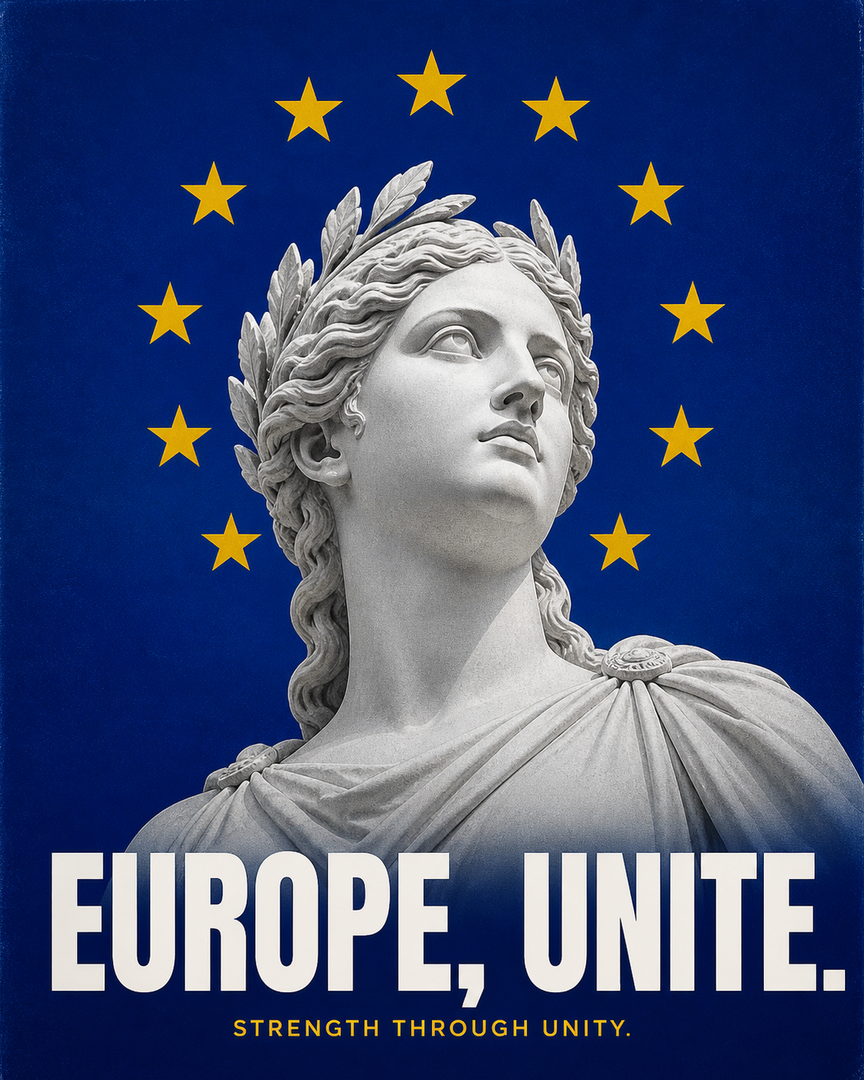
Ladies and gentlemen,
In War Era, every country has its own history, its own interests, and its own difficulties. Croatia is not Germany. Spain is not Poland. France is not Sweden. Each nation has its own citizens, its own economy, its own political life.
But we must be honest: on the world map, we are judged not only by what we are separately, but by what we are able to do together.
Europe has great strength. It has workers, soldiers, companies, markets, resources, and experience. But strength alone is not enough. Strength must be organized. It must be coordinated. It must be used responsibly.
When European countries compete against each other without purpose, we weaken ourselves. We divide our markets. We duplicate our efforts. We fight small struggles while larger powers think in larger terms.
This is not a sensible way to act.
A European Union in War Era would not mean that nations disappear. Croatia would remain Croatia. Germany would remain Germany. Every country would keep its identity, its voice, and its dignity.
But we would make clear decisions together where cooperation gives us an advantage: defense, trade, production, diplomacy, and long-term growth.
A common European strategy would give our businesses larger markets. It would give our soldiers better coordination. It would give our governments greater influence in negotiations. It would make Europe less reactive and more capable.
This is not a romantic idea. It is a practical one.
The world rewards those who organize. It does not wait for those who argue endlessly among themselves.
So the question before us is simple: do we want Europe to remain a collection of separate efforts, or do we want Europe to become a force that others must take seriously?
Unity will not solve every problem. But without unity, many problems will become larger than they need to be.
Europe has the population. Europe has the economy. Europe has the capacity.
Now Europe needs the discipline to act together.