La SENSASSSIONE
NEW BEGINNINGS
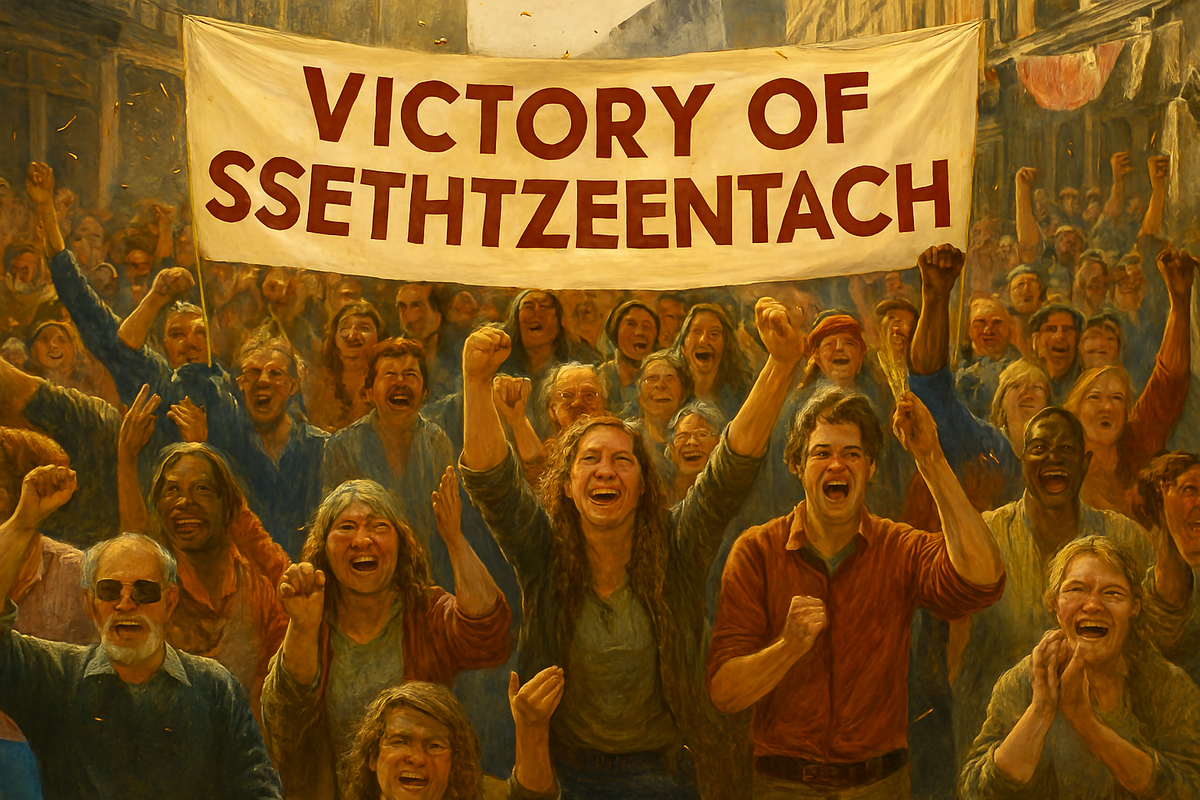
Yesterday marked another pivotal day in Warera’s political landscape, as citizens headed to the polls for the presidential selection. After weeks of campaigning, debates, and anticipation, the results are in: SsethTzeentach remains in power, securing his position for another term.
Across the nation, streets buzzed with activity as citizens processed the outcome. Some celebrated continuity and stability, while others quietly reflected on the missed chance for change. Players and observers alike are now looking ahead, eager to see how the government will steer the country in the coming months.
SENSATION IN AZERBAIJAN
While the election results confirmed the continuation of SsethTzeentach’s leadership, the campaign in the nation of Azerbaijan became the talk of Warera. Many were following xeyalseferovv’s bid for the presidency with high expectations, calling it a potentially historic moment.
Despite the excitement and growing support for xeyalseferovv, the final tally favored the incumbent. Analysts describe the outcome as a narrow victory for SsethTzeentach, proving once again that political stability can sometimes outweigh the allure of sensational change. Citizens’ reactions were mixed: some expressed relief, valuing experience and continuity, while others voiced disappointment at the missed opportunity for reform.
WHAT WAS THE REASON
Political observers and citizens have analyzed why SsethTzeentach has weakened. A key factor appears to be the controversy surrounding Malik, a respected figure who had served as Minister of Defence and later moved to the Ministry of Economics. When Malik temporarily attended military training, SsethTzeentach dismissed him from his government post, sparking debates about leadership decisions and transparency.
Some citizens saw the move as a warning sign of internal strife and potential corruption, while others viewed it as a calculated measure to maintain order and loyalty within the administration. Although dissatisfaction existed among parts of the population, SsethTzeentach’s overall influence, experience, and strategic campaigning ultimately outweighed these concerns, securing his continued presidency.
WHAT WILL HAPPEN
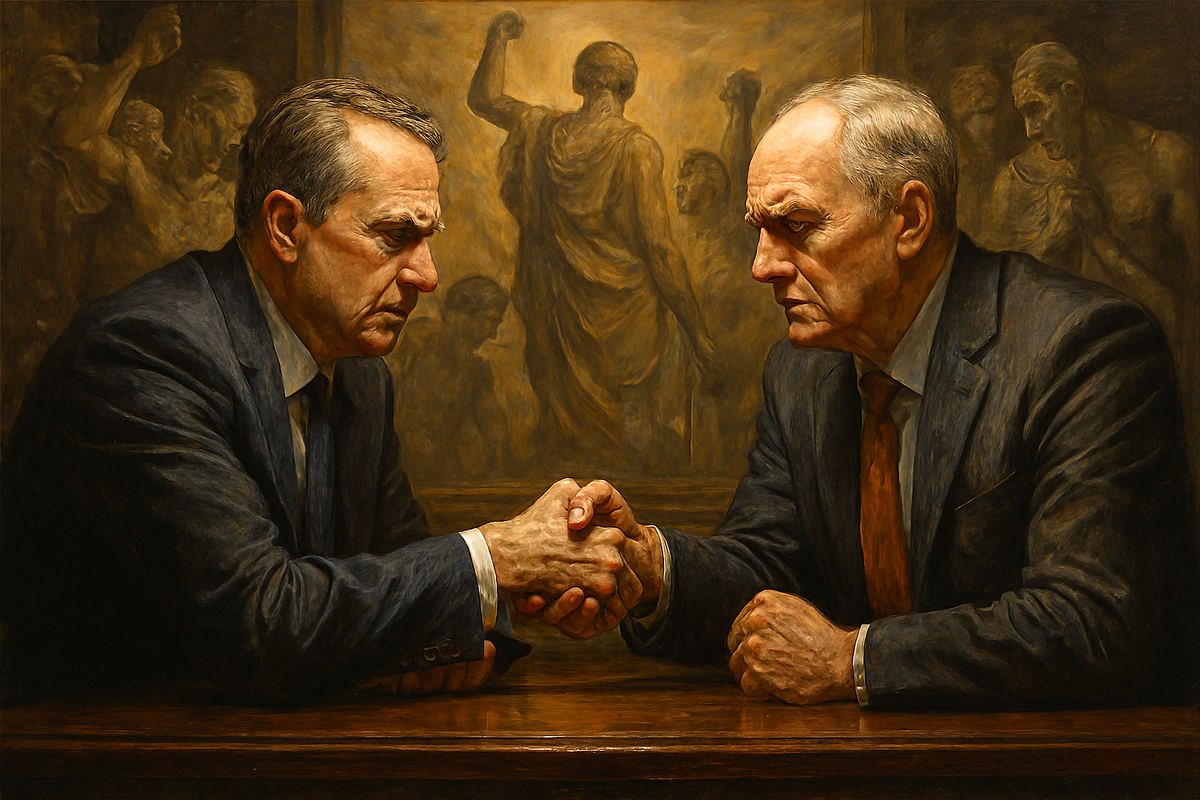
With SsethTzeentach remaining in office, all eyes now turn to the future. The president faces the challenge of maintaining public trust while addressing the concerns raised during the election. Analysts expect a careful balancing act: reforms and policy adjustments may be needed to appease dissatisfied citizens, but the administration will also aim to preserve the stability that contributed to its victory.
As for xeyalseferovv, the former challenger must decide the next move. Will he remain a vocal critic, challenging the government from the sidelines, or will he seek alliances and cooperate with SsethTzeentach to influence policy and maintain relevance in Azerbaijan’s political scene?
Citizens, players, and observers alike wait anxiously. The coming months will reveal whether the nation moves forward with unity, faces political tension, or experiences a mix of both. In Warera, the story of leadership, strategy, and public opinion is never truly over — it evolves with every decision made by those in power.