Nearing a new world war?
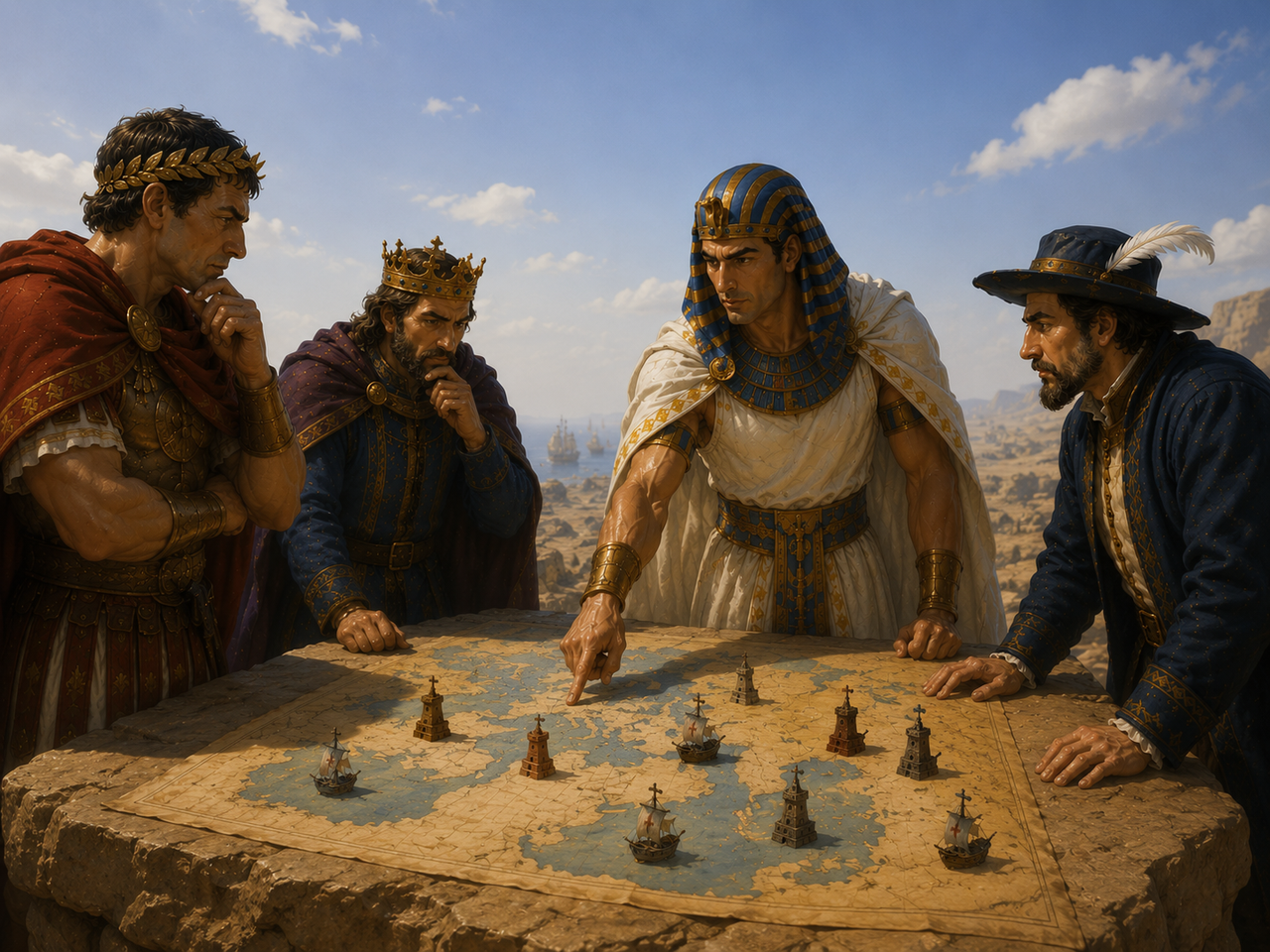
As conflicts escalate across multiple regions, one critical question keeps resurfacing: Is the world moving closer to a new world war, or are today’s events merely regional conflicts within a larger reshaping of the global balance of power?
History shows that major wars do not always begin directly. They are often preceded by periods of tension, economic crises, complex alliances, and struggles for influence. For this reason, many believe that current wars may be more than isolated conflicts—perhaps wars of attrition designed to weaken or remove major powers from the equations of larger future wars.
When examining the current global landscape, it becomes clear that the core of many conflicts is not solely political disagreement, but control over strategic and vital territories, key locations, and resource-rich regions. In this context, the struggle over land becomes part of a broader game to redraw global influence.
Some wars may appear to be wars of exhaustion, but they may also serve as preparation for redistributing control over the world’s most important geopolitical points. However, there is a major difference between global tension and world war; the existence of mutual deterrence pushes major powers to manage conflict more through proxies, sanctions, and pressure rather than direct confrontation.
The real question is not simply: Is another world war coming?
But rather: Can the current international system contain this volume of conflict without a larger explosion?
So far, the world appears to be in a prolonged phase of struggle over influence rather than a traditional global war. Yet it remains an extremely sensitive period. History proves that the struggle over land has never truly ended… only its methods have changed.
In the end, the world may not necessarily be destined for a new world war, but it is undoubtedly living through a period of deep international tension, where maps of influence are being carefully redrawn… and the real question remains: Will this be shaped through politics, or through the fire of a greater conflict?