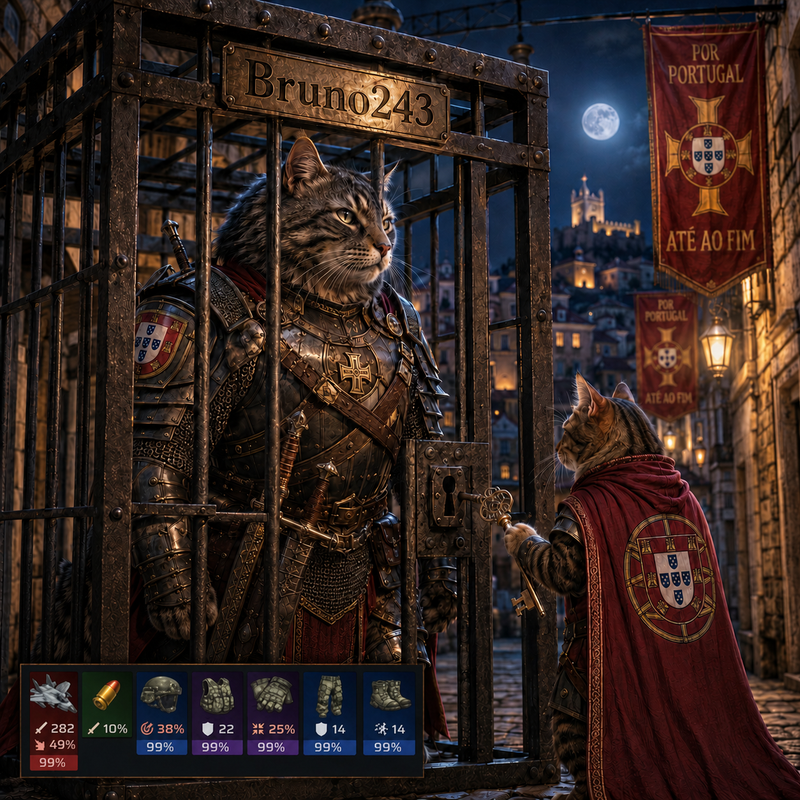
Reconquista 2026
Spain has confirmed the full recapture of Castilla-La Mancha and Andalusia, marking the most significant reversal yet against Moroccan control in Iberia and giving renewed weight to a phrase now spreading through military circles with deliberate historical force: the New Reconquista.
The Spanish campaign, launched with unusual coordination and an even more unusual confidence from high command, moved first through Castilla-La Mancha, where Moroccan defensive positions were broken after sustained pressure from Spanish units advancing across the central plains. Officials in Madrid described the operation as “a restoration of national territory.” Field officers, less ceremonial in tone, called it “taking back what had been left under the wrong flag for too long.”
The southern offensive into Andalusia followed shortly after. Spanish forces pushed through contested roads, towns, and supply routes, forcing Moroccan units into retreat and securing the region after days of fighting. By the end of the operation, Spanish banners had returned to both regions, and the government declared the campaign a turning point for the peninsula.
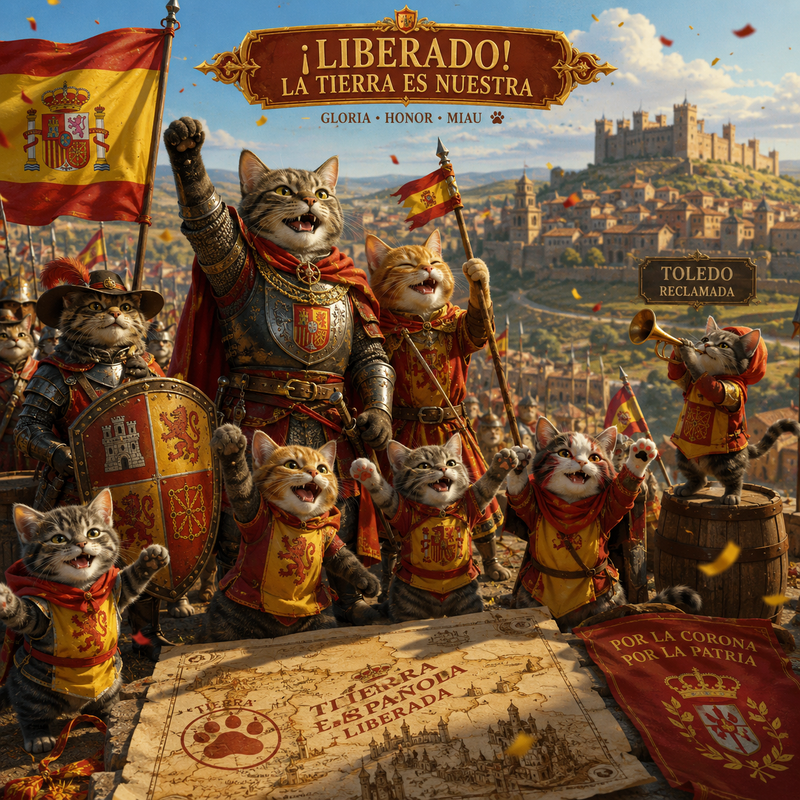
Moroccan command has described the losses as “temporary battlefield adjustments,” a phrase now widely understood to mean that the map has become inconvenient.
But Spain’s success has already shifted attention west.
Portugal has not waited for speeches, ceremonies, or the approval of cautious men with polished boots. Portuguese forces have already initiated their offensive toward Lisbon, opening a new front against Moroccan control of the capital. Reports from the Tagus line indicate that Portuguese units have begun probing defensive positions, testing river approaches, and preparing for what many now consider the next decisive chapter of the New Reconquista.
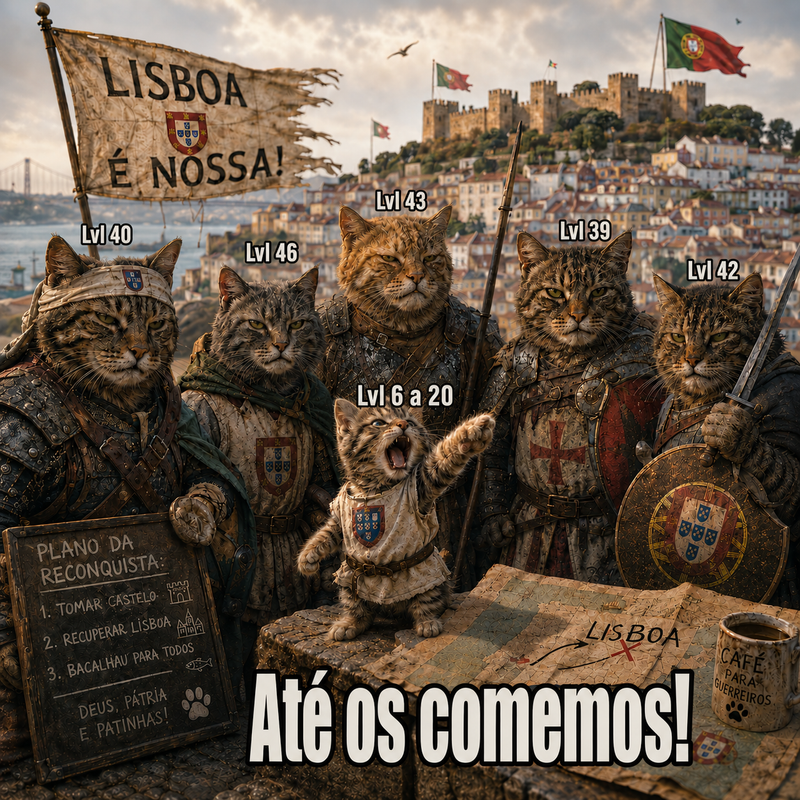
Lisbon, still under Moroccan domain, has become more than a military objective. It is now a symbol: the occupied capital, the unfinished sentence, the city every Portuguese carefully avoids calling “lost” and instead describes as “temporarily awaiting correction.”
A Portuguese officer near the front stated, “Spain has reclaimed its heartland. Portugal has begun the road to Lisbon. History is not repeating itself, but it does appear to be checking old notes.”
Moroccan forces in and around Lisbon are reportedly reinforcing defensive lines, aware that the fall of Castilla-La Mancha and Andalusia has changed the mood across Iberia. What was once seen as isolated resistance is now being framed as a coordinated historical reversal.
The phrase New Reconquista has already appeared on recruitment posters, military dispatches, and the lips of officers who seem rather pleased to have found a title dramatic enough for the situation.
For Spain, the campaign has delivered territory and momentum. For Portugal, it has provided something perhaps more dangerous: proof that the occupation can be rolled back.
The offensive on Lisbon is still in its early stages, and no official timeline has been given for the liberation of the city. Portuguese command remains careful in public, insisting that the operation will proceed “with patience, discipline, and national resolve.”
Privately, however, there are whispers of another option.
Should the battle for Lisbon demand more than ordinary force, sources suggest Portugal may be prepared to unveil a classified asset long kept out of public view.
No details have been confirmed.
Only one phrase has appeared in the margins of a leaked operational note:
“If necessary, release the secret weapon.”