Sweden Burns, But the War Continues
The fall of Stockholm marks the darkest chapter of the war so far. After relentless fighting across central Sweden, Dutch occupation forces now control both Uppland and the capital region. Government buildings stand under foreign banners, military checkpoints dominate major roads, and long columns of civilians continue fleeing southward through smoke-filled highways.
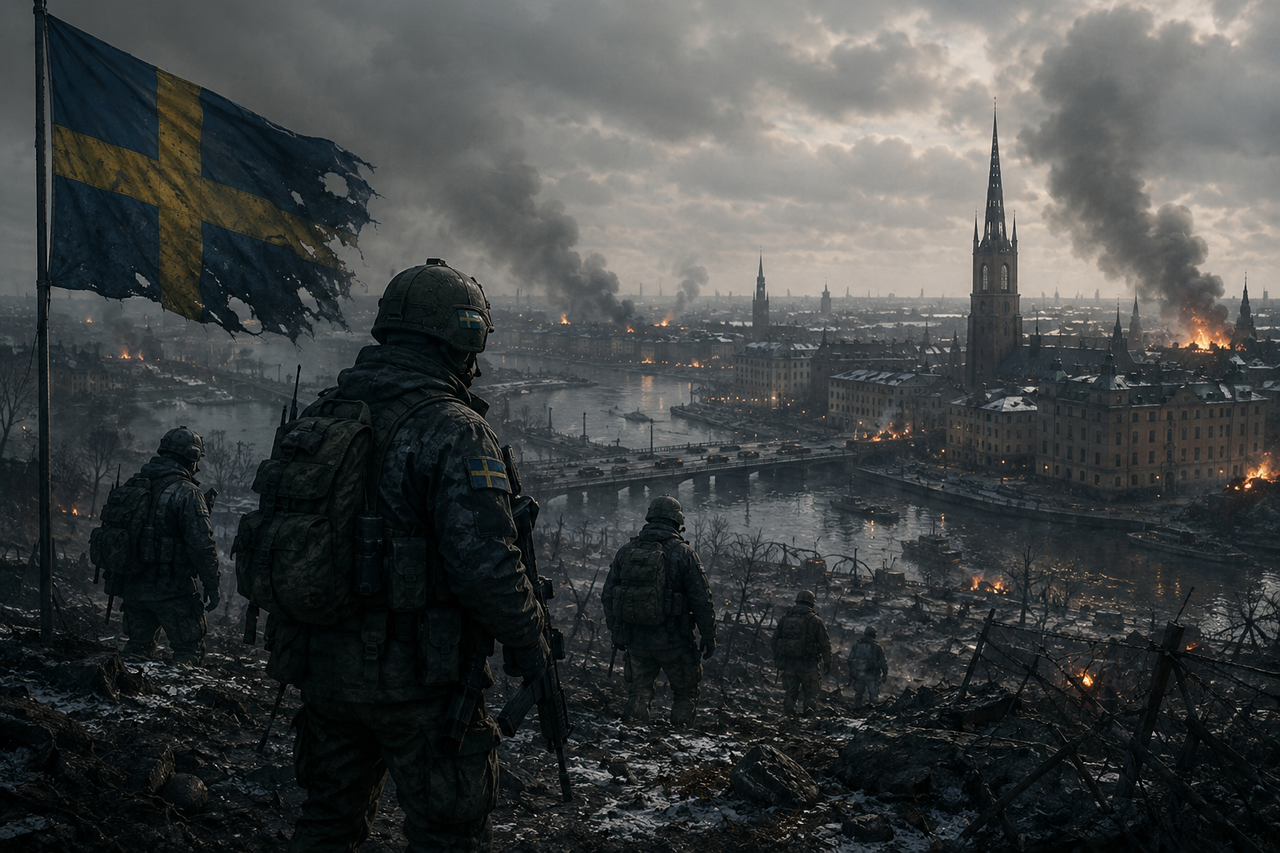
Stockholm is burning.
But while the Netherlands may claim victory on the map, it came at an extraordinary price.
Military analysts describe the campaign as one of the bloodiest operations carried out by Dutch forces in modern European warfare. Swedish defenders turned cities, forests, railways, and frozen countryside into grinding battlefields. Entire armored columns were reportedly destroyed outside Uppsala, while urban combat inside Stockholm forced Dutch troops into brutal street-by-street advances.
What was expected to be a swift collapse instead became a war of attrition.
Dutch commanders eventually overwhelmed Swedish positions through sheer economic and material superiority. Endless supply convoys, mercenary formations, and allied auxiliary units continued pouring into occupied territory even as casualties mounted. According to several reports from the front, some Dutch-led formations suffered catastrophic losses securing strategic bridges and transport corridors north of the capital.
“Territory can be occupied. A nation cannot.”
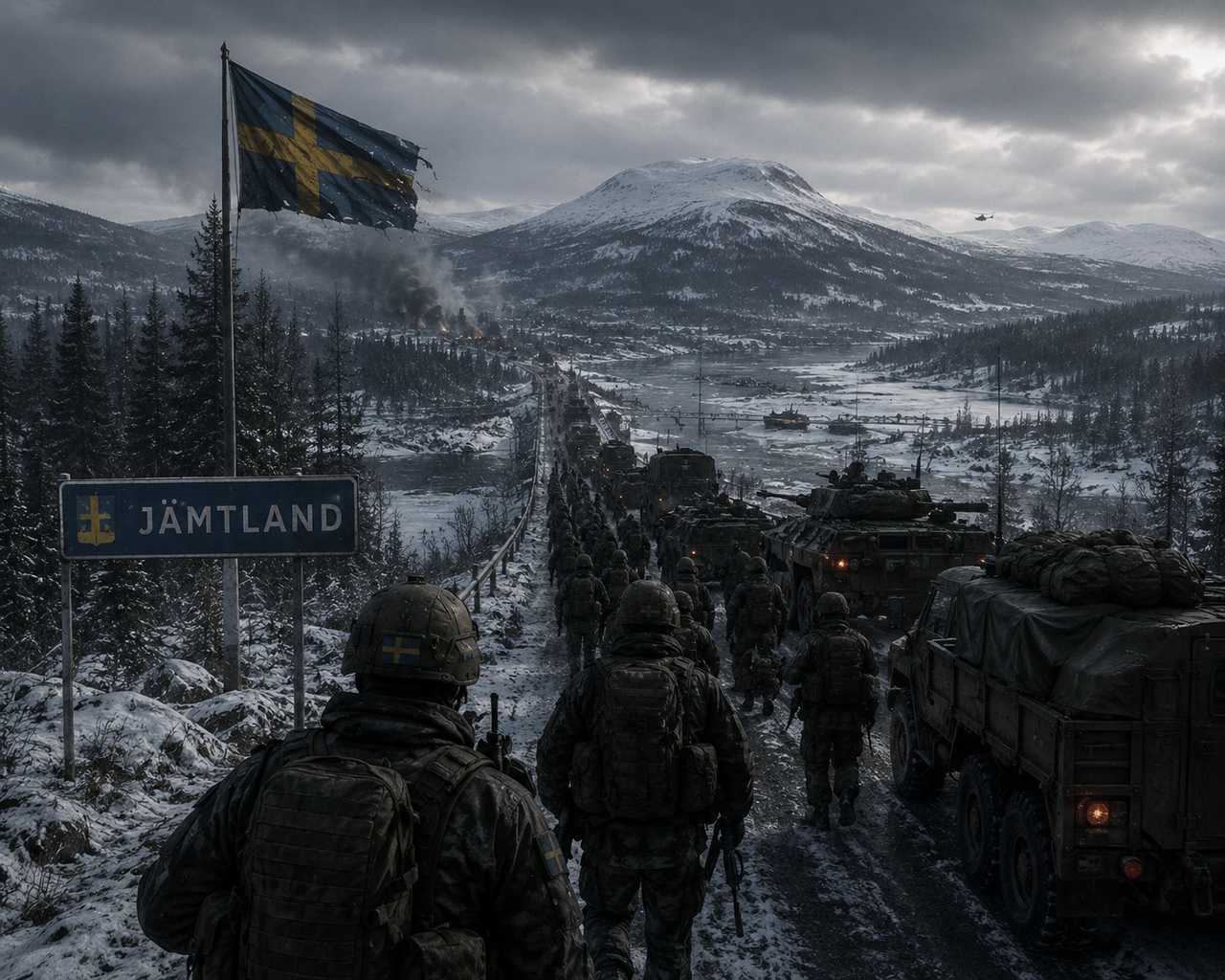
Armed forces in the region of Jämtland.
The Swedish Armed Forces have now withdrawn toward new defensive zones in Småland and Jämtland. Officials insist the retreat was planned long before Stockholm fell. Military engineers reportedly destroyed infrastructure behind retreating forces, slowing the enemy advance deeper into the country.
“This is not the end of Sweden,” a senior officer declared during an emergency wartime broadcast transmitted from southern command headquarters. “Territory can be occupied. A nation cannot.”
In Småland, defensive fortifications are already expanding around forests, rail junctions, and supply depots. Meanwhile, in the mountainous north, Jämtland is rapidly transforming into a hardened military region. Convoys carrying ammunition, fuel, and artillery continue moving through isolated roads under constant threat of enemy aircraft.
Military experts warn that time may no longer favor the defenders.
Yet beneath the speeches and patriotic broadcasts, the reality facing Sweden is becoming increasingly severe.
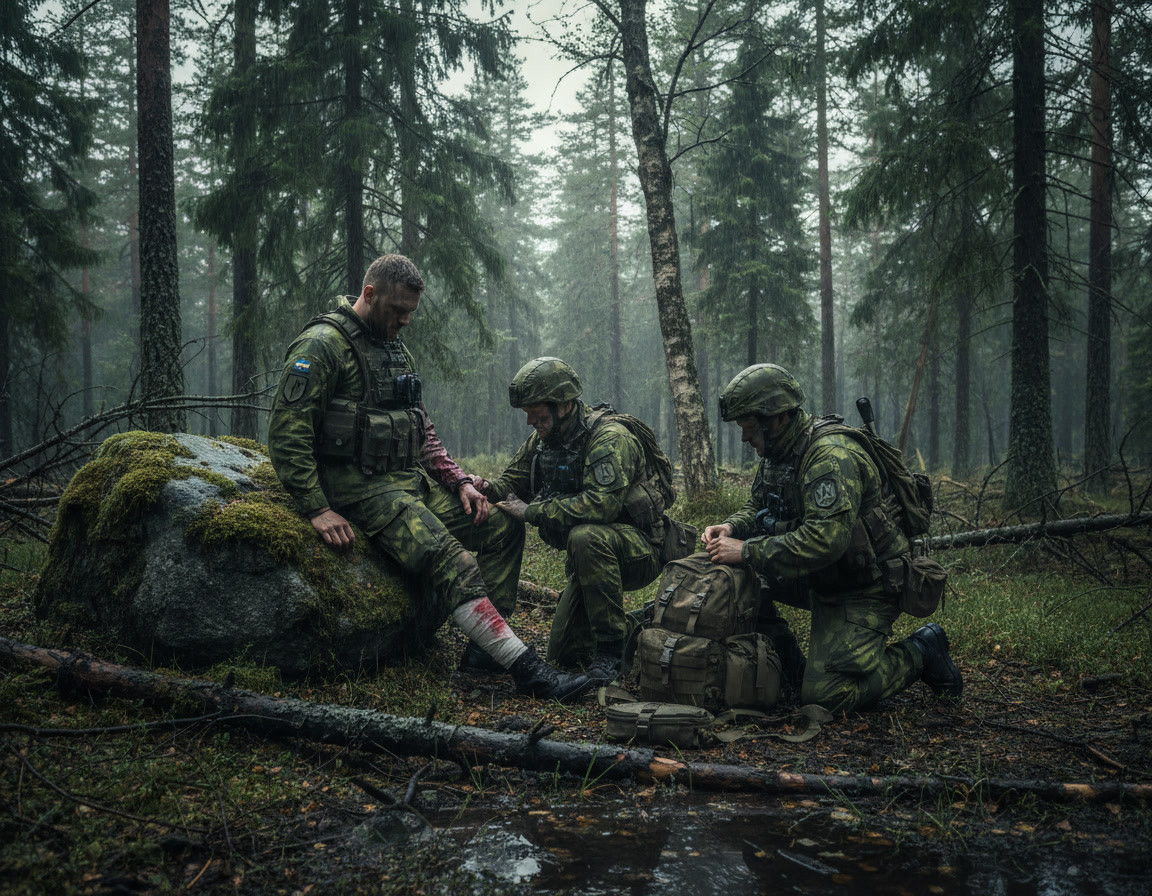
The country has lost its capital. Millions now live under occupation. Supply shortages are spreading across the remaining free territories, while exhausted Swedish units continue retreating southward after months of near-constant combat. Air superiority largely belongs to the Dutch coalition, and each passing week strains Sweden’s shrinking industrial capacity further.
Military experts warn that time may no longer favor the defenders.
Night after night, refugees move through darkened roads beneath burning skies, carrying whatever remains of their homes. In occupied Stockholm, church bells no longer ring freely. Government halls stand silent under foreign control. Entire districts bear the scars of artillery and fire.
Sweden still fights. But for the first time since the war began, many now openly wonder not whether the nation can resist — but how much longer it can survive.
SUPPORT SWEDEN
Every contribution to this article goes directly to the Swedish war fund.