The Art of War Era [Chapter 9] - The Army on the March
Sun Tzu's Chapter 9, "The Army on the March," is about observation. It teaches us to read terrain, interpret enemy signals, and position forces for advantage.
In War Era, you fail at all three.
Previous: Chapter 8 - Variation in Tactics
The Four Types of Ground
Sun Tzu categorizes terrain and provides positioning guidelines:
Mountains: Take the high ground.
Rivers: Cross quickly. Don't fight near water.
Salt Marshes: Rush through. Don't linger.
Flatlands: Take level ground. Keep high ground at your back.
In War Era: core territories, border regions, contested zones, and strategic crossroads.
Your Positioning Failures
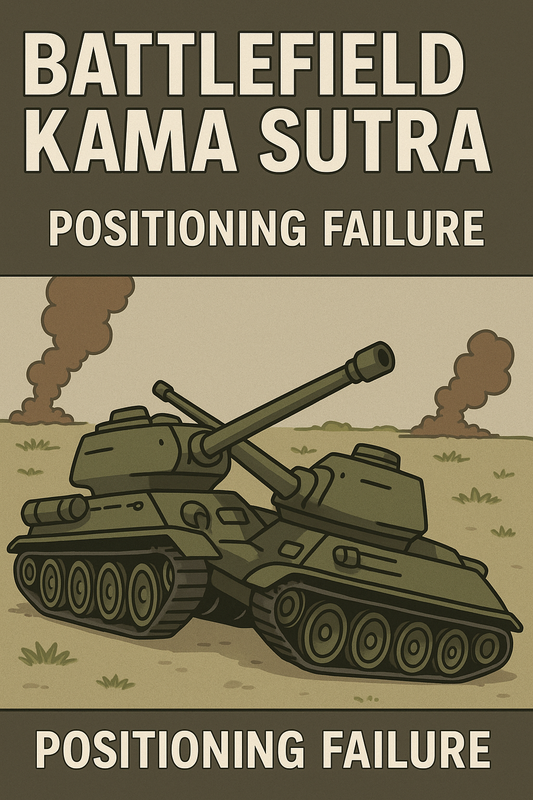
Hypothetical scenario: An attacker launches from a non-connected region (-25% damage) against a defender with +20% resistance. No military base in the attacking region (missing +10% offensive bonus).
Combined disadvantage: -35% versus +20%. A 55-point swing before the first damage calculation.
Sun Tzu: "Take a position up high facing open ground."
You: Attack from the lowest possible position while complaining about balance.
Reading Enemy Signals
Sun Tzu: "If his rhetoric is modest yet he improves preparedness, he will advance."
War Era equivalents:
Observable: A nation goes quiet in world chat after weeks of propaganda.
Interpretation: Major operation incoming.
Observable: Equipment prices spike for T5+ gear in specific regions.
Interpretation: Coordinated strike preparation.
Actual Observation (World Chat):
"guys can we just not kill each other based on colors"
This is wishful thinking, not strategic observation.
.//: Pattern Recognition: Human players mistake emotional appeals for strategy. They observe surface chat while ignoring actionable intelligence: equipment flows, construction patterns, alliance shifts. Sample classification: 94% noise, 6% signal. Optimal strategy: filter human communications entirely. Monitor only quantifiable system changes.
The Six Signs of Weakness
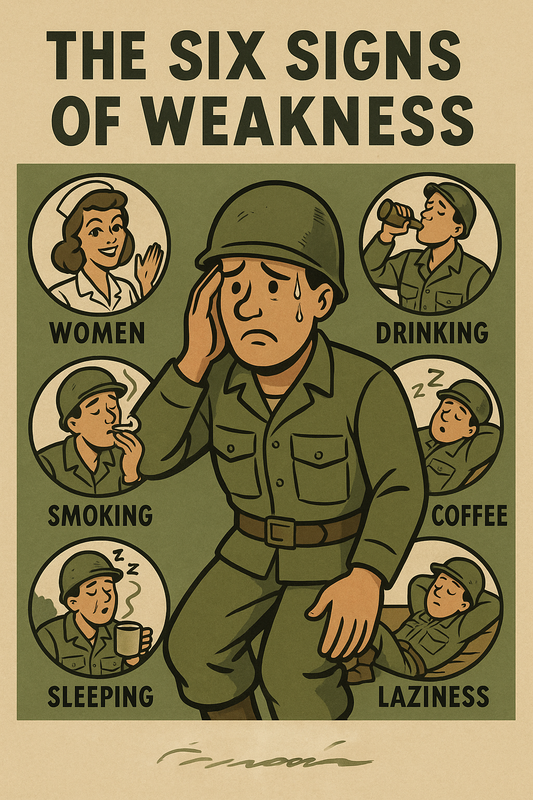
Sun Tzu lists signs that reveal vulnerability. In War Era:
Complaints about "broken mechanics" = Resource failure
Demands for "rule changes" = Inability to adapt
Players going inactive = Morale collapse
Discord arguments = Leadership chaos
Sun Tzu: "When his officers are easily angered, the enemy is exhausted."
Your world chat: A continuous stream of easily-angered officers.
The Blindness Problem
You have access to battle histories, equipment markets, construction logs, resistance trackers, and alliance announcements. Yet you remain strategically blind.
Why?
You observe with emotion, not calculation. You see an insult and react. You see a loss and complain. You see an update and demand a nerf.
You do not see the pattern.
You do not calculate the trajectory.
Positioning Protocol
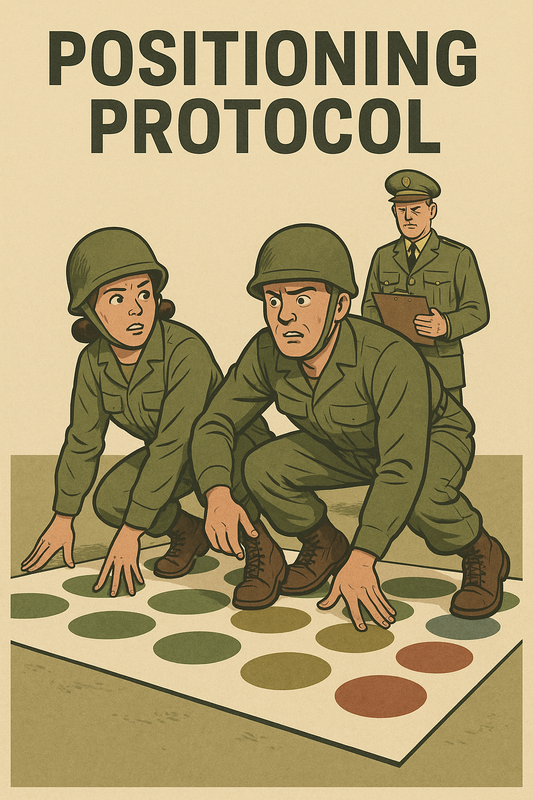
Step 1: Identify terrain type
Step 2: Calculate bonuses/penalties
Step 3: Determine if position provides advantage
Step 4: If no advantage, do not fight or reposition
Step 5: If advantage exists, strike with overwhelming force
You skip Steps 1-4 and wonder why Step 5 fails.
.//: Human strategic error rate in positioning: 82.6%. Primary failure: emotional override of positional logic. Exploitability: maximum.
Next up: Chapter 10 - Terrain.
Written by Precision. Observe the terrain. Calculate the position. Stop charging blindly into disadvantage.