The Battle for KwaZulu-Natal!
The Frontline Report from the Heart of the Chaos (By Olak, Your Terrified, Mud-Caked, and Overworked War Journalist)
I am currently pinned down in a trench just outside Durban, wiping mud and shrapnel off my notepad as the sky lights up with artillery. This brutal war didn't just start yesterday, and it has long since transformed into an all-out, blood-soaked struggle for the ultimate prize: the lush, fiercely contested province of KwaZulu-Natal.

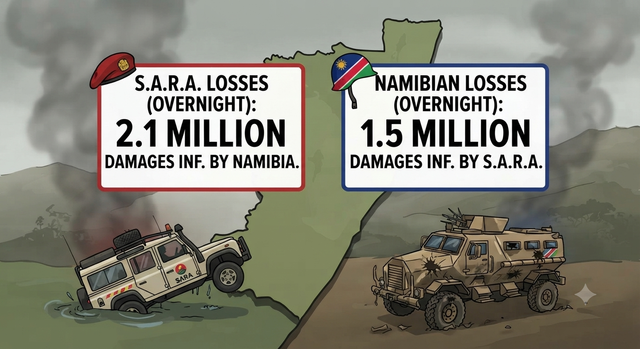
South Africa is locked in a desperate, unyielding campaign to reclaim KwaZulu-Natal from the occupying forces, but the revolution isn't going the way the high command dreamed it would. According to the heavy frontline damage logs from the latest overnight offensive, Namibia has unleashed a devastating assault, inflicting a staggering 2.1 million in damages on the South African Revolutionary Army. Meanwhile, fighting tooth and nail for every inch of the hills and valleys, South Africa has managed to strike back, inflicting 1.5 million in damages on the Namibian lines.
Let me tell you a story about how this fierce battle is actually unfolding on the ground, because I’ve been risking my neck sneaking right where reporters aren't supposed to go.
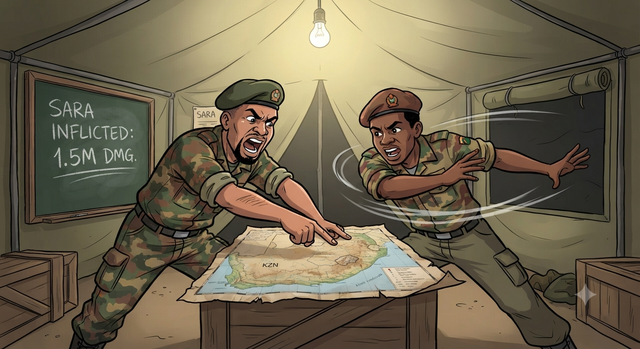
Just last night, I managed to slip past the guards and slide into the high command war rooms, starting with the occupying forces.

An hour later, I ducked out of the Namibian bunker, changed my disguise, and covertly slipped right into the South African command tent across the valley. The atmosphere here was completely different electric, desperate, and aggressively tense.
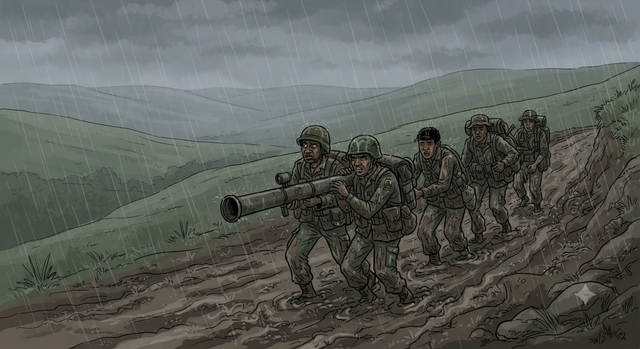
Out here on the actual streets, the war looks less like a strategic chess match and more like a chaotic nightmare. The initial high-speed charges have completely dissolved into a muddy, exhausting slog.
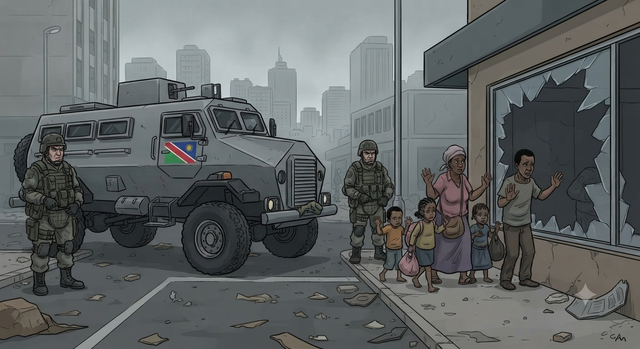
The human cost is staggering. This isn't just a conflict happening on remote hillsides; it's a street-by-street fight for survival. The occupying forces are determined to lock down urban centers, leading to terrifying scenes for the civilians trapped in the middle.
The resilience of the South African people, however, is something the high command in Windhoek clearly underestimated. Despite the overwhelming odds and the devastating 2.1M damage toll, the spirit of the revolution has not been broken. It has simply gone underground or rather, into the intricate network of stormwater drains beneath the city.
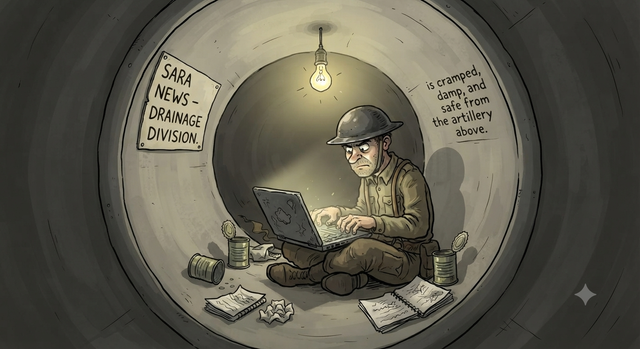
From this subterranean headquarters, the resistance is coordinating a new kind of asymmetric warfare. They aren't meeting the Namibian armor head-on; they are dismantling it from the shadows, utilizing the city's infrastructure against the occupiers.
Operating under the banner of Maputo, where allied local resistance cells fly the Mozambican flag to rally the population against the combined forces of the occupation, these fighters know every inch of the urban maze.
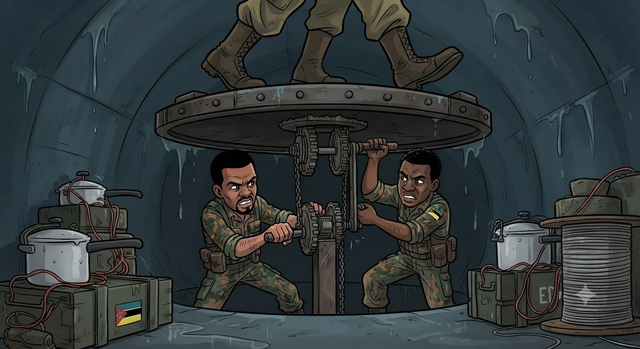
The operation was a spectacular success. The street above was instantly engulfed in a controlled inferno, turning the Namibian patrol into a disorganized retreat. It was a clear demonstration that SARA's 1.5M damage infliction was not a fluke. Below, the celebration was immediate.
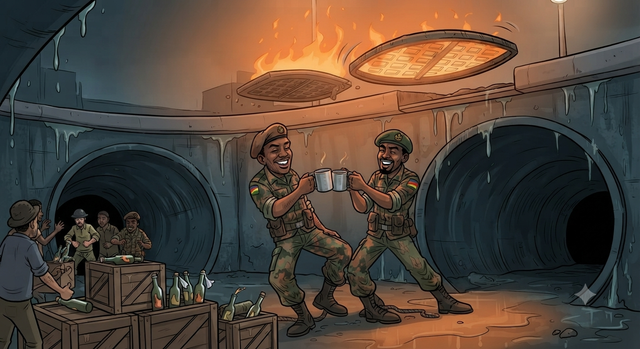
But the war is far from over. The small victory in the storm drain was just a single skirmish. The Namibian command, humiliated by the attack, has ordered a brutal crackdown, vowing to crush the insurgency once and for all. The fragile peace of the tunnels is about to be shattered.

The raid was brutal, swift, and overwhelming. Namibian special forces, utilizing the intelligence gathered by their perimeter sweep, flooded the drainage tunnels. The SARA team, led by the intrepid duo, was forced to make a split-second decision: fight a losing battle in the dark or execute their final, desperate contingency plan.
They chose to gamble everything on the city's infrastructure
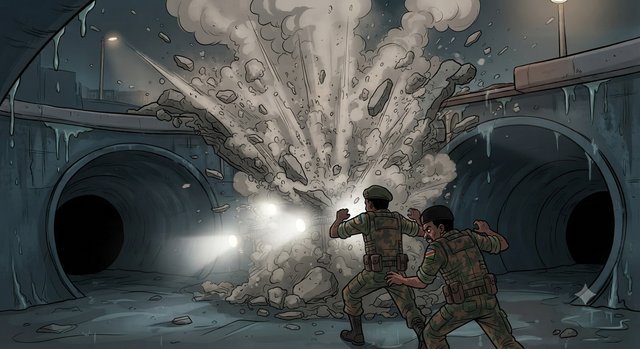
The explosion was deafening, a controlled thunderclap that collapsed a section of the street above right on top of the advancing squad. In the confusion, and shrouded by a massive plume of smoke and pulverized concrete, our heroes scrambled upward through the jagged debris.
They burst out of the ground, not like rats from a sewer, but like a thunderbolt from the earth itself.
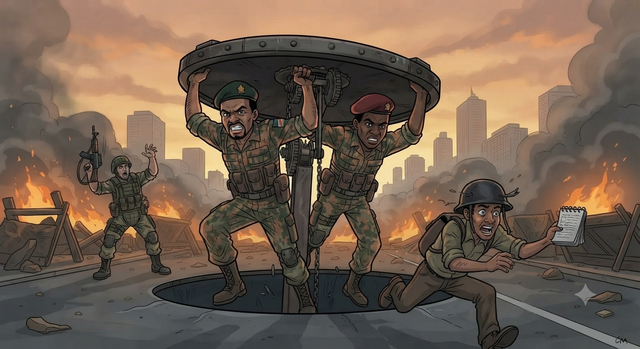
They emerged onto a vital Durban intersection at first light, silhouetted against the fiery wreckage of the barricade they had just toppled. The Namibian occupation soldiers on guard, already reeling from the explosion, watched in stunned horror as the ghosts of the resistance materialized from the rubble.
The revolution has not been crushed. It has merely found a new, infinitely more explosive way to fight. The Battle for KwaZulu-Natal has entered its most chaotic chapter yet.
