The G6 Rhino – South Africa’s Long-Range Artillery Legend
The G6 Rhino is one of the most respected self-propelled artillery systems ever built. Designed in South Africa during the height of the Cold War and the South African Border War, the G6 became famous for its extraordinary firing range, rugged mobility, and devastating firepower.
At the time of its introduction, the G6 was unlike almost anything else in the world. It combined the hitting power of a heavy 155 mm artillery gun with the speed and mobility of a wheeled armoured vehicle, perfectly adapted for African warfare.
The G6 earned an international reputation for being accurate, reliable, and capable of delivering long-range fire support under harsh battlefield conditions. Even decades later, military analysts still regard it as one of the finest wheeled self-propelled howitzers ever produced.
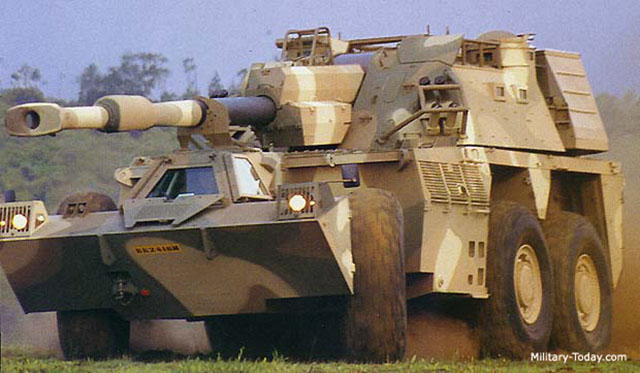
Origins – Why the G6 Was Developed
The G6 was born from South Africa’s unique military challenges during the 1970s and 1980s.
During the South African Border War, South African forces often operated across enormous distances in:
Angola
Namibia/South West Africa
Remote bush environments with little infrastructure
Traditional tracked artillery systems used by NATO and Warsaw Pact armies were designed mainly for Europe. In Southern Africa, those systems faced major disadvantages:
High fuel consumption
Difficult maintenance
Poor long-range road mobility
Reduced reliability in dusty and hot environments
At the same time, South African artillery forces needed a weapon capable of:
Out-ranging Soviet artillery supplied to Angola
Rapid “shoot-and-scoot” tactics
Operating independently for long periods
Surviving mine threats
Moving quickly across rough African terrain
South Africa’s arms embargo also forced the country to develop its own advanced military technology locally.
The G6 was developed by ARMSCOR and built by Lyttelton Engineering Works (later Denel Land Systems). Development began during the late 1970s, with the system officially entering service in the late 1980s.
The vehicle was based heavily around the successful G5 155 mm towed howitzer, which had already proven itself during combat operations in Angola.
The result was the G6 Rhino, a massive, heavily armed wheeled artillery vehicle capable of delivering devastating long-range fire while remaining highly mobile.
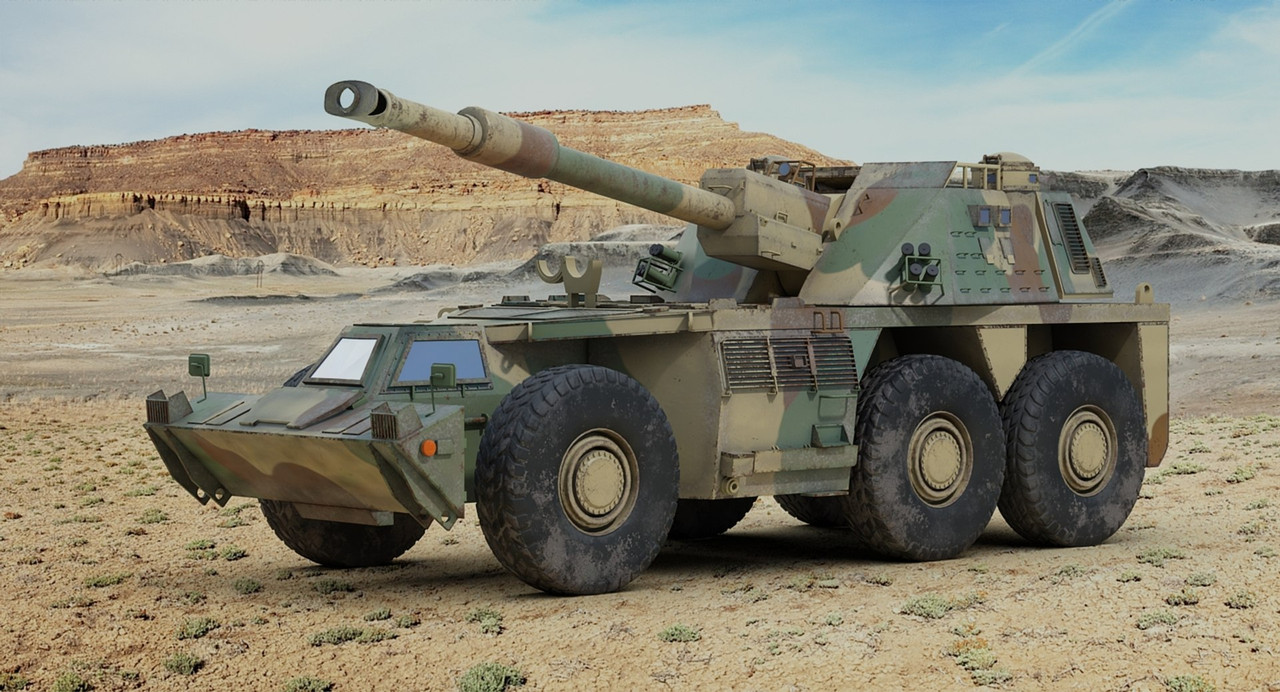
Why the G6 Was Revolutionary
When the G6 entered service, it shocked military observers worldwide.
At the time:
Most self-propelled artillery systems used tracks
Wheeled artillery vehicles were generally lighter and less powerful
Few systems combined heavy armour, long-range artillery, and wheeled mobility effectively
The G6 changed that completely.
It became:
One of the world’s first heavily armed wheeled self-propelled howitzers
One of the longest-range artillery systems of its era
A pioneer of modern wheeled artillery doctrine
Its performance demonstrated that wheeled artillery could successfully compete with tracked systems in mobility, survivability, and firepower.
Design and Layout
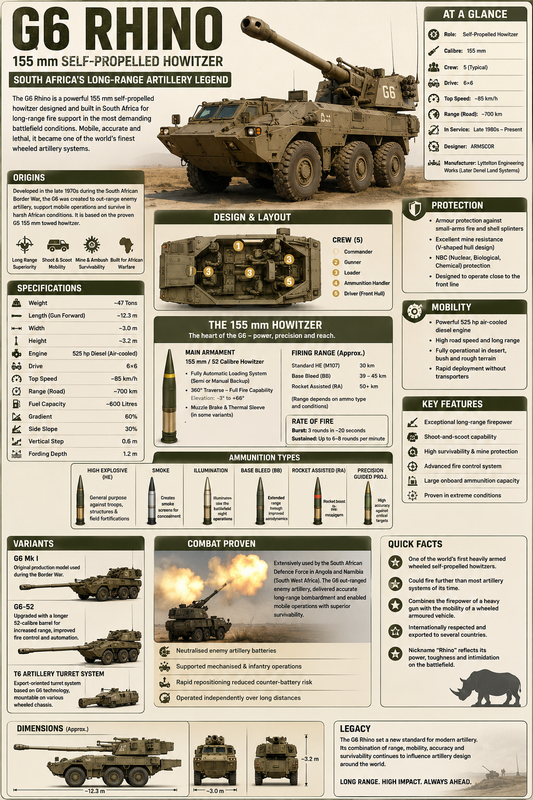
The G6 is an enormous six-wheeled armoured vehicle built around a fully rotating turret carrying a 155 mm howitzer.
Crew
The standard crew usually consisted of:
Commander
Driver
Gunner
Loader
Ammunition handlers
Depending on operational requirements, crew size could vary slightly.
The driver sat in a protected front compartment, while the turret and ammunition systems occupied the rear.
Armour and Protection
One of the G6’s most impressive features was its survivability.
Unlike many artillery vehicles of its era, the G6 was designed to operate close to frontline combat zones.
Protection included:
Armour against small-arms fire
Shell splinter protection
Significant mine resistance
NBC (Nuclear, Biological, Chemical) protection systems
The hull was specially shaped to survive mine blasts, an essential feature during the Border War, where landmines posed a constant danger.
The G6’s mine-resistant design reflected South Africa’s extensive experience with mine warfare in Southern Africa.
Engine and Mobility
The G6 was powered by an air-cooled diesel engine producing roughly 525 horsepower.
Performance figures included:
SpecificationG6 RhinoTop speed~85 km/hOperational range~700 kmWeight~47 tonsDrive6×6Main weapon155 mm howitzer
Despite its enormous size, the G6 was remarkably mobile.
It could:
Travel long distances on roads without transporters
Operate effectively in desert and bush terrain
Rapidly reposition after firing
Cross rough terrain surprisingly well for its weight
This mobility became one of its greatest battlefield advantages.
The 155 mm Howitzer – The Heart of the Beast
The defining feature of the G6 is its powerful 155 mm gun.
The system was based on South Africa’s G5 artillery program and used NATO-standard 155 mm ammunition.
The gun could fire several types of ammunition, including:
High explosive (HE)
Smoke rounds
Illumination rounds
Cargo/projectile-assisted rounds
Base bleed ammunition
Precision-guided projectiles (later variants)
The G6 became famous for its exceptional firing range.
Depending on ammunition type:
Standard rounds could reach roughly 30 km
Base bleed ammunition extended range significantly
Rocket-assisted projectiles pushed range even further
Some later versions exceeded 50 km in range, extraordinary for the era.
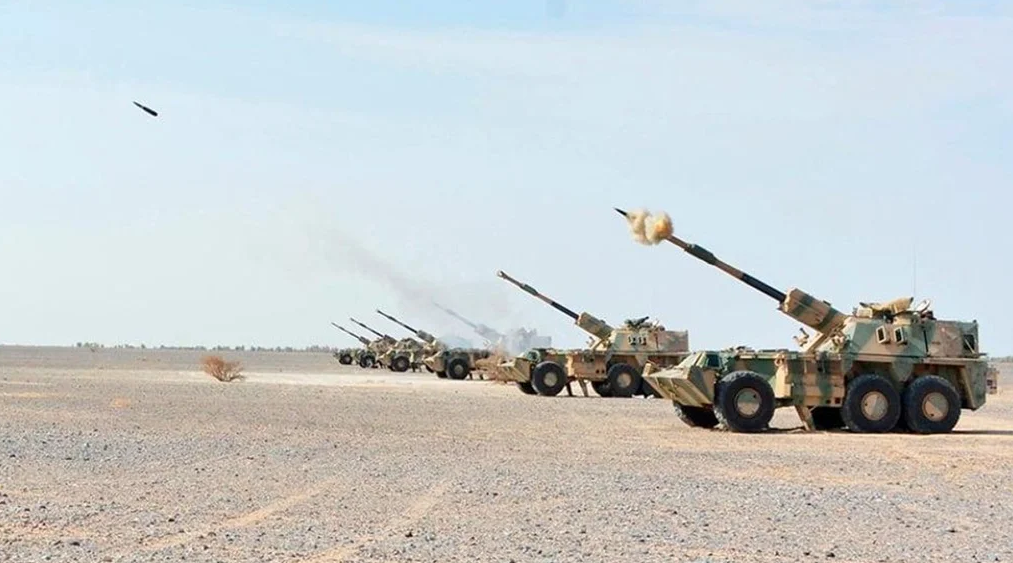
Rate of Fire
The G6 was capable of impressive sustained firepower.
Approximate firing rates:
Burst fire: 3 rounds in around 20 seconds
Sustained fire: several rounds per minute
The vehicle carried onboard ammunition storage, allowing crews to fire rapidly without immediate resupply.
This gave South African artillery units the ability to deliver devastating concentrated bombardments and then relocate before enemy counter-battery fire arrived.
Combat During the Border War
The G6 became one of South Africa’s most feared artillery systems during the Border War.
It was used extensively in Angola against:
FAPLA forces
Cuban troops
Soviet-supplied artillery systems
The G6’s long range often allowed South African forces to:
Strike enemy artillery before being hit themselves
Support mechanised operations from long distances
Conduct rapid artillery repositioning
Maintain artillery superiority in mobile warfare
Its ability to “shoot and scoot” became extremely valuable.
After firing, the G6 could rapidly move position before enemy counter-battery radar and return fire could target it.
This increased survivability dramatically compared to traditional static artillery.
Variants of the G6
G6 Mk I
The original production model used during the Border War era.
G6-52
A significantly upgraded version featuring:
Longer 52-calibre barrel
Increased range
Improved fire control systems
Enhanced automation
The G6-52 became one of the most advanced artillery systems in the world.
T6 Artillery Turret System
An export-oriented turret system derived from the G6 program, capable of being mounted on different chassis.
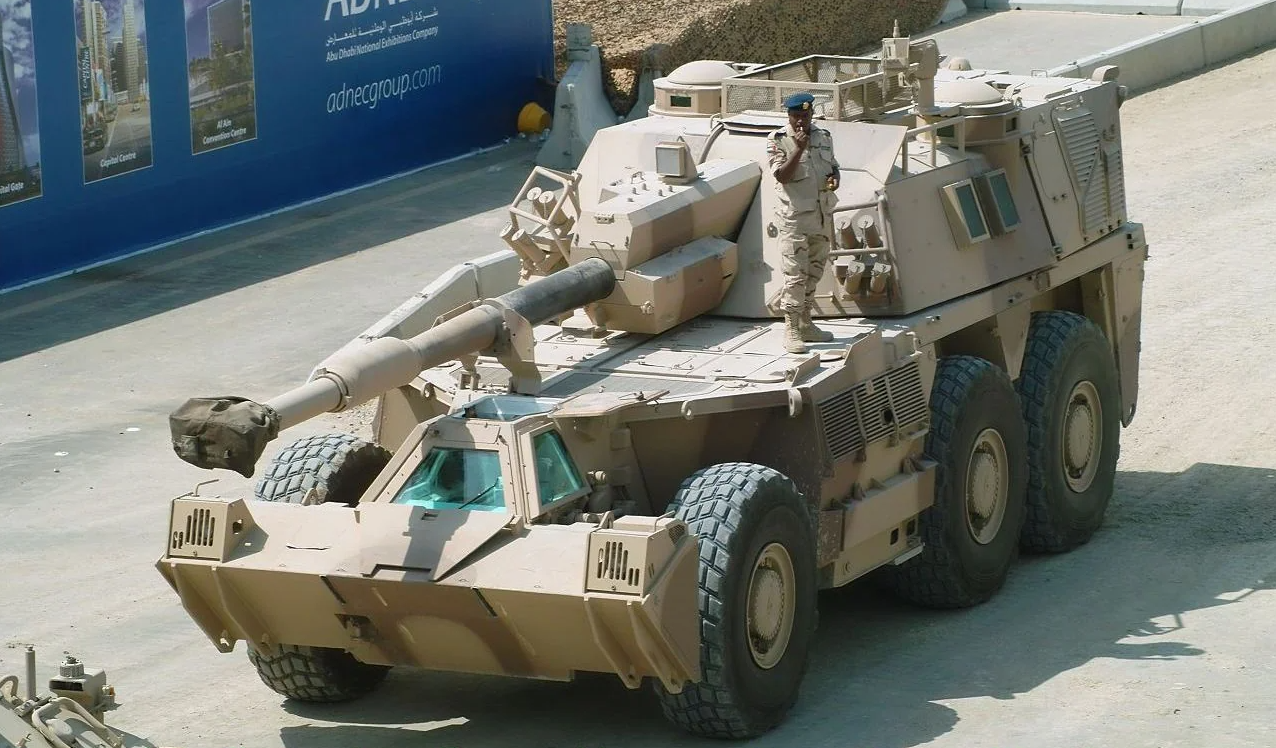
Why the G6 Became Legendary
1. Incredible Range
The G6’s firing range was exceptional for its time.
In many cases, it could strike enemy artillery while remaining outside return-fire range.
This gave South African artillery a major tactical advantage.
2. Wheeled Mobility
Unlike tracked artillery systems, the G6 could travel long distances quickly without requiring heavy transporters.
This was ideal for African operational conditions.
3. Survivability
Its armour and mine-resistant design made it unusually survivable for a self-propelled gun.
4. Accuracy and Firepower
The G6 delivered highly accurate long-range bombardment with devastating effects.
Its 155 mm shells could destroy:
Infantry positions
Bunkers
Artillery batteries
Light armoured vehicles
Logistics sites
Interesting Facts About the G6
It Was Built for African Warfare
The G6 was designed specifically for Southern African conditions, long distances, rough terrain, and mobile warfare.
It Helped Change Global Artillery Doctrine
The success of the G6 helped prove that wheeled artillery systems could rival tracked vehicles.
Today, many modern armies use wheeled self-propelled guns inspired by similar concepts.
It Could Fire and Move Quickly
The “shoot-and-scoot” capability dramatically increased survival rates on modern battlefields.
It Was Feared During the Border War
Opposing forces respected the G6 because of its range, accuracy, and ability to strike unexpectedly.
It Became an Export Success
The G6 attracted international interest and was exported to several countries.
Its reputation spread far beyond Southern Africa.
Legacy
The G6 Rhino remains one of South Africa’s greatest military engineering achievements.
It symbolised:
Innovation under sanctions
Adaptation to African warfare
Long-range artillery superiority
Mechanised mobility combined with heavy firepower
Even decades after its introduction, the G6 is still considered one of the most effective wheeled artillery systems ever designed.
In the history of modern artillery, the G6 Rhino earned its place as one of the true giants of long-range battlefield firepower.