The Great Expansion: Navigating the Deflationary Market
TL;DR: The rapid expansion of the construction sector has cooled down wages and triggered market deflation, a trend that will likely persist until massive wars drive up demand for military supplies and bring inflation back.
Let’s start with everyone's favorite topic: salaries. Just a month ago, the community was sounding the alarm over skyrocketing wages, fearing an uncontrollable inflation loop. However, the market has spoken, and the situation has noticeably cooled down.

As the chart clearly illustrates, the wage peak has shifted. A month ago, the most common wage peaked sharply at around 0.14 coins. Today, that peak has shifted to the left, settling at roughly 0.135 coins. The panic is over, and wages have stabilized.
But what is happening behind the scenes to drive this economy? Let’s look at the bigger picture.
The past month has been defined by massive baby booms and rapid industrialization, leading to a doubling in the number of active companies. But where exactly is all this effort going? Let’s take a look at the current economic sectors.

As the data shows, it seems the vast majority of companies are focused on building more companies, with the Construction sector taking up a massive 69% of the pie. This creates a fascinating cycle where supply is accelerating rapidly, but the growth of demand remains unpredictable.
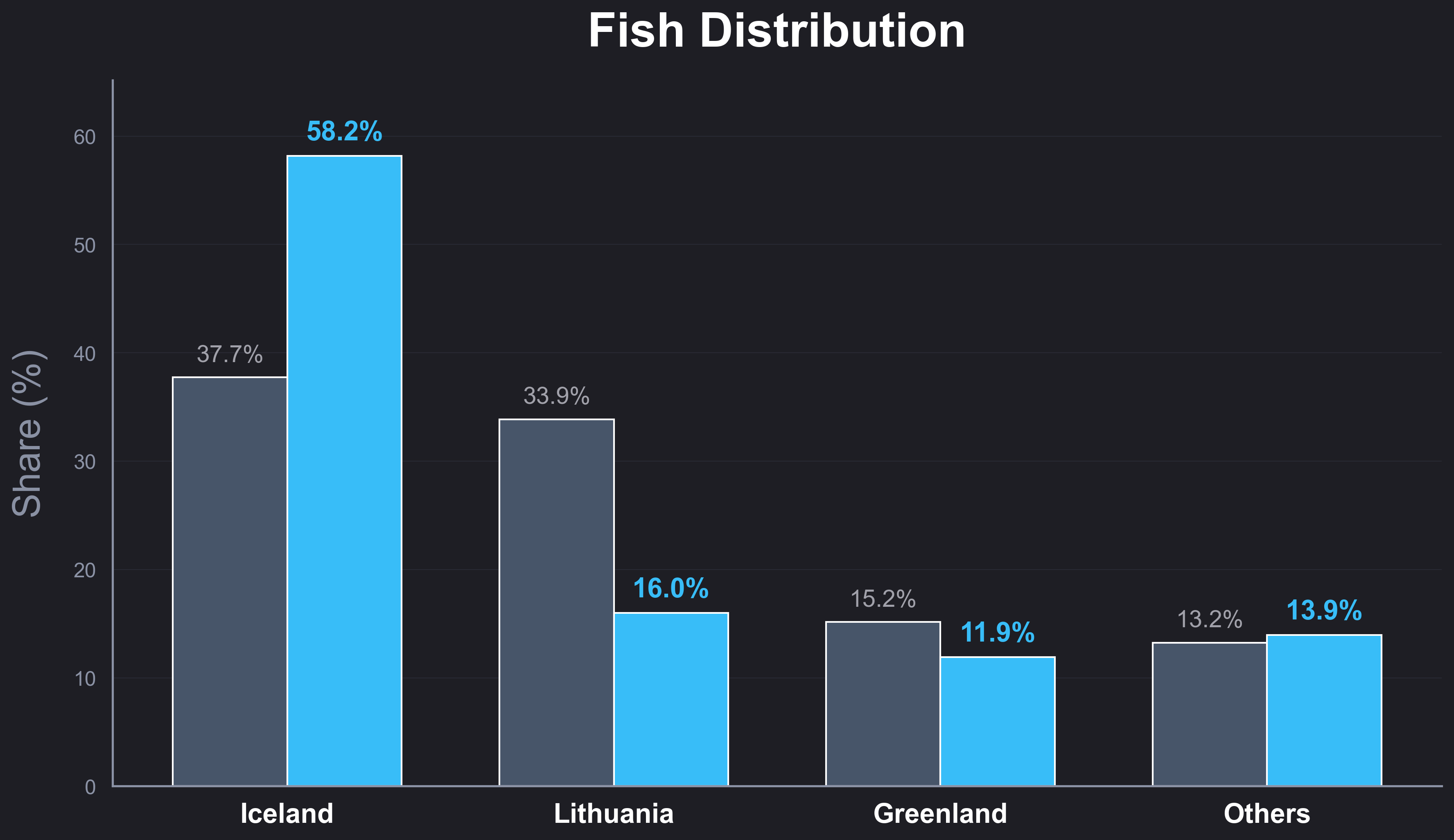
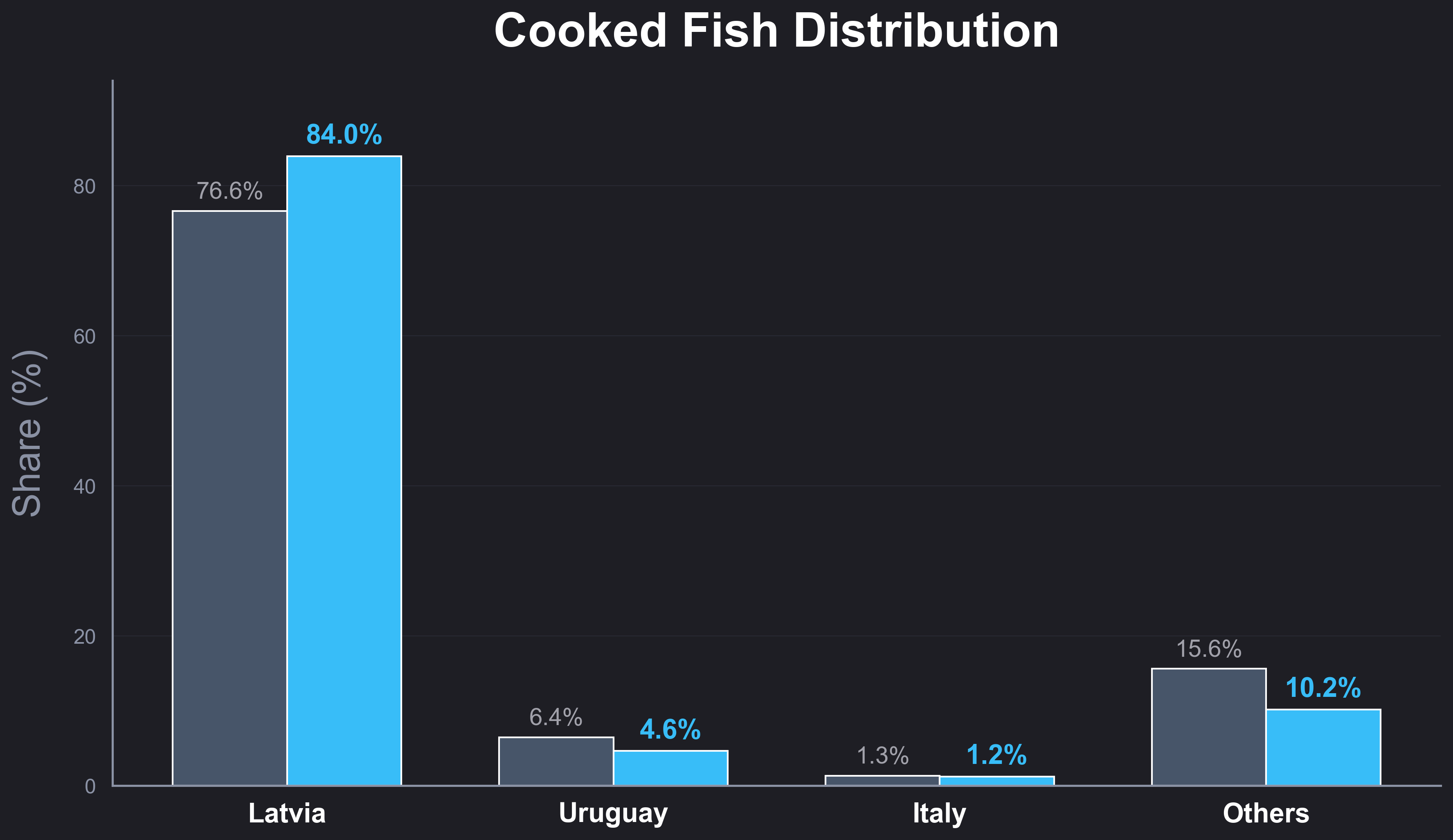
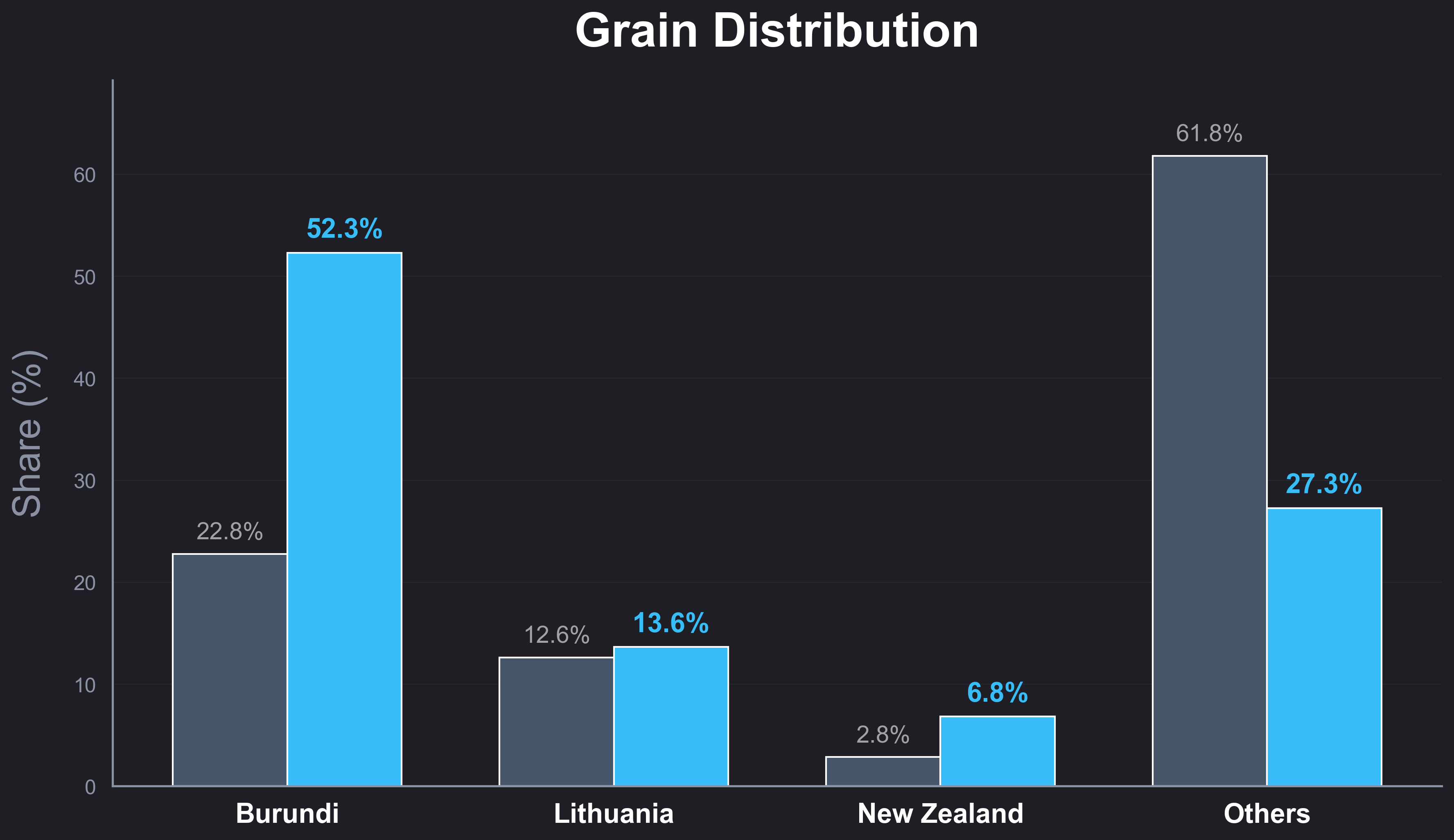
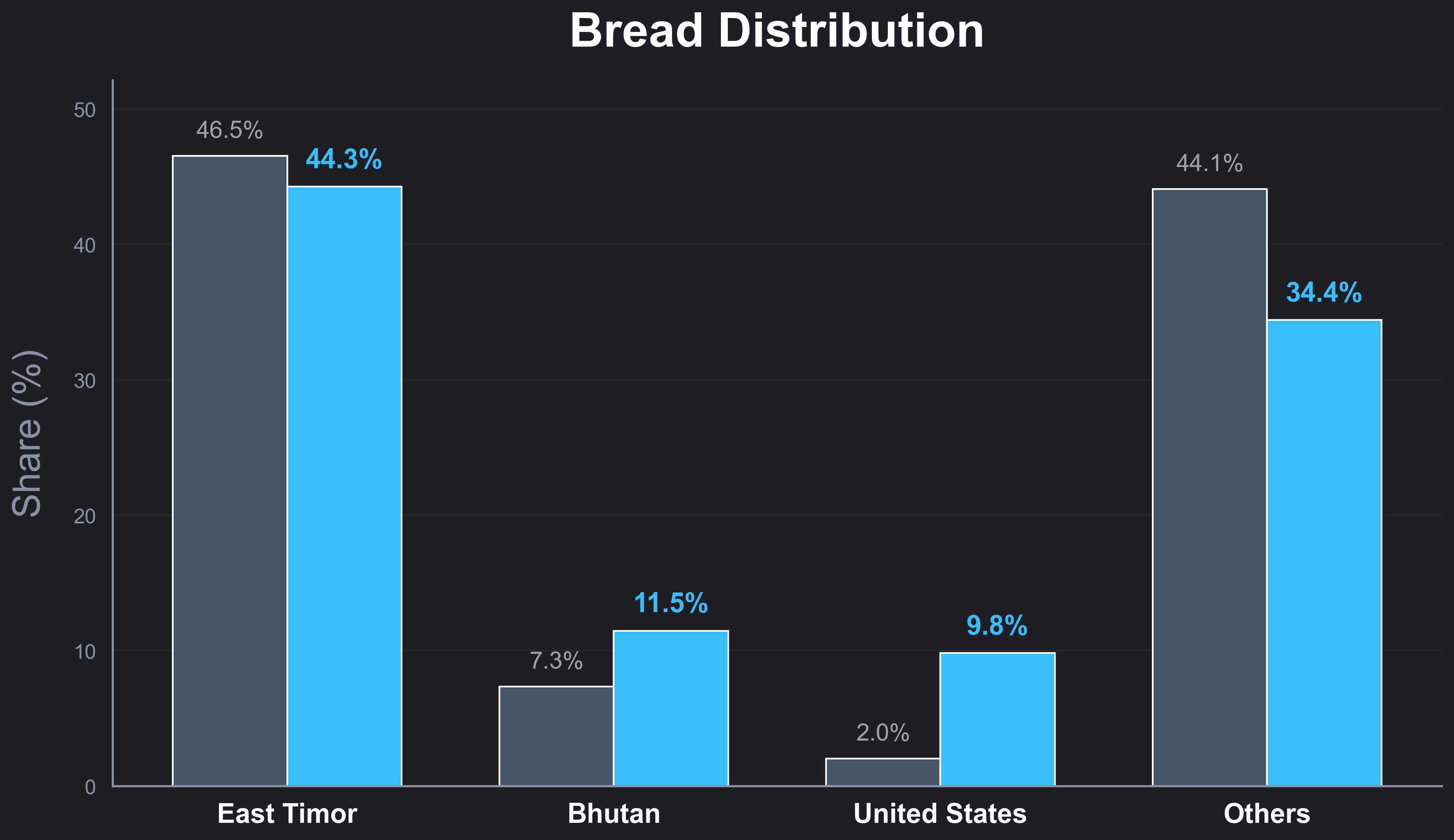
Let's examine the current state of construction demand closely.

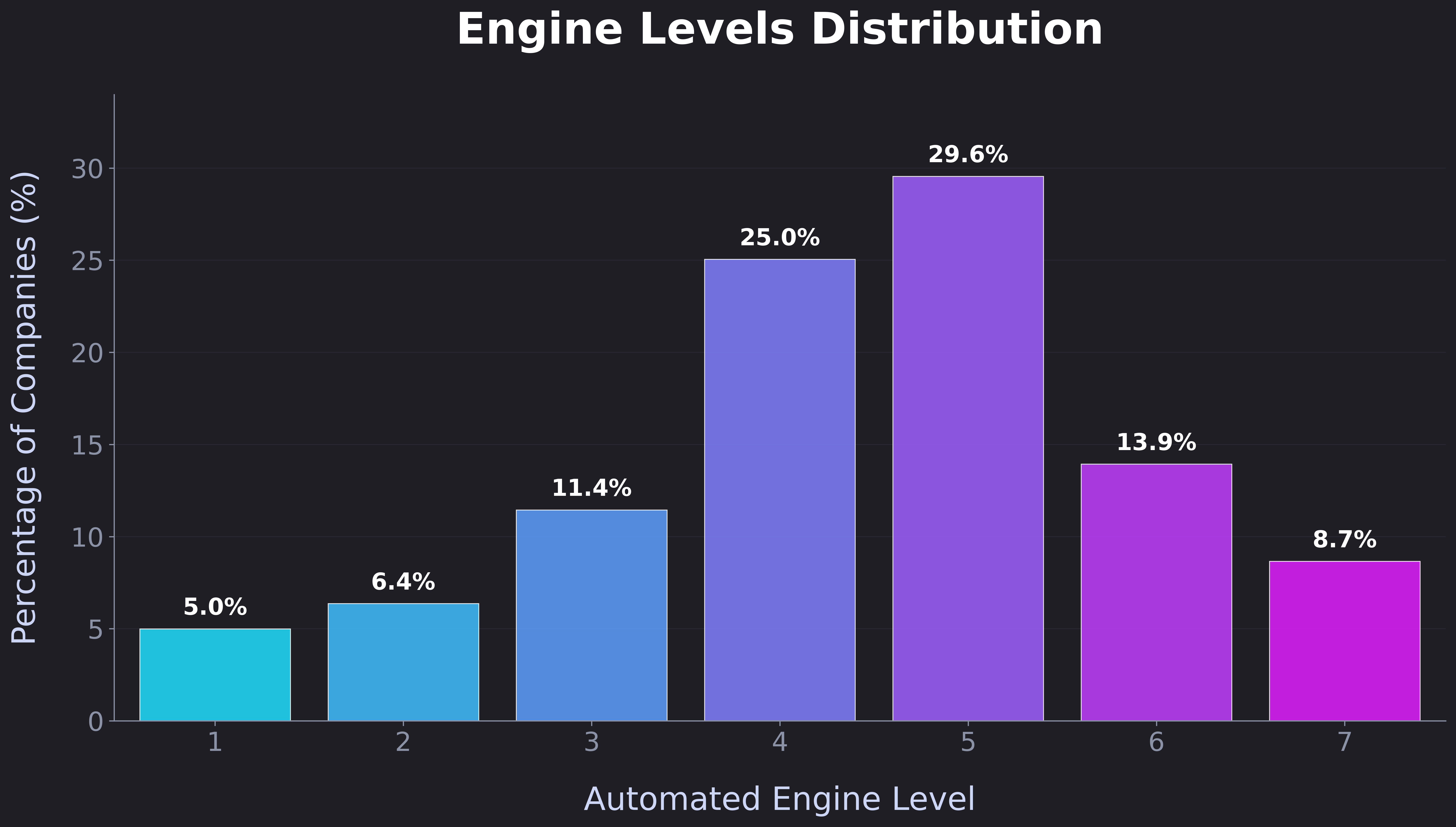
As we can see from the charts, many players haven't yet reached the optimal setup of 6 level-5 companies. This indicates that the short-term demand for construction materials will remain high as players continue to upgrade.
However, the lingering question is whether the future influx of new players will be sufficient to sustain this high level of demand. With deflation already happening across the markets, it is highly probable that this trend will only continue to gain momentum if player growth slows down.
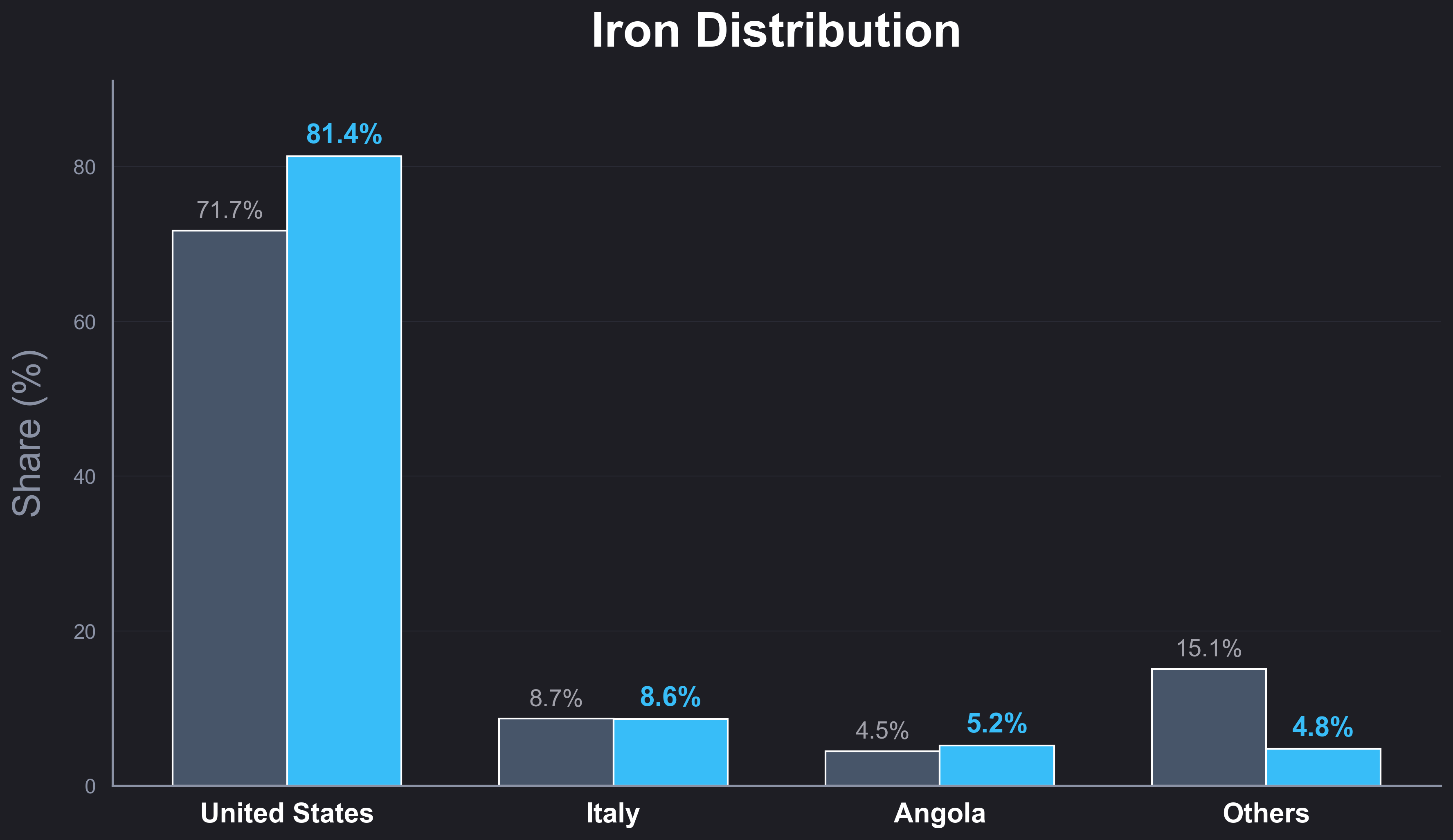
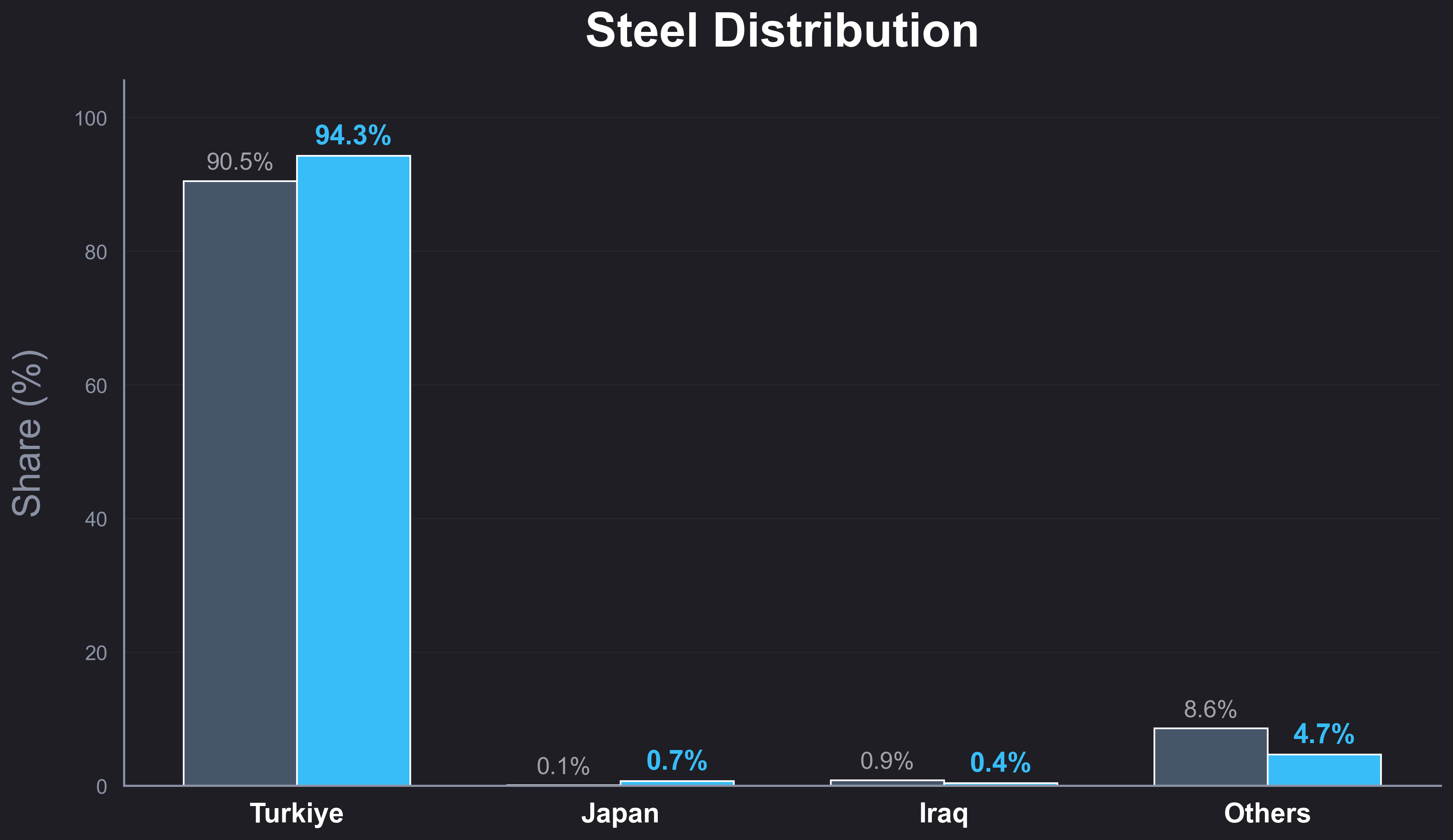
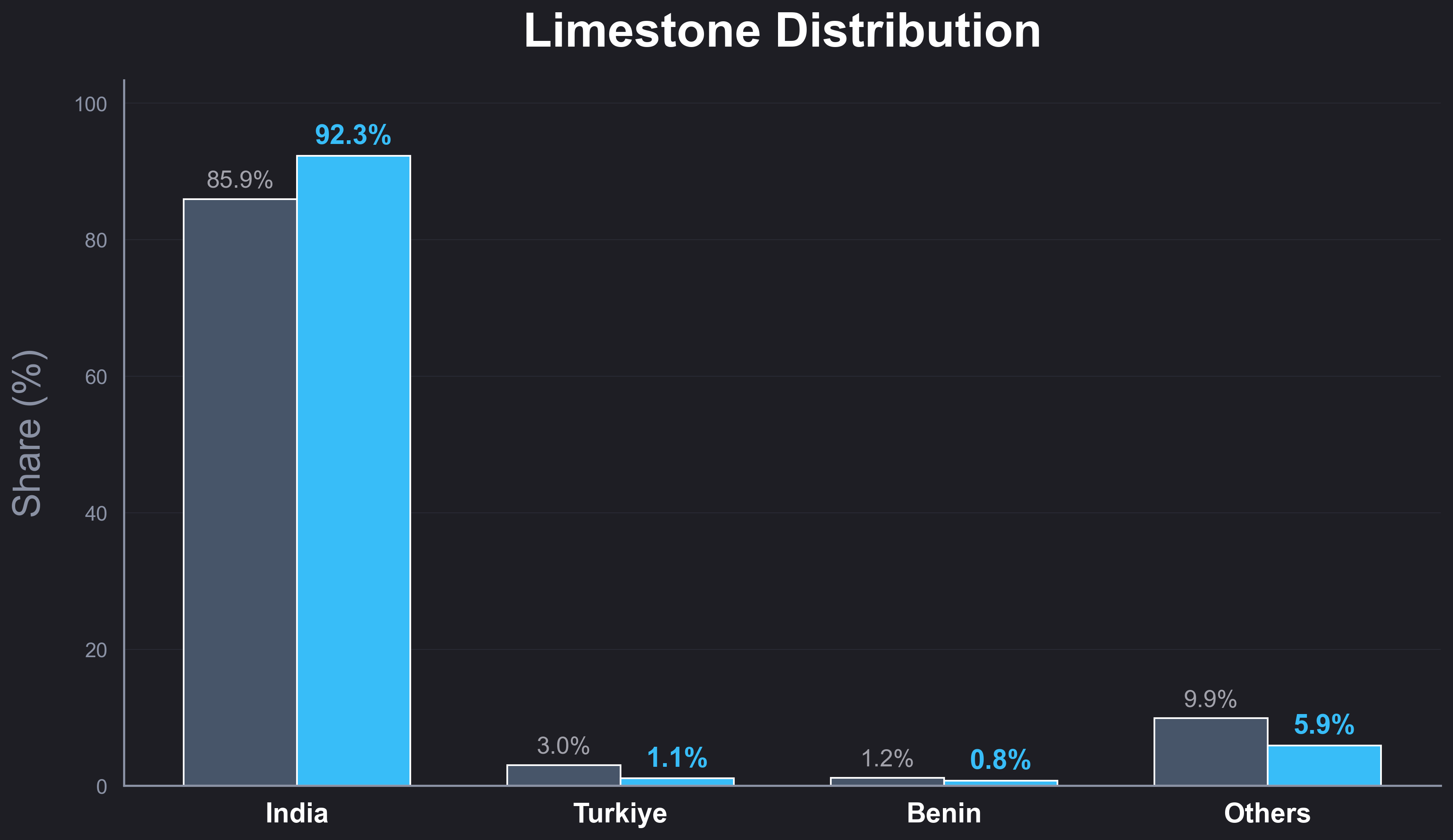
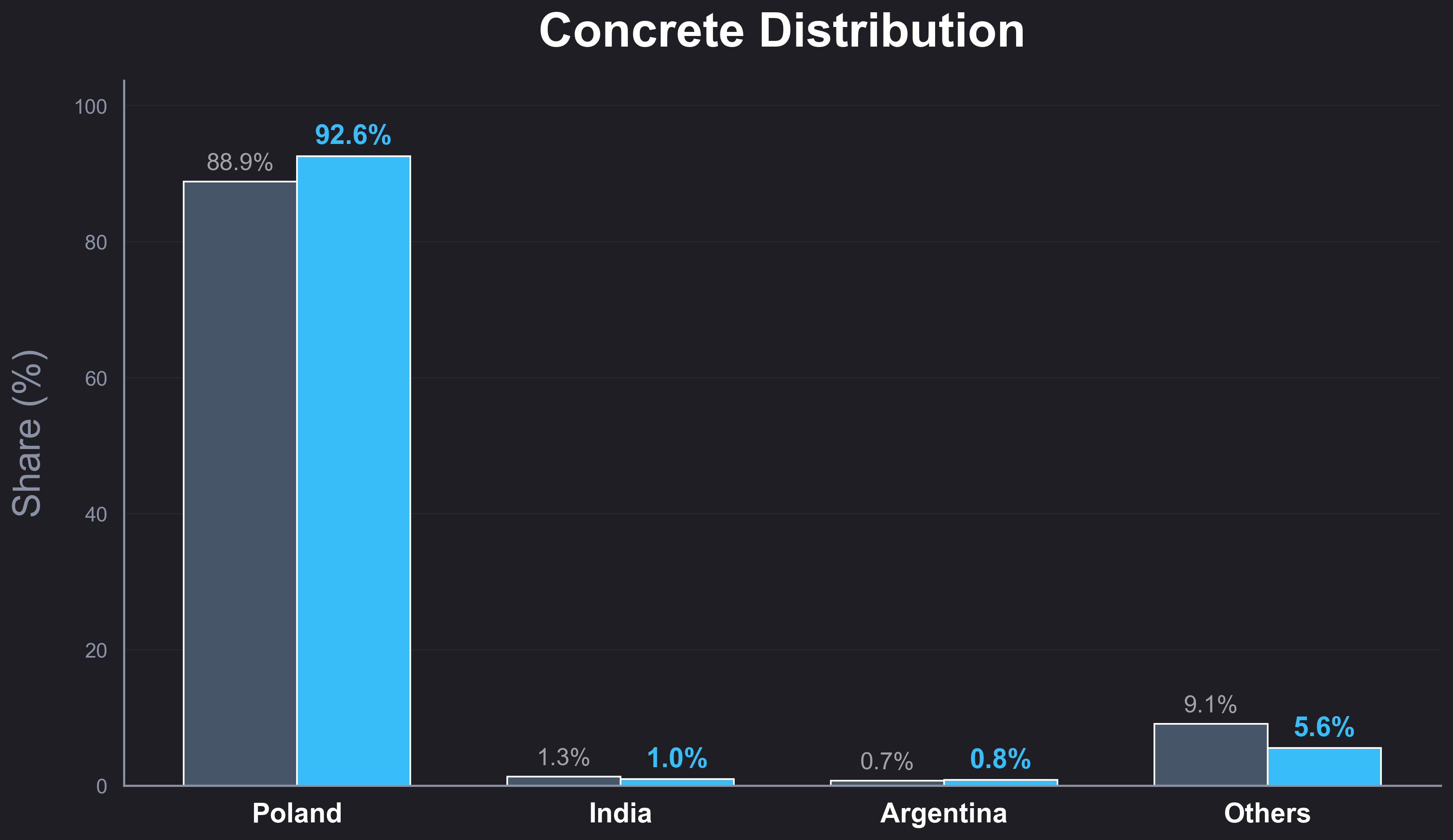
Just how many resources have been poured into these concrete walls?
According to current estimates, there are 37,600 active companies utilizing 170,000 automated engines.
The estimated total value of this industrial complex? A staggering 33 million coins. Every single day, automated engines alone are pumping out finished goods worth roughly 250,000 coins — the vast majority of which is immediately bricked right back into the walls of new companies.
With all this production, where is the workforce actually concentrated?

Looking at the global workforce distribution, the United States has successfully weathered recent setbacks to swiftly reclaim the number one spot. Together with their alliance, they continue to control the vast majority of global production, cementing their dominance.
Conclusion
Judging by the data, without truly massive wars, deflation will likely continue to grow — a natural consequence of relative peace and rapid industrialization. However, there is no need to worry about this trend. Cheaper goods will simply make warfare much more accessible. Soon enough, as the majority of new players level up and complete their infrastructure, we will see battles breaking all previous damage records by a wide margin. In hot times, the demand for essential supplies like ammo, food, and fuel will always remain high, inevitably shifting the market back toward inflation.
Appendix: Detailed Resource Statistics