The Recces: South Africa’s Legendary Special Forces
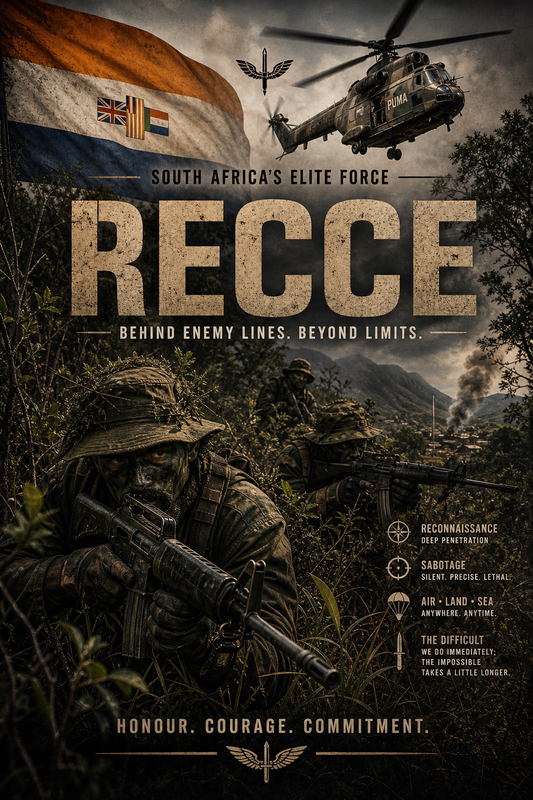
Among the most respected and feared special operations units of the Cold War era was South Africa’s elite military force known simply as the “Recces.” Officially called the South African Special Forces Brigade, the Recces became legendary for their endurance, unconventional warfare skills, and daring cross-border missions during some of Southern Africa’s most turbulent decades.
To many soldiers around the world, the Recces earned a reputation similar to Britain’s SAS or the American Green Berets — small teams of highly trained operators capable of striking deep behind enemy lines under the harshest conditions imaginable.
Origins of the Recces
The South African Special Forces were officially formed in 1972 during the height of the Border War, a conflict fought primarily in Namibia (then South West Africa) and Angola. South Africa needed highly skilled soldiers capable of reconnaissance, sabotage, counter-insurgency, and covert operations against guerrilla movements and hostile military forces.
The first operational unit became known as 1 Reconnaissance Commando, followed later by additional Reconnaissance Commandos specializing in airborne, maritime, and unconventional warfare roles.
The nickname “Recce” came from the military term reconnaissance, but over time it became a badge of honour associated with some of the toughest soldiers Africa had ever produced.
Time of Service
The Recces operated primarily between:
1972 – 1998 under the old South African Defence Force structure
Continued afterwards as part of the modern South African National Defence Force Special Forces Brigade
Their most active operational years were during:
The South African Border War (1966–1989)
Operations in Angola
Counter-insurgency campaigns in Namibia
Covert regional missions during the Cold War
Even after apartheid ended in 1994, many former Recce operators continued serving in the modern South African military or private security sectors around the world.
Selection and Training
Recce selection became infamous for its brutality.
Only a tiny percentage of candidates completed the course successfully. Physical strength alone was never enough — mental endurance, discipline, navigation ability, and survival instincts mattered more.
Training included:
Long-distance navigation marches
Desert and bush survival
Amphibious warfare
Airborne operations
Demolitions and sabotage
Tracking and counter-tracking
Combat diving
Advanced weapons training
Candidates were pushed to exhaustion with little sleep, minimal food, and extreme environmental stress. The goal was simple: identify soldiers who could continue operating long after ordinary troops had broken down physically and mentally.
The Recce motto reflected this mentality:
“The difficult we do immediately; the impossible takes a little longer.”
Weapons and Equipment
The Recces used a wide variety of weapons depending on mission type and environment. Many were selected for reliability in harsh African terrain.
Common Weapons Used
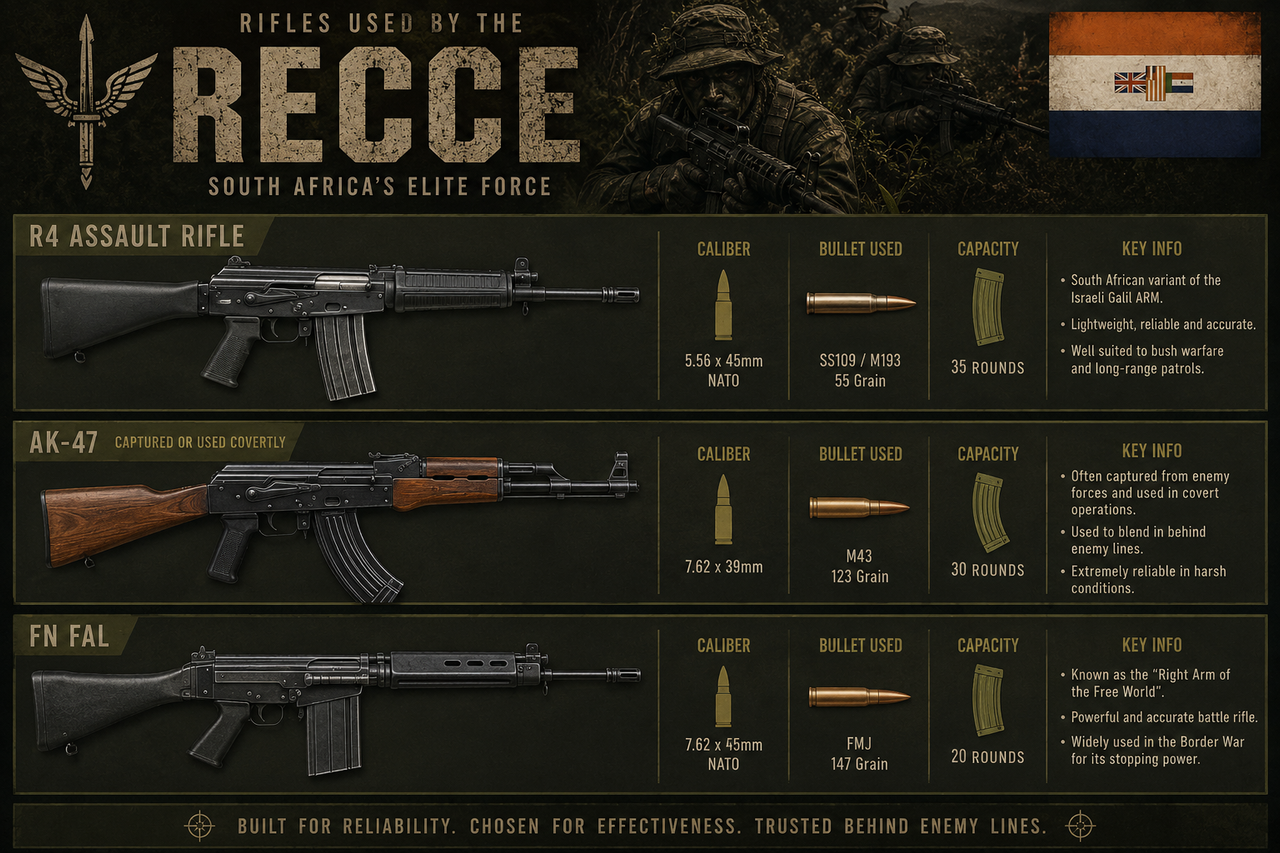
Rifles
R4 assault rifle
AK-47 captured or used covertly
FN FAL
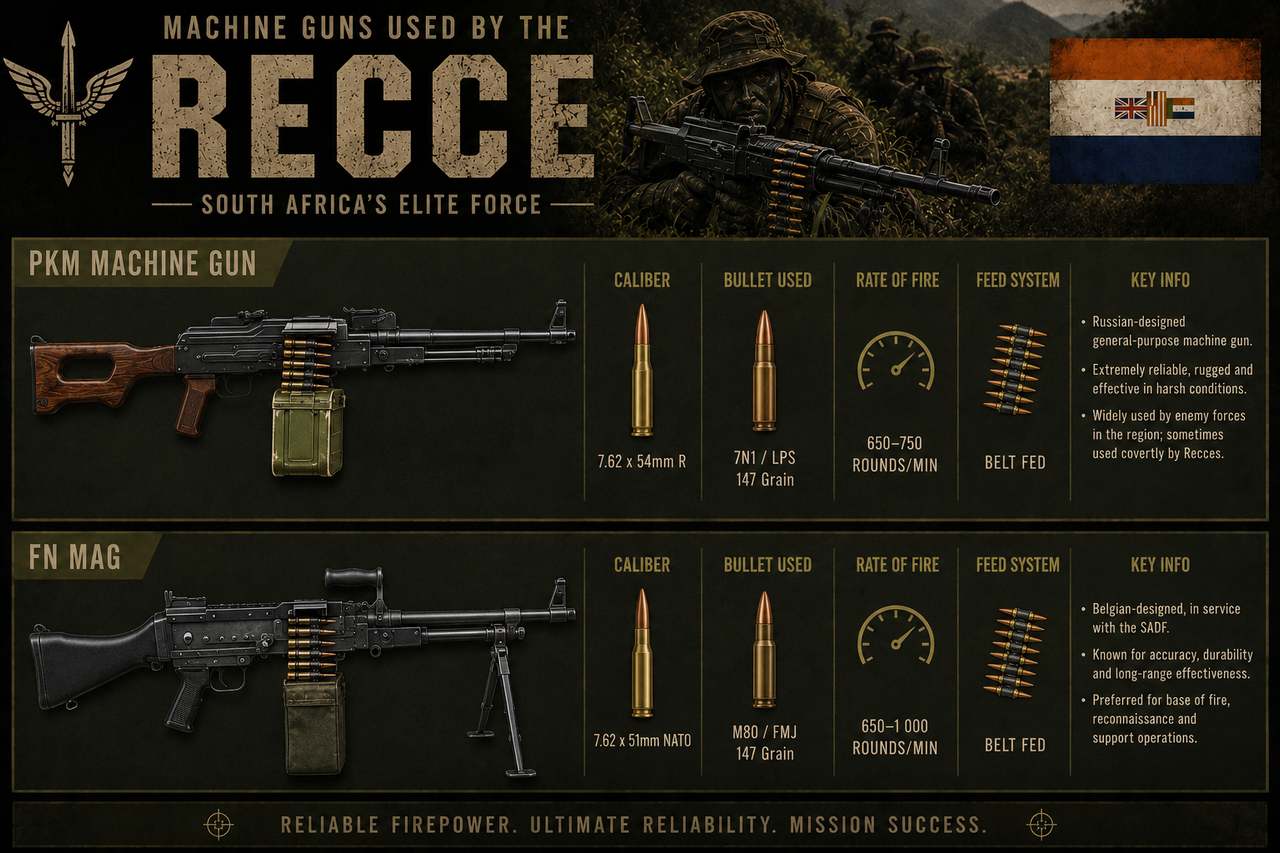
Machine Guns
PKM machine gun
FN MAG
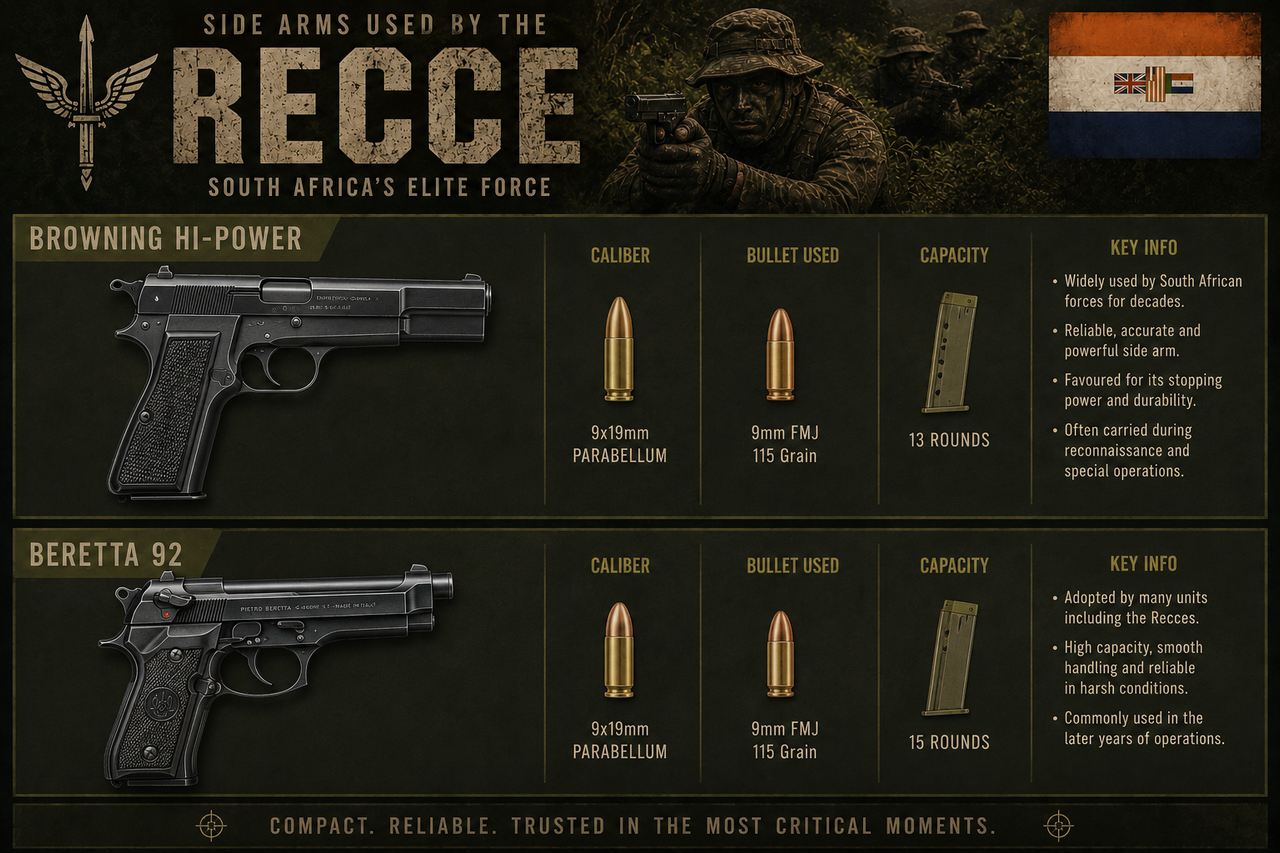
Sidearms
Browning Hi-Power
Beretta 92
Specialized Equipment
Limpet mines
Explosives and demolition charges
Radio interception gear
Camouflaged reconnaissance equipment
Zodiac boats for maritime infiltration
Parachuting and diving gear
Because many missions required secrecy, operators often used enemy-style weapons and clothing to blend into hostile territory.
Famous Missions
The Recces participated in some of the most daring military operations in African history.
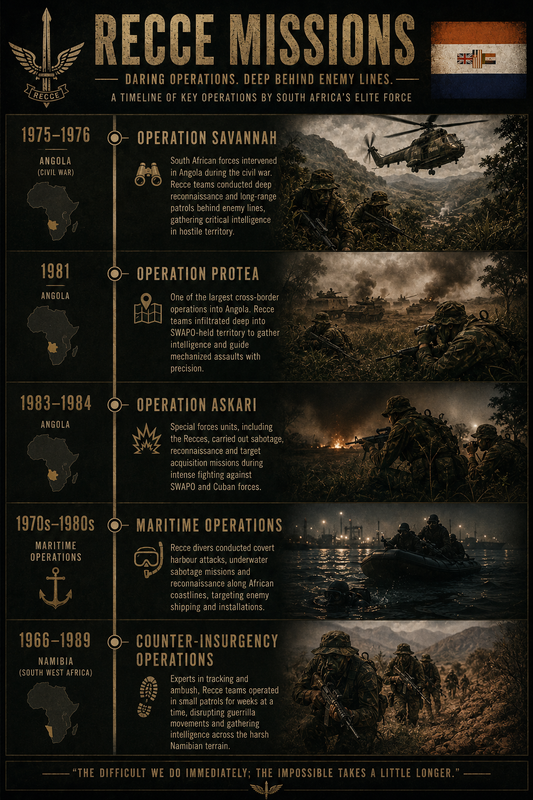
Operation Savannah (1975–1976)
South African forces intervened in Angola during the civil war. Recces conducted reconnaissance and deep penetration operations far behind enemy lines.
Operation Protea (1981)
One of the largest South African cross-border operations into Angola. Recce teams helped gather intelligence and guide mechanized assaults against SWAPO positions.
Operation Askari (1983–1984)
Special forces units carried out sabotage, reconnaissance, and targeting missions during heavy fighting in Angola.
Maritime Operations
Recce divers conducted covert harbour attacks, underwater sabotage missions, and reconnaissance along African coastlines.
Counter-Insurgency
The Recces became experts in tracking guerrilla fighters through dense bush and desert terrain, often operating in extremely small patrols for weeks at a time.
Reputation Around the World
Military historians and foreign special forces veterans often regard the Recces as one of the finest reconnaissance and unconventional warfare units of the 20th century.
Their strengths included:
Bushcraft and tracking
Long-range reconnaissance
Small-team independence
Survival in extreme conditions
Adaptability in African terrain
Former adversaries even acknowledged the professionalism and effectiveness of Recce operations during the Border War.
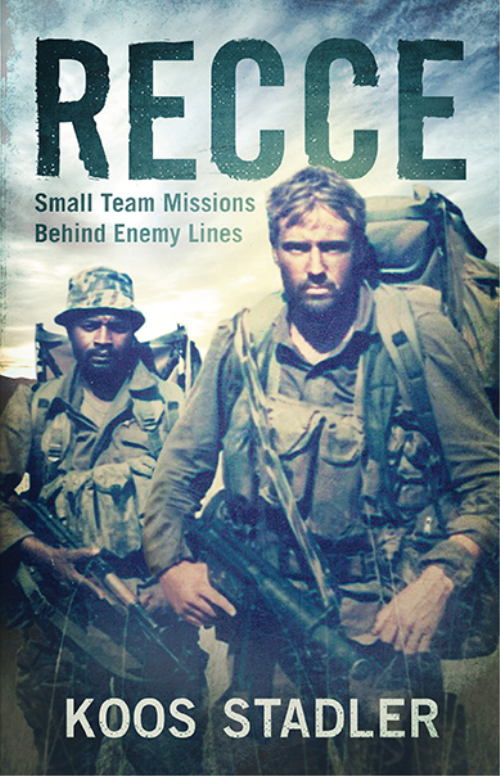
Books such as Recce by Koos Stadler helped bring international attention to their experiences.
Influence on Modern South Africa
The legacy of the Recces remains complex and significant.
Military Influence
Modern South African Special Forces still draw heavily from Recce traditions, training philosophies, and operational doctrine.
National Security
Former Recces helped shape:
Counter-terror capabilities
Maritime security operations
Peacekeeping special operations
Anti-poaching units in Southern Africa
Private Security Sector
After the Border War and the end of apartheid, many former operators entered private military and security industries across Africa and the Middle East, where their skills were highly sought after.
Cultural Legacy
The Recces became part of South African military folklore. Their stories inspired documentaries, books, and veterans’ memoirs that continue to fascinate military enthusiasts today.
At the same time, their history is closely tied to the political conflicts of apartheid-era South Africa, making the subject both historically important and deeply controversial.
Conclusion
The Recces were forged in one of the harshest battlefields of the Cold War. Highly trained, secretive, and extraordinarily resilient, they became one of Africa’s most elite special operations forces.
Whether viewed through the lens of military excellence, political controversy, or historical significance, the South African Recces left a lasting mark on both African warfare and the evolution of modern special forces doctrine.