The SAMIL Truck – The Rugged Workhorse of the South African Military
The SAMIL truck family is one of the most iconic military vehicle series ever developed in South Africa. Built to survive Africa’s harsh terrain, extreme climate, and brutal wartime conditions, the SAMIL became the logistical backbone of the South African Defence Force (SADF) and later the South African National Defence Force (SANDF).
While vehicles like the Ratel IFV and Casspir often received most of the attention, the SAMIL was the vehicle that kept the army moving. It carried troops, ammunition, fuel, food, artillery equipment, water, medical supplies, and even rocket launchers across enormous distances during the South African Border War.
To many soldiers, the SAMIL was more than just a truck — it was the dependable “bakkie of the bush war,” capable of going almost anywhere under incredibly difficult conditions.
The name “SAMIL” stands for: South African MILitary.
Origins – Why the SAMIL Was Developed
During the 1970s and 1980s, South Africa faced unique military challenges.
Operations in:
Angola
Namibia/South West Africa
Botswana border regions
Remote bush terrain
required vehicles capable of:
Long-range travel
Heavy off-road use
Carrying large loads
Operating far from maintenance bases
Surviving heat, dust, mud, and rough terrain
At the same time, international sanctions and arms embargoes meant South Africa increasingly had to manufacture or modify military equipment locally.
The SADF needed a family of rugged military trucks that could:
Handle African terrain better than standard civilian trucks
Carry troops and supplies over huge distances
Be easy to repair in the field
Serve in many different configurations
The solution was the SAMIL truck family.
The trucks were developed locally by ARMSCOR and South African industry, heavily based on German Magirus-Deutz truck technology. Many early SAMIL trucks were modified or licensed versions of Magirus-Deutz military trucks adapted specifically for African warfare.
Production began during the late 1970s and continued into the 1990s.
The SAMIL Philosophy – Simplicity and Reliability
The SAMIL series was not designed to look sophisticated or futuristic.
Instead, the design philosophy focused on:
Reliability
Ease of maintenance
Off-road capability
Ruggedness
Simplicity
The trucks needed to operate in:
Extreme heat
Deep dust
Sand
Mud
Remote wilderness
Long-distance convoy operations
This made the SAMIL perfectly suited for Southern African military conditions.
Many crews considered the trucks nearly indestructible.
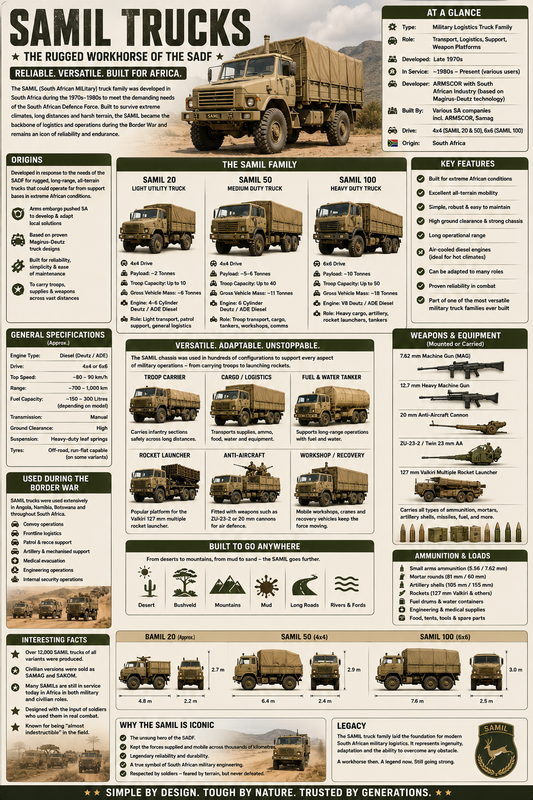
The Main SAMIL Variants
The SAMIL family included several major versions.
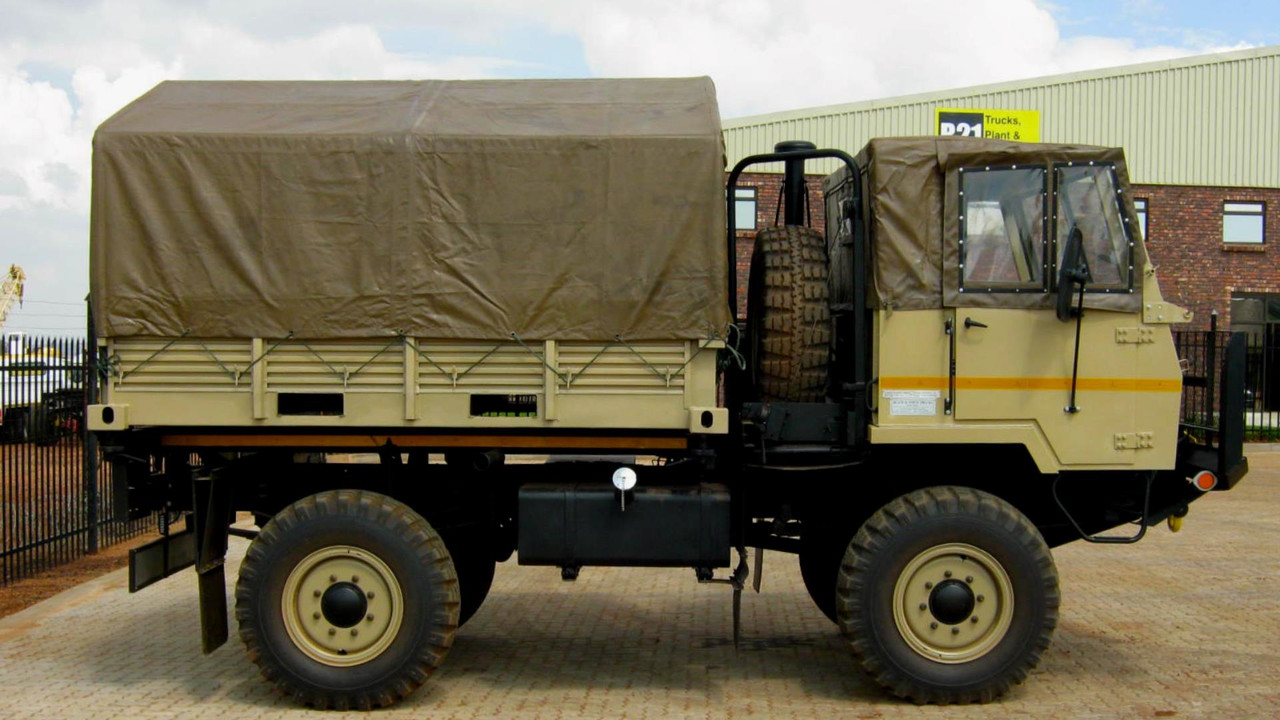
SAMIL 20
The smallest and most agile version.
Role
Light utility truck
Troop transport
General logistics
Configuration
4×4 drivetrain
Approximate 2-ton payload
Capacity for roughly 10 troops
The SAMIL 20 became the standard light transport truck of the SADF.
It was often used for:
Patrol support
Light cargo transport
Ammunition supply
Communications equipment
Medical support
Workshop vehicles
The vehicle had excellent off-road capability thanks to:
High ground clearance
Differential locks
Short wheelbase
Robust suspension
The SAMIL 20 was based partly on the Magirus-Deutz 130M7FAL truck design. Later versions received locally manufactured Atlantis Diesel Engines (ADE) powerplants due to sanctions-related supply issues.
SAMIL 50
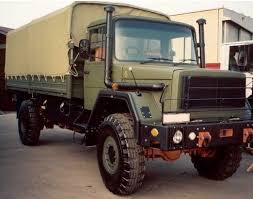
The medium-sized workhorse of the family.
Role
Medium logistics truck
Troop carrier
Fuel and water transport
Mobile workshops
Configuration
4×4 drivetrain
Approximate 5–6 ton payload
Capacity for up to 40 troops
The SAMIL 50 became one of the most common military trucks used during the Border War.
It was capable of:
Carrying large infantry sections
Transporting artillery ammunition
Operating as fuel tankers
Supporting mechanised units
Carrying engineering equipment
The truck’s reliability in harsh conditions made it legendary among SADF troops.
The SAMIL 50 was derived from the Magirus-Deutz 192D12AL design but heavily modified for African conditions.
SAMIL 100
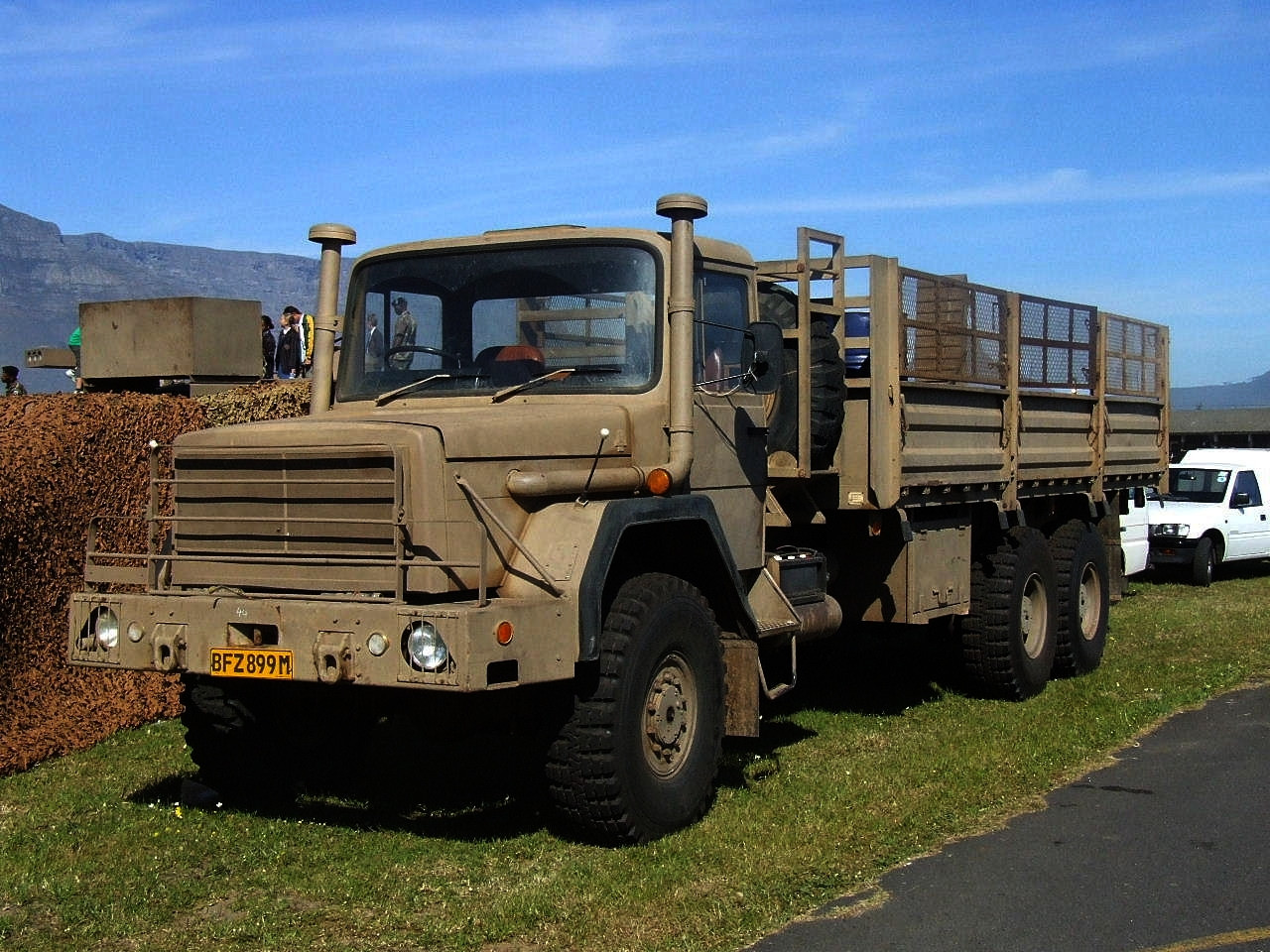
The heavy-duty giant of the family.
Role
Heavy logistics
Artillery tractor
Tanker
Heavy cargo transport
Rocket launcher platform
Configuration
6×6 drivetrain
Approximate 10-ton payload
Capacity for up to 50 troops
The SAMIL 100 was used for some of the army’s heaviest battlefield tasks.
It could transport:
Heavy ammunition
Fuel
Engineering equipment
Artillery systems
Rocket launchers
Large troop groups
The truck became especially famous as the carrier platform for the Valkiri multiple rocket launcher system.
The SAMIL 100 was based on the Magirus Deutz 320D22AL heavy truck.
Engine and Mobility
One of the SAMIL’s greatest strengths was its mobility.
The trucks were designed specifically for:
Long-distance African operations
Poor roads
Bush tracks
Sand
Rough terrain
Features included:
Permanent all-wheel drive
Differential locks
High-strength chassis
Excellent suspension articulation
High ground clearance
Depending on version, the trucks used:
Air-cooled Deutz diesel engines
Atlantis Diesel Engines (ADE) powerplants
The air-cooled engines proved especially useful in hot African environments because they:
Reduced radiator vulnerability
Simplified maintenance
Improved reliability in dusty conditions
The SAMIL 50 could achieve operational ranges of roughly 1,000 km under ideal conditions.
Weapons and Armament
The SAMIL itself was primarily a logistics and transport vehicle rather than a combat vehicle.
However, it often carried mounted weapons for convoy defence and battlefield support.
Common weapons included:
FN MAG 7.62 mm machine guns
Browning 12.7 mm heavy machine guns
20 mm anti-aircraft cannons (certain variants)
Valkiri multiple rocket launchers
Twin 23 mm anti-aircraft systems
Some variants were adapted into:
Rocket artillery carriers
Anti-aircraft vehicles
Mine-protected troop carriers
The SAMIL 100 became especially famous as the carrier for the:
Valkiri 127 mm multiple rocket launcher system
This combination gave South African forces powerful long-range rocket artillery mobility.
Ammunition and Equipment Transport
One of the SAMIL’s most important battlefield roles was logistics.
The trucks routinely transported:
Small-arms ammunition
Mortar rounds
Artillery shells
Fuel drums
Water supplies
Food
Spare parts
Infantry equipment
Without the SAMIL fleet, long-range SADF operations in Angola would have been nearly impossible.
The trucks became the lifeline of mechanised operations.
Mine Protection and Adaptations
As mine warfare intensified during the Border War, some SAMIL variants received mine-resistant modifications.
These included:
Armoured cabs
Reinforced floors
Mine-protected troop compartments
Some specialised mine-resistant vehicles were developed directly from SAMIL chassis designs.
Examples included:
Kwevoël
Bulldog APC
Various protected logistics vehicles
These adaptations reflected South Africa’s extensive battlefield experience with landmine warfare.
Combat During the Border War
The SAMIL truck family was used extensively throughout:
Angola
Namibia/South West Africa
Border operations
Internal logistics operations
They supported:
Mechanised infantry
Artillery batteries
Armoured formations
Air defence units
Engineering corps
Medical units
The trucks often operated in huge convoys travelling hundreds of kilometres through dangerous territory.
Despite mines, ambushes, rough terrain, and harsh weather, the SAMIL became famous for its ability to keep moving.
Many soldiers trusted the SAMIL completely in the field.
Why the SAMIL Became Iconic
1. Extreme Reliability
The SAMIL gained a reputation for surviving:
Heat
Dust
Mud
Overloading
Rough bush tracks
Minimal maintenance conditions
Some trucks remained operational for decades.
2. Outstanding Off-Road Capability
The truck’s all-wheel-drive system and suspension allowed it to travel where many civilian trucks could not.
This was crucial in African warfare.
3. Massive Versatility
The SAMIL chassis became the basis for countless military applications:
Tankers
Workshops
Ambulances
Rocket launchers
Recovery vehicles
Communications vehicles
Troop carriers
Few military truck families were as adaptable.
4. It Became the Backbone of the SADF
The SAMIL was everywhere during the Border War.
It became visually synonymous with South African military logistics.
Interesting Facts About the SAMIL
The Trucks Were Built Around Real African Conditions
Unlike many European military trucks designed for paved roads and shorter operations, the SAMIL was optimised for:
Long-distance bush warfare
Remote operations
Extreme climates
Some Are Still Operating Today
Decades after their introduction, many SAMIL trucks remain in civilian and military service across Africa.
They are popular in:
Mining
Farming
Tourism
Expedition travel
Forestry
The Civilian Versions Were Called SAMAG
Civilian derivatives of the SAMIL were marketed as:
SAMAG
SAKOM
These trucks became common in heavy off-road industries.
Thousands Were Produced
At its peak, the SAMIL fleet numbered roughly 12,000 vehicles across various types and configurations.
The Trucks Helped Define South African Mechanised Warfare
Without the SAMIL fleet, South Africa’s long-range mobile warfare doctrine during the Border War would have been impossible to sustain.
The trucks enabled:
Deep penetration operations
Rapid movement
Long-range logistics support
Legacy
The SAMIL truck family remains one of the most successful military vehicle programs in South African history.
It symbolised:
Reliability under harsh conditions
Military adaptation under sanctions
African mobility warfare
Rugged battlefield logistics
While tanks and IFVs often receive the glory, armies ultimately move on logistics.
In Southern Africa, the SAMIL was the vehicle that carried the war effort across deserts, bush, rivers, and endless dirt roads.
For many veterans of the Border War, the sound of a SAMIL diesel engine remains one of the defining sounds of an entire era of African military history.