The Sentinel Afternoon Post: The Three Spirits of Art: Finding Your Duende

Federico García Lorca
The poet and philosopher García Lorca once argued that there are three spirits of art. There is the muse who will give you great ideas from outside. They will plant a tune in your head or give you the idea for a new book. Then there is the angel who will give you grace and skill, like having a good ear or musical ability. And finally, there is duende.
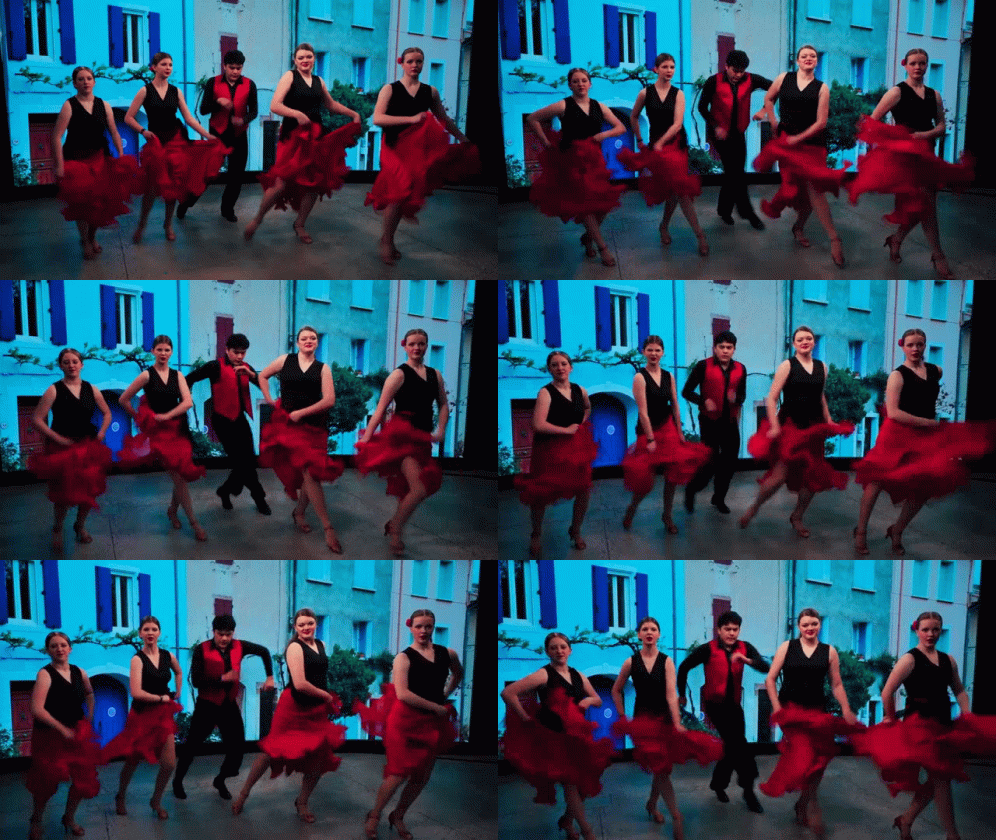
Duende comes from the soles of your feet. It is dark, it is earthy, and it is a little bit dangerous. It's in the shiver of a flamenco singer's cracked voice or in the raw honesty of a poet whose lines are almost too hot to hold. Lorca argued that there is only one way to invite duende into your work, and that is to face down death. If you cannot accept risk, or danger, or the possibility of failure, then you will never know duende. The performer who plays it safe and who never bleeds will be admired for the evening but will be forgotten come the morning.
Nietzsche made a similar point to Lorca in his earlier works on aesthetics. Nietzsche argued that all art oscillates between two gods. There is Apollo, the god of form, clean lines, and the beautiful, controlled dream. And then there is Dionysus, the god of wine, music, and ecstasy, who tears the tidy self apart and drags you down into something older and wilder.
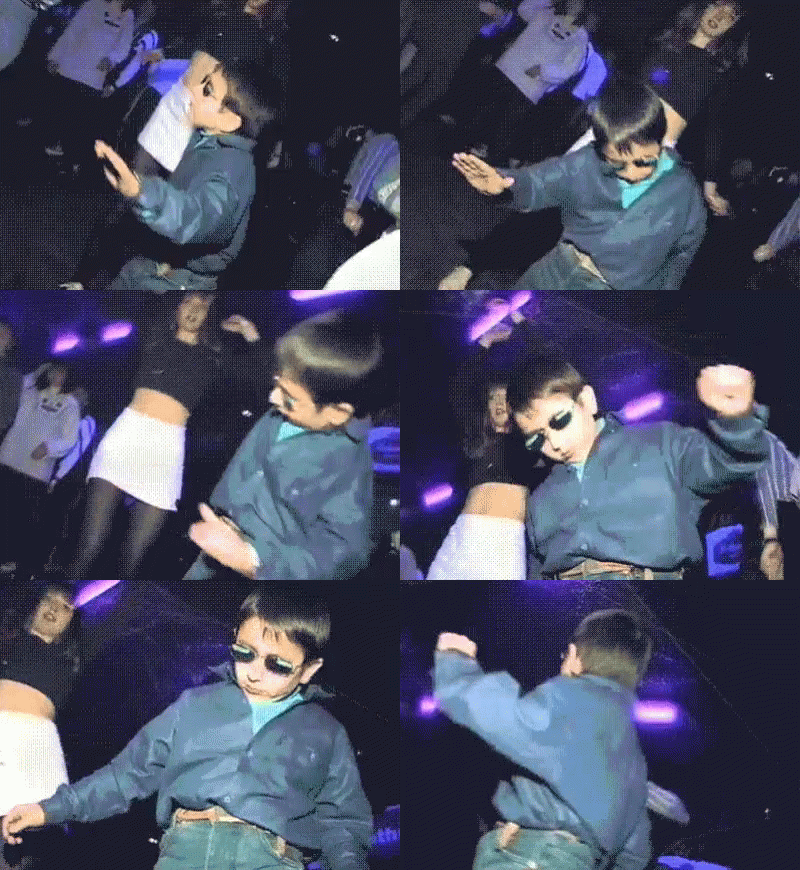
Duende is when the Dionysian breaks through the polished surface. It's when the mask slips and you face the animal underneath. Perfection is Apollo's work. It's admirable, it's respectable, and it's safe. But Dionysus and Duende will bring out the beast. And you never quite forget the beast.