The South African Air Force (1980–2000)
The period between 1980 and 2000 was one of the most significant and combat-intensive eras in the history of the South African Air Force (SAAF). During these two decades, the Air Force fought in the final stages of the Border War, operated under international sanctions, developed indigenous aircraft and weapons, and eventually transformed into a modern air force serving a democratic South Africa.
Unlike many Western air forces of the period, the SAAF gained extensive real-world combat experience. Its pilots flew thousands of operational sorties over Angola and Namibia, facing Soviet-supplied aircraft, advanced surface-to-air missile systems, and some of the most challenging conditions in Africa.
The era saw the dominance of the Mirage fighter family, the introduction of the Cheetah fighter programme, the extensive use of the Impala attack aircraft, and the emergence of the Rooivalk attack helicopter project.
Strategic Background
During the 1980s, South Africa was engaged in the long-running Border War in South West Africa (Namibia) and Angola.
The SAAF's primary missions included:
Air superiority
Close air support
Strategic reconnaissance
Battlefield interdiction
Transport and logistics
Search and rescue
Counter-insurgency operations
Following the United Nations arms embargo, South Africa increasingly relied on local industry to upgrade and modernise its aircraft.
By the 1990s, the end of the Cold War and the establishment of a democratic government shifted the SAAF's focus toward:
Peace support operations
Regional security
Maritime patrol
Humanitarian missions
International cooperation
The Mirage F1 – The Air Force's Spearhead
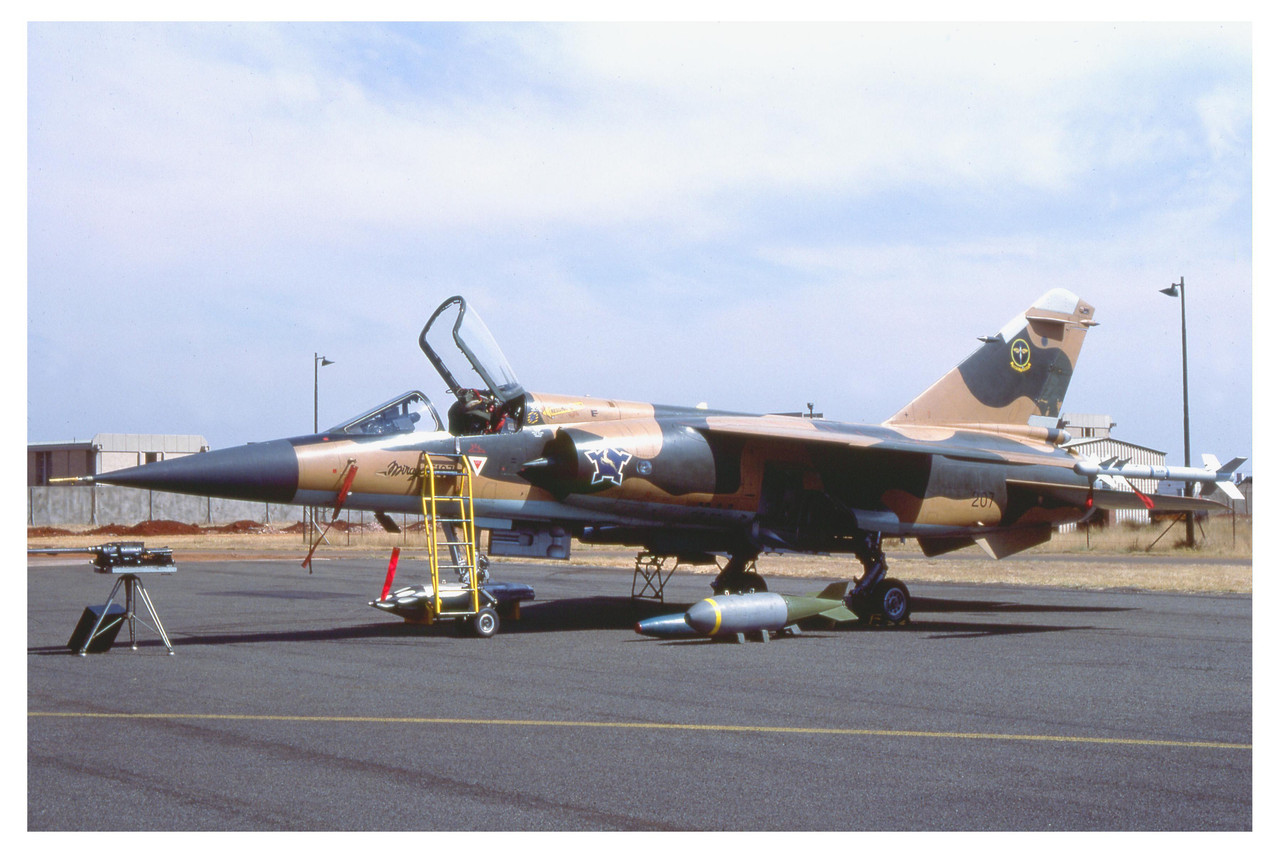
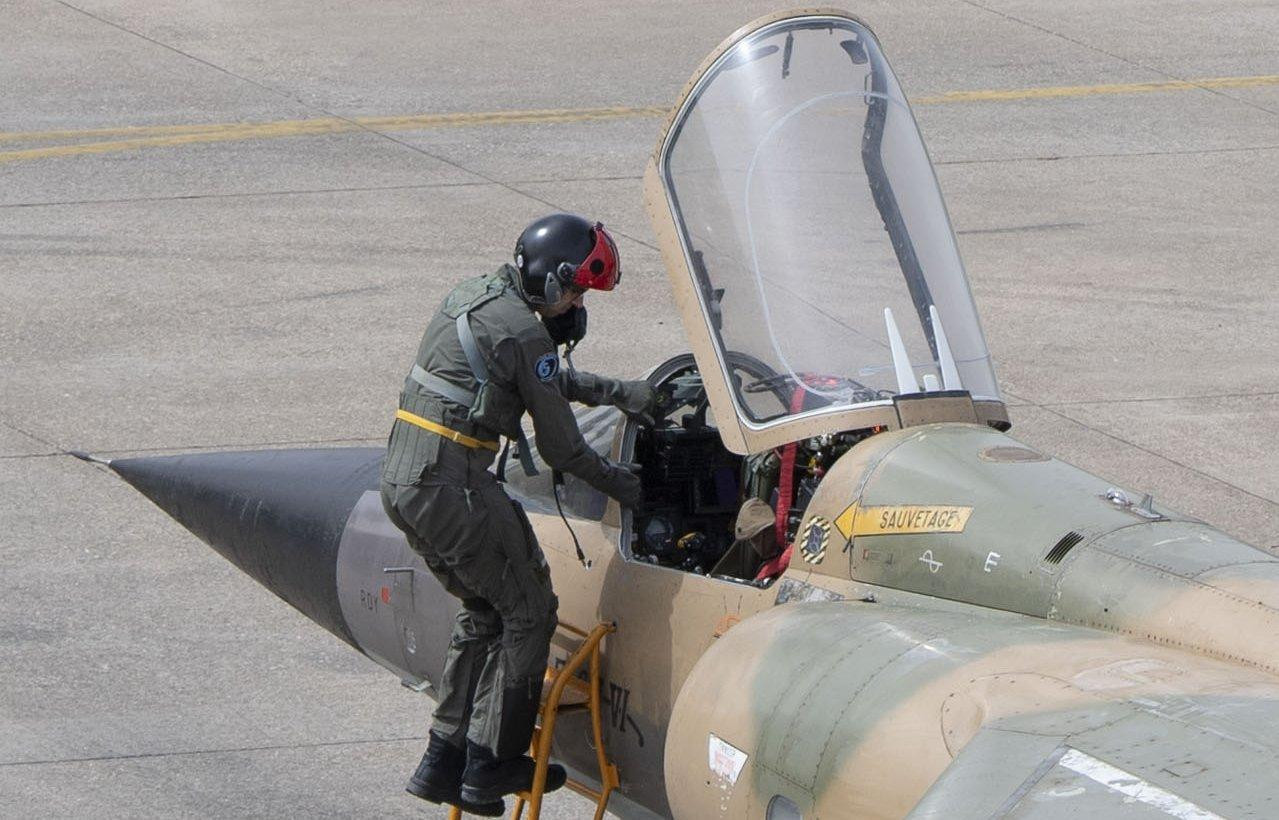
The Mirage F1 became the most important frontline fighter of the SAAF during the 1980s.
South Africa acquired two versions:
Mirage F1CZ
Dedicated interceptor variant.
Mirage F1AZ
Ground attack variant optimized for strike missions.
Specifications
Length : 15m
Maximum Speed : Mach 2.2
Range : 3,300 km with external tanks
Engine : SNECMA Atar 9K50Crew1
Weapons
The Mirage F1 could carry:
Two 30 mm DEFA cannons
Matra air-to-air missiles
V3 Kukri missiles
V3B and V3C infrared missiles
Conventional bombs
Cluster munitions
Rocket pods
Layout
The aircraft featured:
Nose-mounted radar
Side air intakes
Mid-mounted swept wings
Twin cannon installation beneath cockpit
Multiple underwing hardpoints
Combat Service
The Mirage F1CZs were responsible for air defence and achieved several confirmed air-to-air victories against Angolan aircraft.
The F1AZ became the workhorse strike aircraft of the Border War, attacking:
Airfields
Radar sites
Armoured formations
Supply depots
Many pilots regarded the F1AZ as one of the most effective strike aircraft ever operated by the SAAF.
The Cheetah Programme – South Africa's Secret Fighter
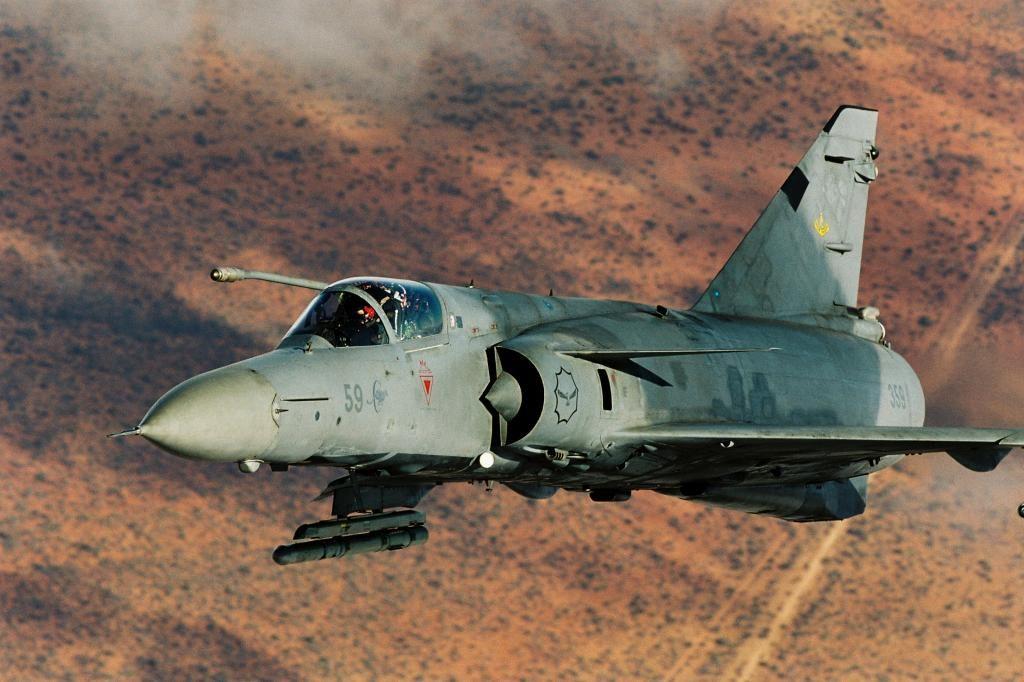
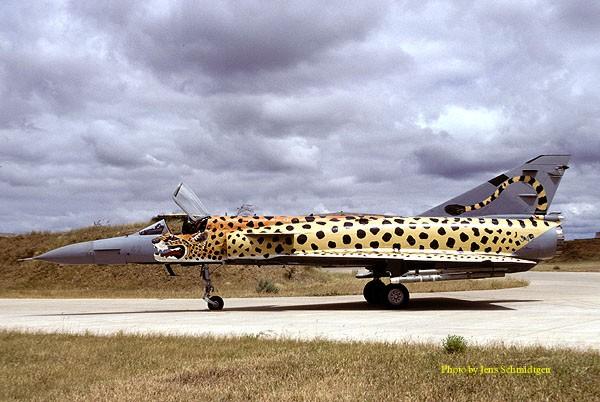
Perhaps the most remarkable aviation achievement of the sanctions era was the Cheetah programme.
Unable to purchase modern fighters, South Africa extensively upgraded existing Mirage III aircraft into an entirely new combat aircraft.
The programme produced:
Cheetah E
Cheetah D
Cheetah C
Specifications (Cheetah C)
Speed : Mach 2.2
Engine : Atar 9K50
Advanced Radar : Yes
Refuelling Probe : Yes
Modern Avionics : Yes
Improvements
Compared with the original Mirage III, the Cheetah featured:
New radar
Helmet-mounted sight
Advanced electronic warfare systems
Air-to-air refuelling capability
Improved navigation systems
Weapons
The Cheetah could employ:
V3 Kukri missiles
V4 R-Darter missiles
Precision-guided weapons
Conventional bombs
Interesting Fact
Many international observers initially underestimated the Cheetah. In reality, the later Cheetah C possessed avionics and weapons capability comparable to many fourth-generation fighters entering service elsewhere during the 1990s.
The Mirage III Family
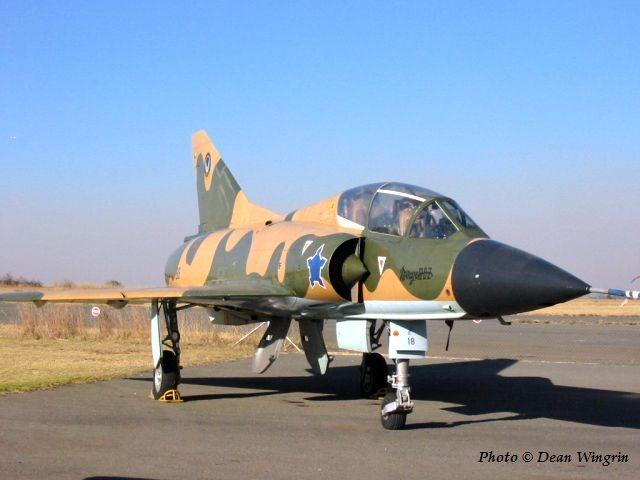
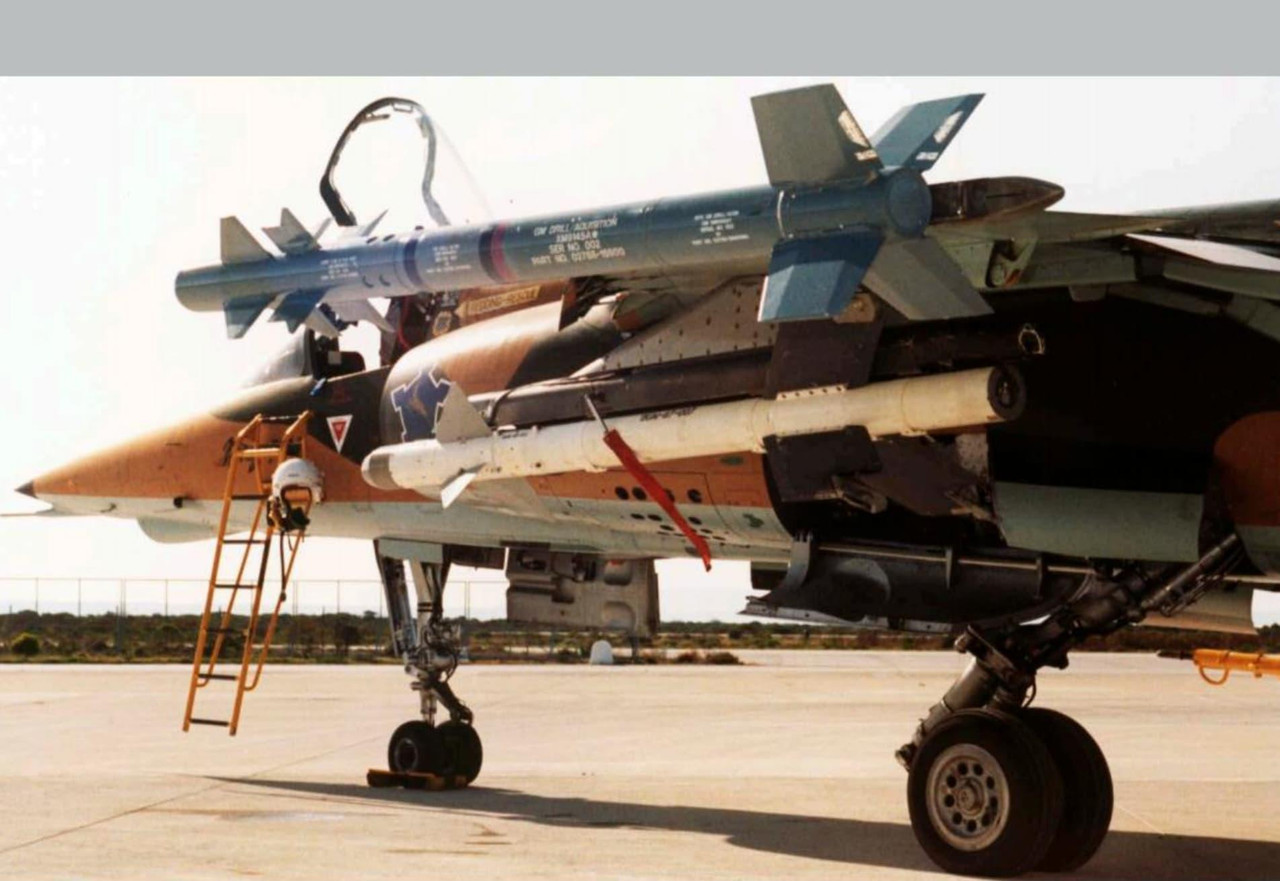
Although gradually replaced by the Cheetah, the Mirage III family remained important throughout much of the 1980s.
Variants included:
Mirage IIICZ
Mirage IIIEZ
Mirage IIIDZ
Mirage IIIRZ
Roles
Air defence
Ground attack
Reconnaissance
Pilot conversion training
Weapons
DEFA 30 mm cannon
V3 air-to-air missiles
Bombs
Rockets
The Mirage III had formed the backbone of South African fighter aviation since the 1960s and remained highly respected by SAAF pilots.
The Impala – The Unsung Hero
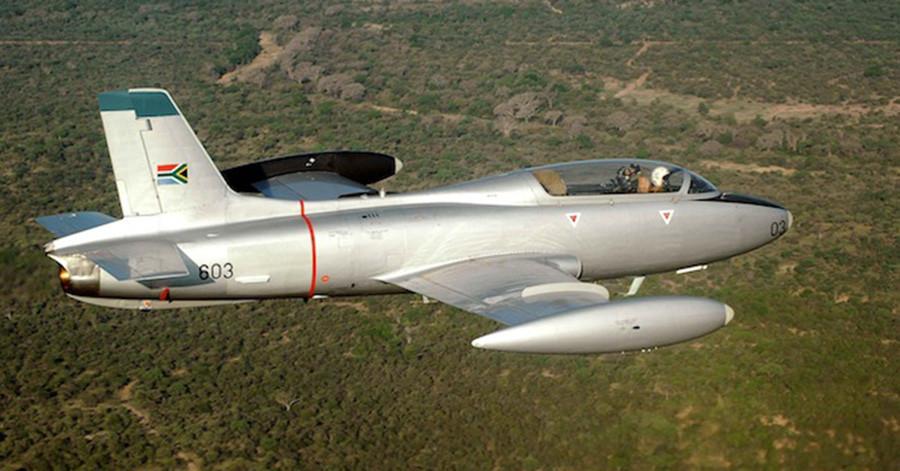
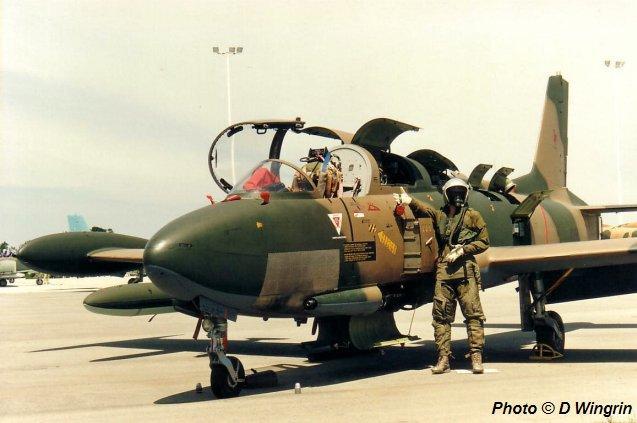
The Impala was arguably the most heavily utilised combat aircraft during the Border War.
Based on the Italian Aermacchi MB-326, it served in two primary forms:
Impala Mk I
Trainer version.
Impala Mk II
Single-seat light attack aircraft.
Specifications
Maximum Speed : 870 km/h
Crew : 1
Role : Light attack and close air support
Weapons
Twin 30 mm cannon pods
Rocket pods
Bombs
Napalm canisters
Operational Use
The Impala became famous for:
Counter-insurgency operations
Armed reconnaissance
Battlefield support
Low-level strike missions
Because of its simplicity and reliability, it often operated from austere forward bases where more advanced fighters could not.
The Buccaneer – The Heavy Hitter
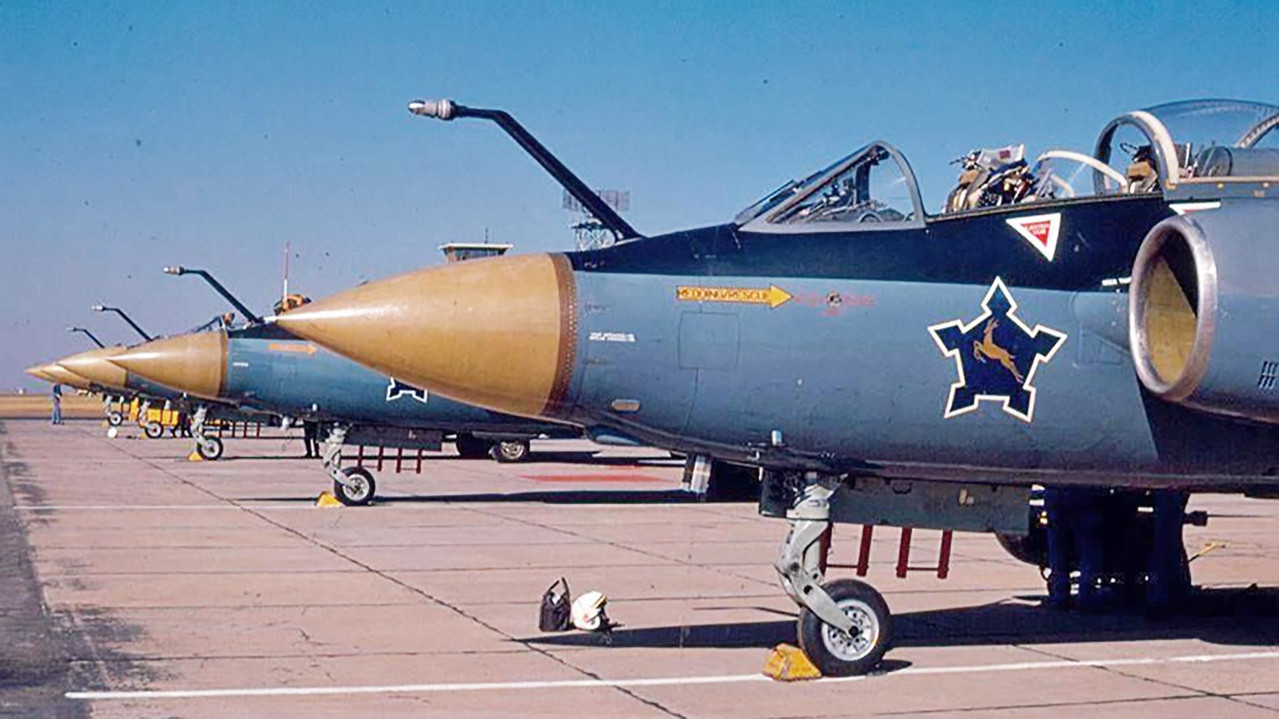
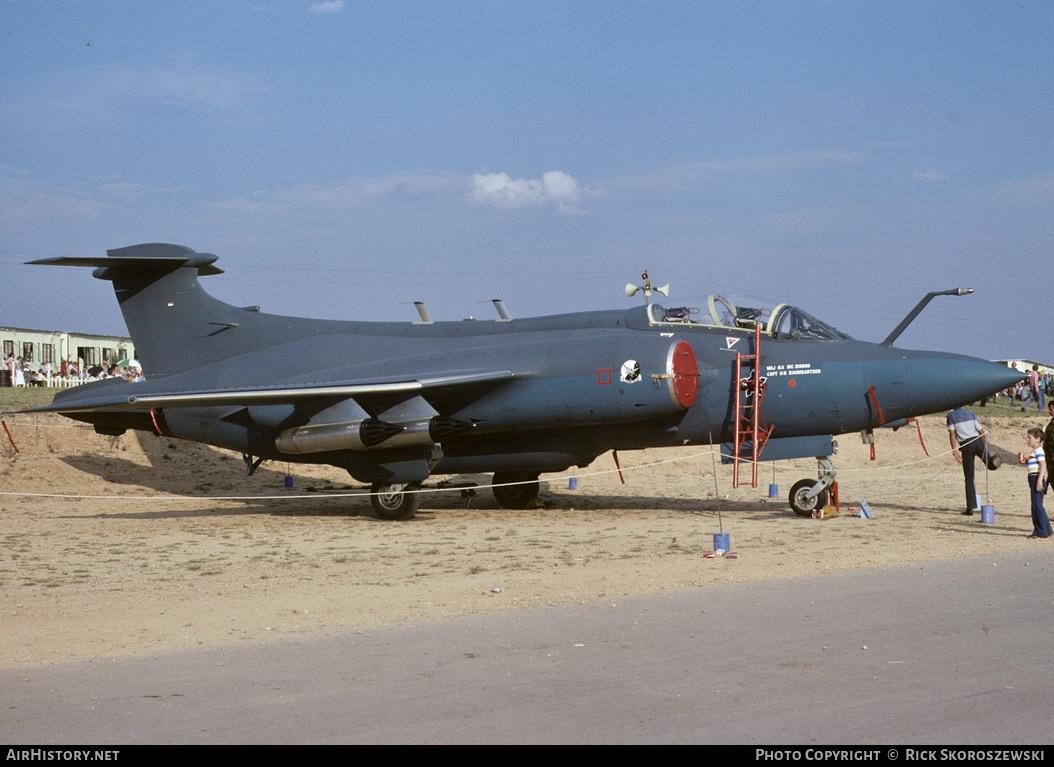
The Blackburn Buccaneer S.50 was one of the most formidable strike aircraft ever operated in Africa.
Specifications
Speed : Mach 0.95
Range : Long-range strike capability
Crew : 2
Weapons
Conventional bombs
Guided weapons
Maritime strike weapons
Rocket pods
Special Features
The South African version included:
Rocket-assisted takeoff capability
Exceptional low-level performance
Operational Role
The Buccaneer was used for:
Deep strike missions
Maritime attack
Strategic bombing
Precision strikes
Despite its age, it remained highly effective throughout the 1980s.
The Canberra – The Veteran Bomber
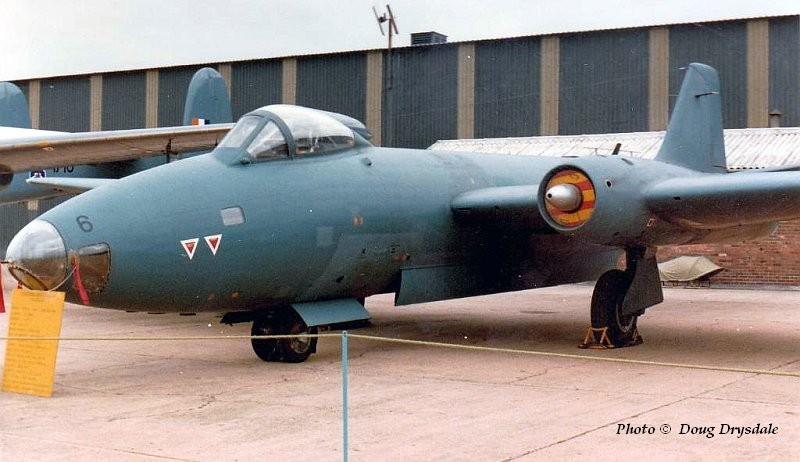
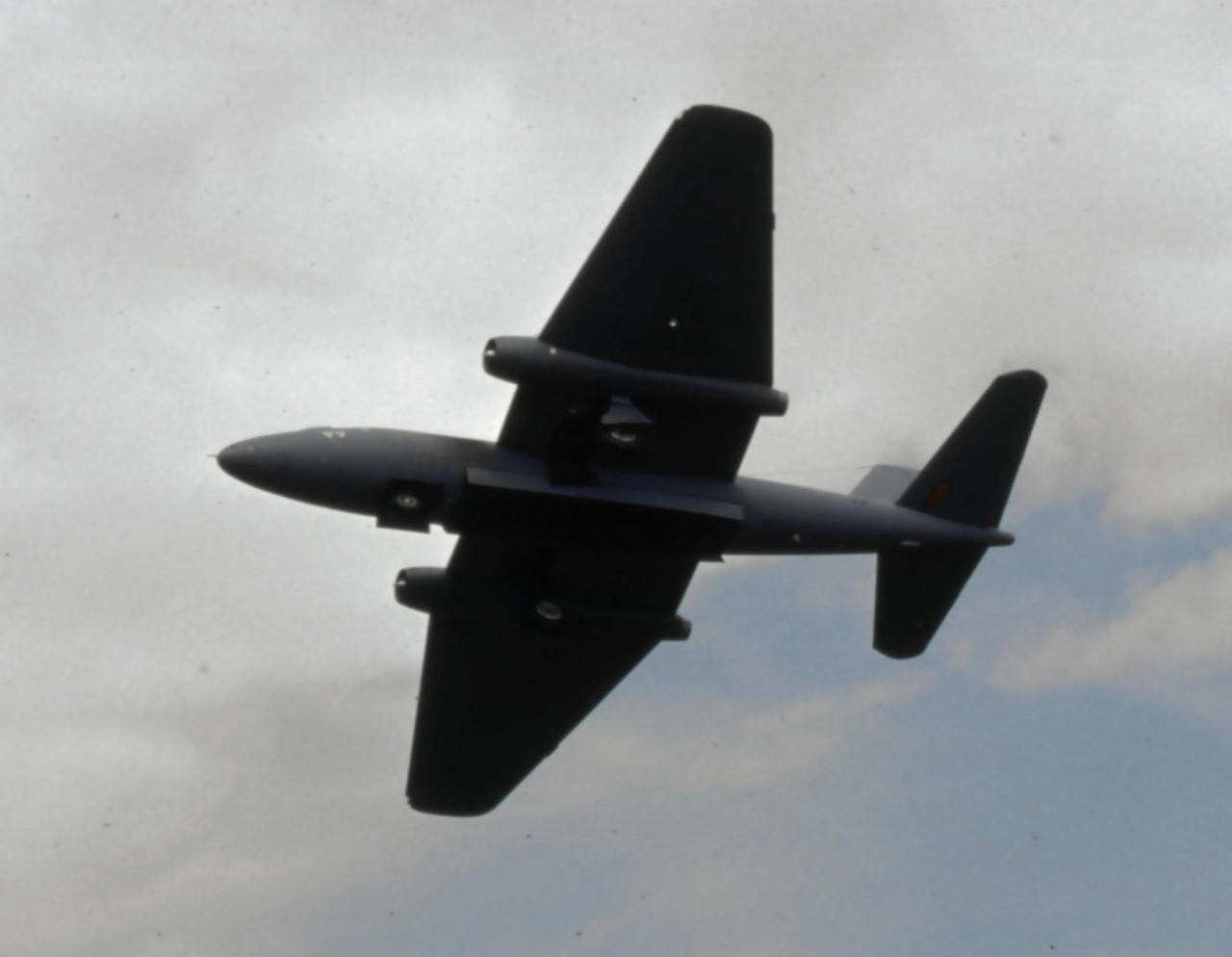
The English Electric Canberra represented an older generation of bomber aircraft but continued to serve effectively.
Roles
Strategic reconnaissance
Electronic intelligence
Long-range strike
Characteristics
Twin-engine design
High-altitude capability
Long endurance
The Canberra's reconnaissance missions often provided vital intelligence during operations in Angola.
The Helicopter Fleet
Puma and Oryx
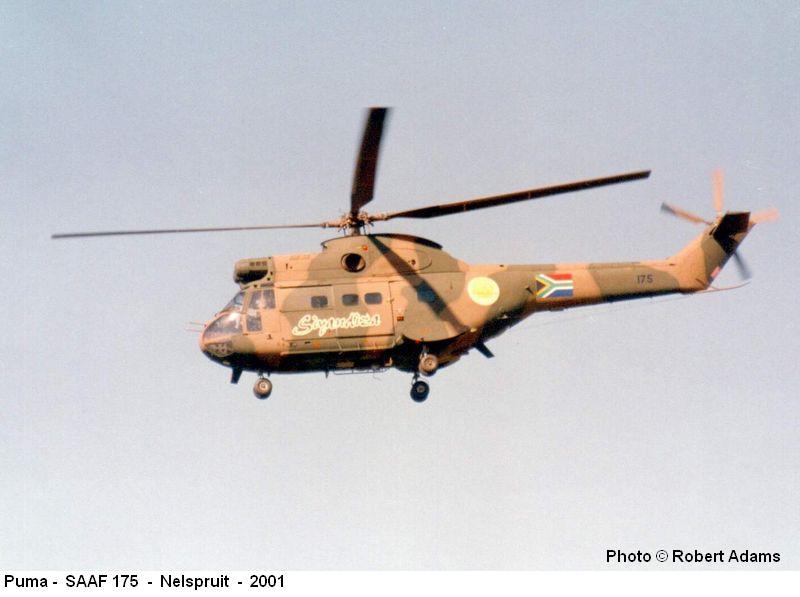
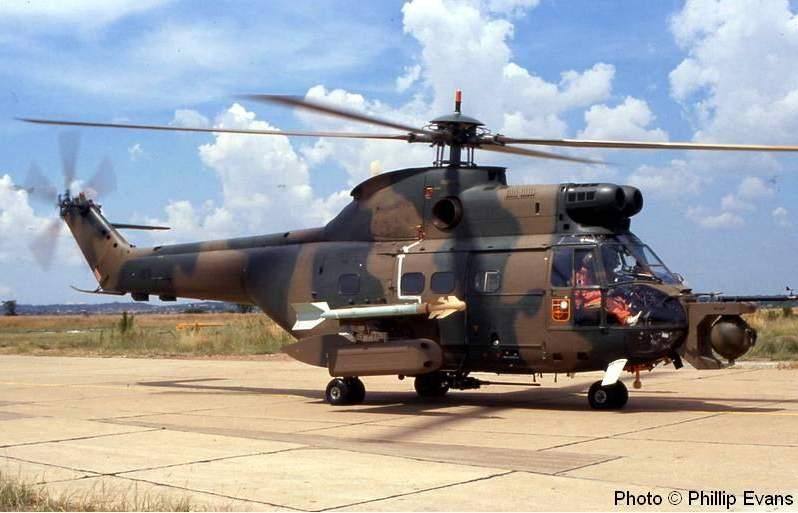
The helicopter fleet played a critical role during the Border War.
Puma
The French-built Puma became the standard battlefield transport helicopter.
Oryx
Due to sanctions, South Africa developed the Oryx as a major upgrade of the Puma.
Missions
Troop transport
Casualty evacuation
Special forces insertion
Search and rescue
Logistics support
Armament
Depending on mission:
7.62 mm machine guns
12.7 mm machine guns
Door-mounted weapons
The Oryx remains one of South Africa's most successful indigenous aviation programmes.
The Rooivalk – Africa's Attack Helicopter
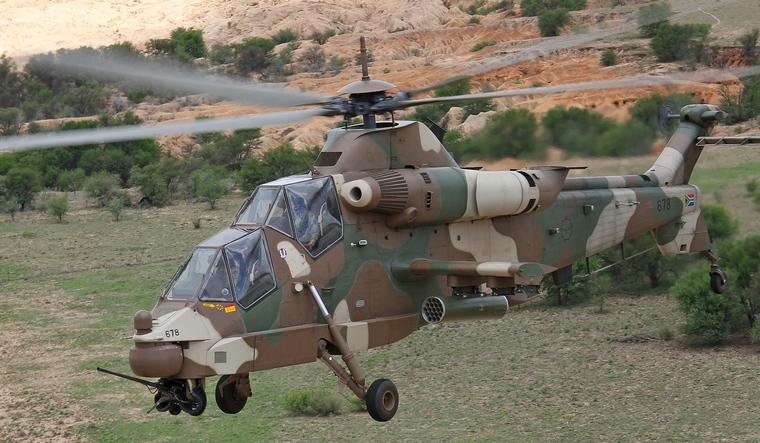
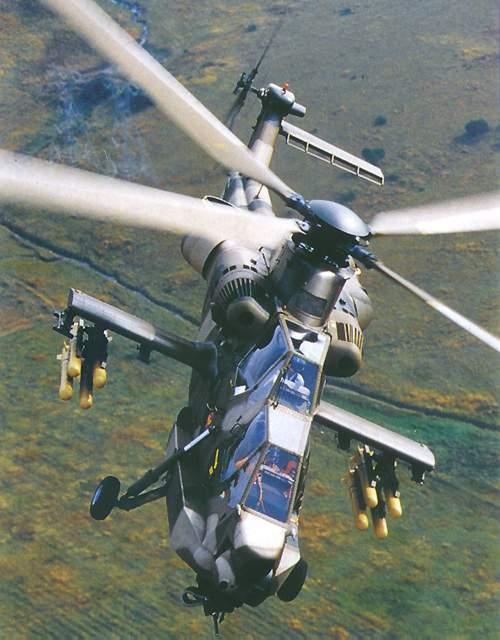
The Rooivalk project began during the 1980s and became one of South Africa's most ambitious aerospace programmes.
Intended Role
Anti-armour warfare
Close air support
Armed reconnaissance
Features
Tandem cockpit
Heavy armour protection
Advanced targeting systems
Anti-tank missile capability
Although development extended beyond 2000, the programme demonstrated South Africa's growing aerospace capabilities despite international isolation.
The Transport Fleet
C-130 Hercules
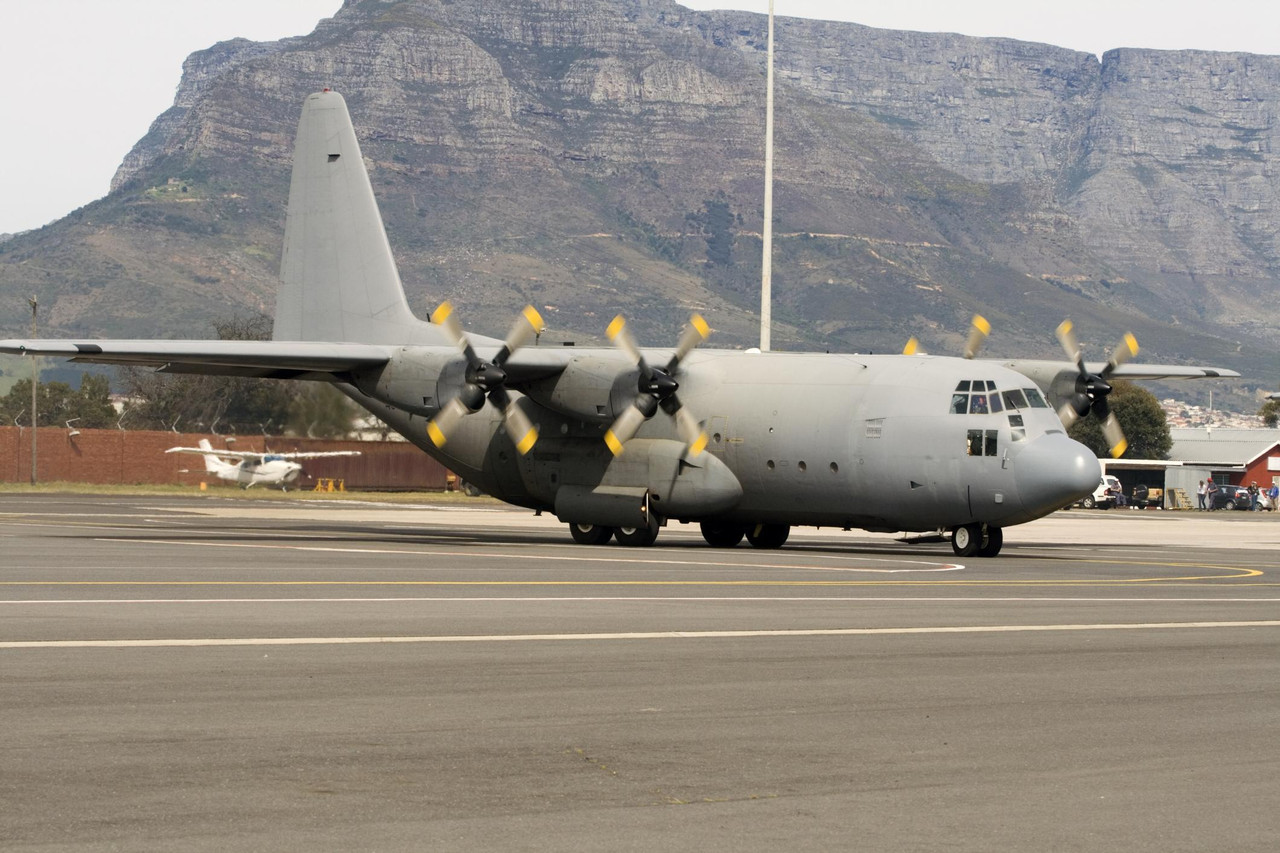
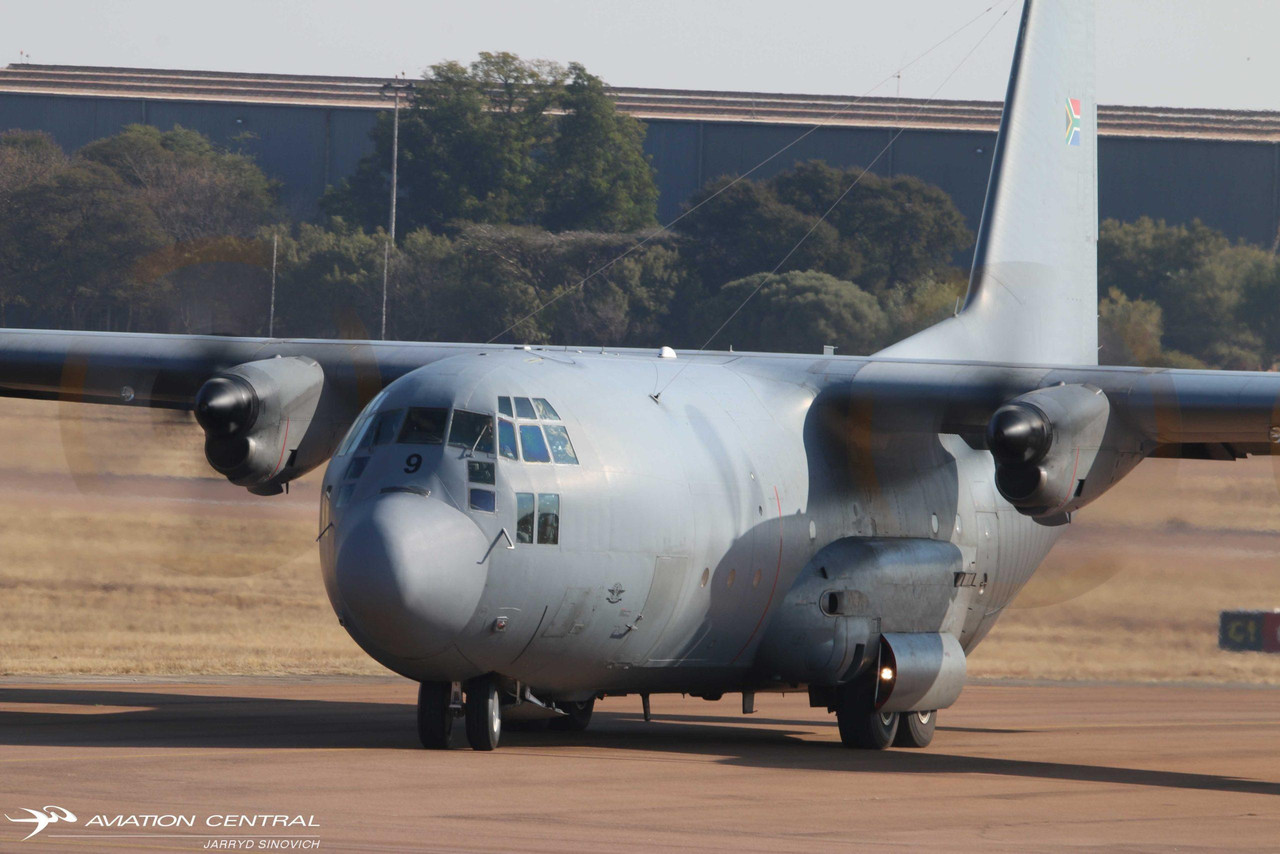
The Hercules was the backbone of strategic airlift.
Roles
Troop transport
Cargo delivery
Humanitarian operations
Parachute drops
Capacity
Over 90 troops
Heavy cargo
Vehicles and equipment
The Hercules fleet was indispensable during military operations and later humanitarian missions throughout Africa.
C-160 Transall
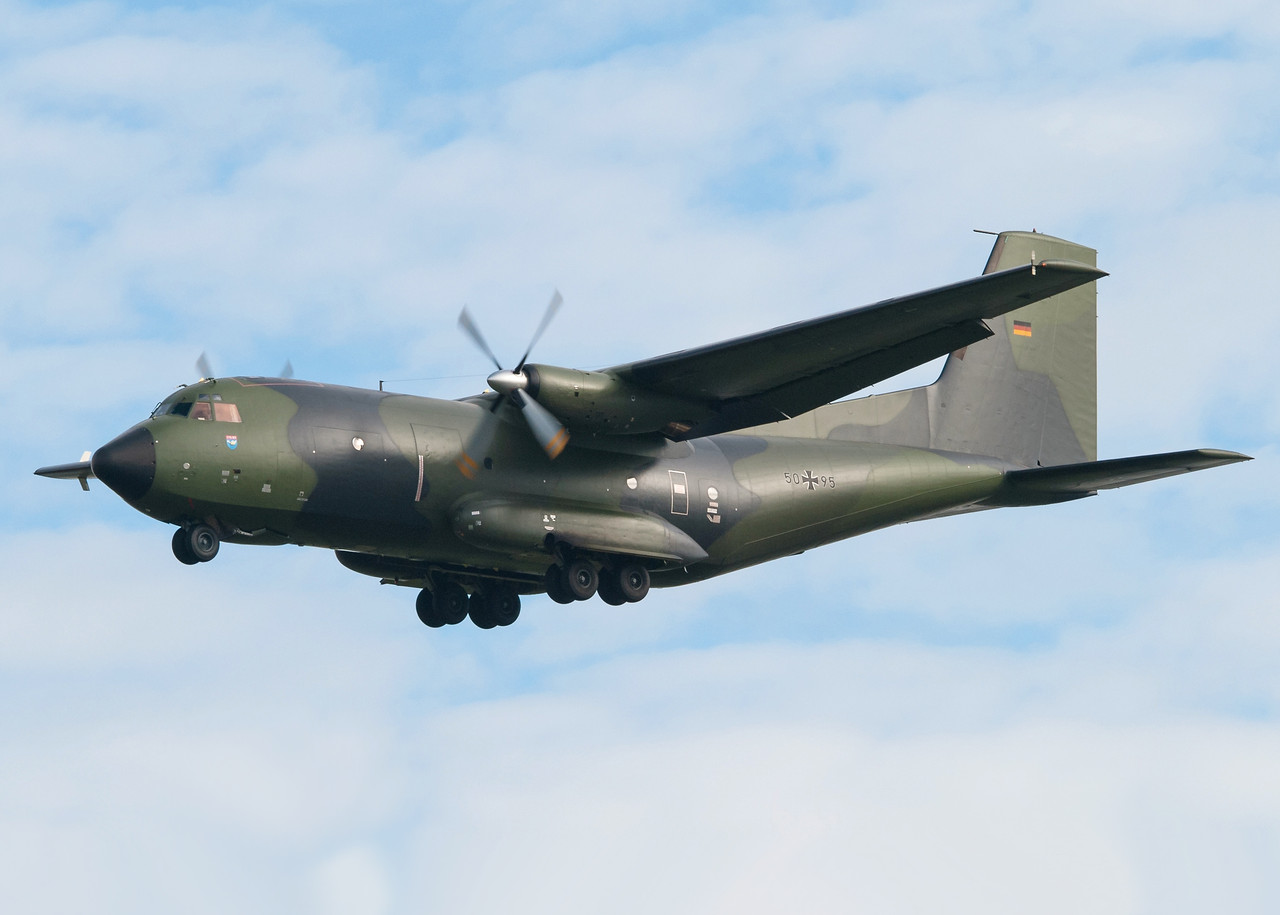
The C-160 supplemented the Hercules fleet.
Its short-field performance made it ideal for operations from remote African airstrips.
Missions
Tactical transport
Resupply operations
Battlefield logistics
Air-to-Air Weapons
One of the SAAF's greatest achievements was indigenous missile development.
V3 Kukri
The V3 Kukri became one of the most respected short-range air-to-air missiles of its era.
Features included:
High agility
Infrared guidance
Excellent dogfighting performance
V4 R-Darter
Developed during the 1990s, the R-Darter introduced beyond-visual-range capability and represented a major technological leap.
The Border War Air Campaign
The defining operational experience of the SAAF during this period was the Border War.
Aircraft conducted:
Air superiority patrols
Battlefield interdiction
Tactical reconnaissance
Helicopter assault operations
Special forces support
Key operations included:
Operation Protea (1981)
Operation Askari (1983–84)
Operation Modular (1987)
Operation Hooper (1987–88)
Operation Packer (1988)
These operations exposed SAAF crews to sophisticated Soviet-designed air defence systems and fighter aircraft, providing a level of combat experience rarely seen among Western air forces of the period.
Transformation After 1994
Following South Africa's democratic transition, the SAAF entered a new era.
Priorities shifted toward:
Peacekeeping support
Regional cooperation
Humanitarian assistance
International exercises
Modernisation planning
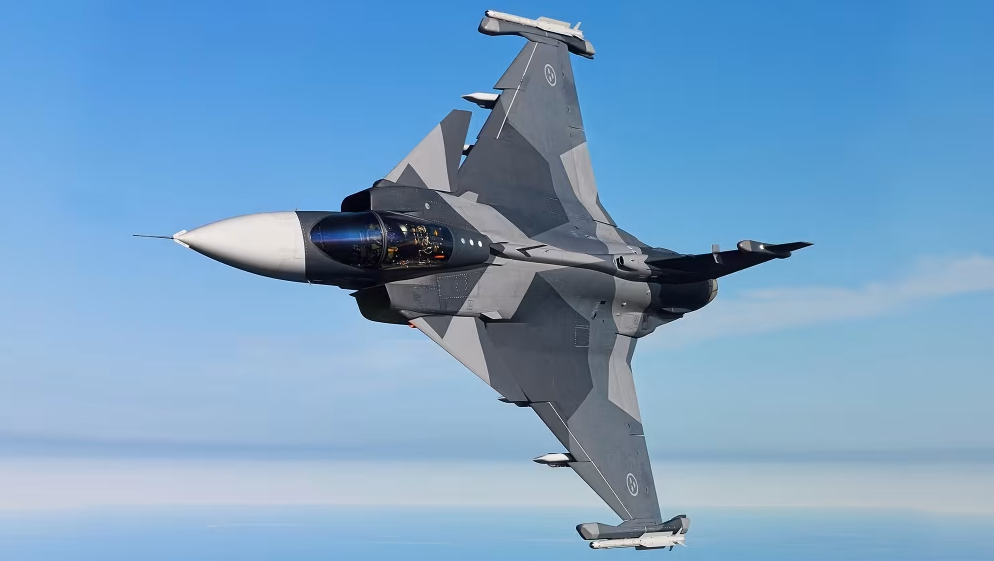
Many older aircraft began retirement while plans were made to acquire:
Saab Gripen fighters
Hawk trainers
.jpg)
Agusta A109 helicopters
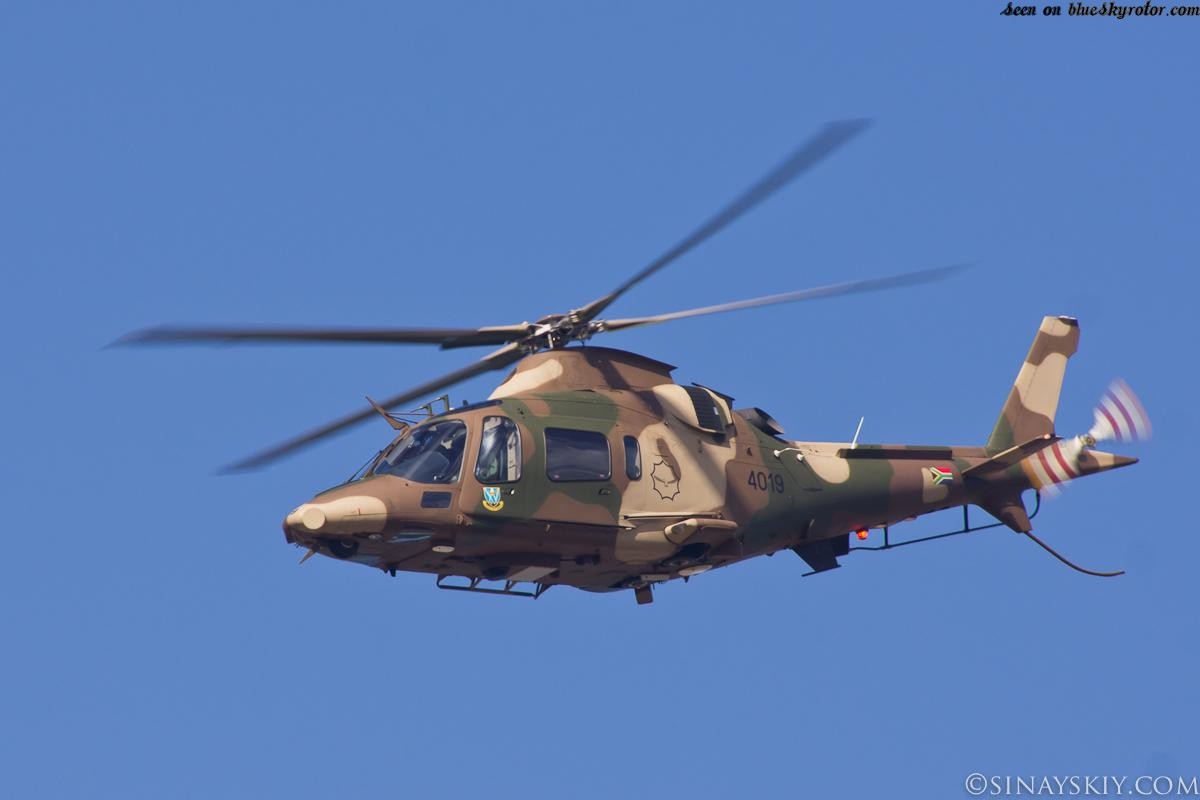
These would enter service after 2000 and reshape the Air Force for the 21st century.
Legacy of the 1980–2000 SAAF
The South African Air Force of this period was one of the most combat-experienced air arms outside the major NATO and Warsaw Pact powers.
Its strengths included:
Highly skilled pilots
Extensive combat experience
Innovative local aerospace industry
Advanced indigenous weapons development
Effective adaptation to international sanctions
Perhaps most remarkably, the SAAF maintained a credible and technologically sophisticated force despite decades of international isolation. By 2000, it had successfully transitioned from a Cold War combat air force into a modern regional air arm, laying the foundations for the Gripen, Hawk and Rooivalk era that would follow.