The South African Navy (1980–2000): Ships, Weapons, Operations and the End of an Era
The period between 1980 and 2000 was one of the most fascinating and challenging eras in the history of the South African Navy (SAN). During these two decades, the Navy transitioned from the isolation of the apartheid years to becoming an internationally recognised maritime force after South Africa's democratic transition in 1994.
This period saw the final service of the Navy's British-built frigates, the rise of the missile-armed strike craft fleet, the continued operation of French submarines, and the introduction of South Africa's largest indigenous warship, the replenishment vessel SAS Drakensberg. The Navy evolved from a Cold War coastal defence force into a modern maritime service capable of regional diplomacy and long-range deployments.
Strategic Background
During the 1980s, South Africa faced international sanctions and an arms embargo. As a result, the Navy could not easily acquire new foreign warships and was forced to rely heavily on local industry and innovative upgrades to existing vessels.
The Navy's primary missions included:
Protection of South African territorial waters
Surveillance of shipping lanes around the Cape Sea Route
Support of military operations linked to the Border War
Anti-submarine warfare
Maritime patrol and interdiction
Training and diplomatic missions
Following 1994, the Navy increasingly focused on international exercises, regional cooperation, and maritime diplomacy.
The President-Class Frigates
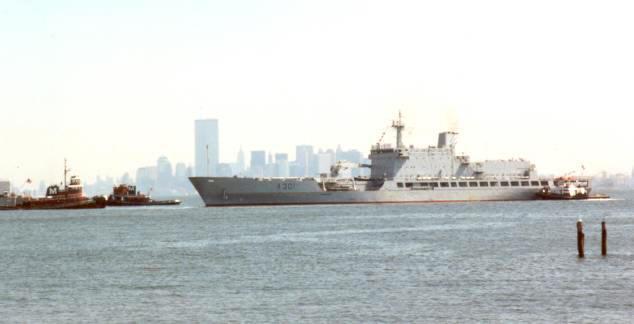
SAS President Kruger
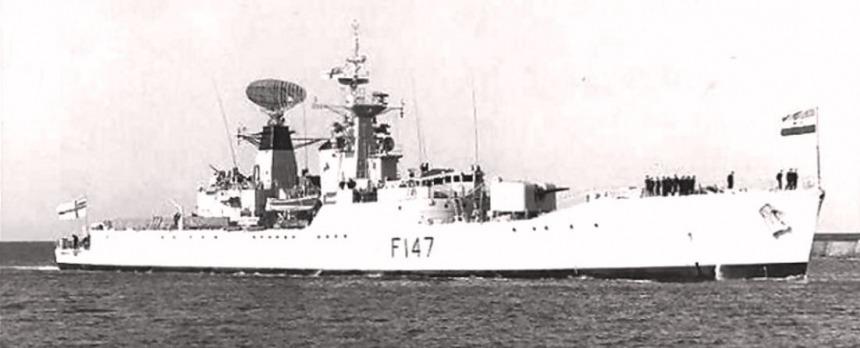
SAS President Steyn
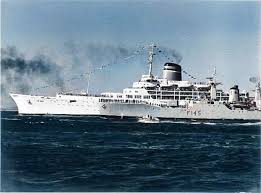
SAS President Pretorius
The backbone of the South African Navy during the early 1980s was the President-class frigate fleet.
These ships were British-built Rothesay (Type 12M) anti-submarine frigates acquired during the 1960s.
Ships
SAS President Kruger
SAS President Steyn
SAS President Pretorius
Specifications
Characteristic Details
Length : 112.8m
Displacement : ~2,200 tons
Speed : 30 knots
Crew : About 214
Main Role: Anti-submarine warfare
Armament
The modernised frigates carried:
Twin 4.5-inch (114 mm) gun turret
Twin 40 mm Bofors anti-aircraft gun
Limbo anti-submarine mortars
Sonar systems
Westland Wasp anti-submarine helicopter and hangar facilities
Layout
The ships featured:
Forward twin 4.5-inch gun turret
Central bridge and operations room
Funnel amidships
Helicopter hangar and flight deck aft
Limbo mortar positions on the quarterdeck
The helicopter capability greatly extended the ships' anti-submarine reach.
The Loss of SAS President Kruger
One of the most tragic events in SAN history occurred on 18 February 1982.
During a night exercise, SAS President Kruger collided with the replenishment ship SAS Tafelberg and sank. Sixteen sailors lost their lives. The accident effectively ended the operational future of the frigate force.
End of Service
President Kruger lost in 1982
President Pretorius decommissioned in 1985
President Steyn decommissioned in 1990
After 1990 the SAN no longer possessed frigates until the arrival of the MEKO A-200 frigates in the 2000s.
The Minister / Warrior-Class Strike Craft
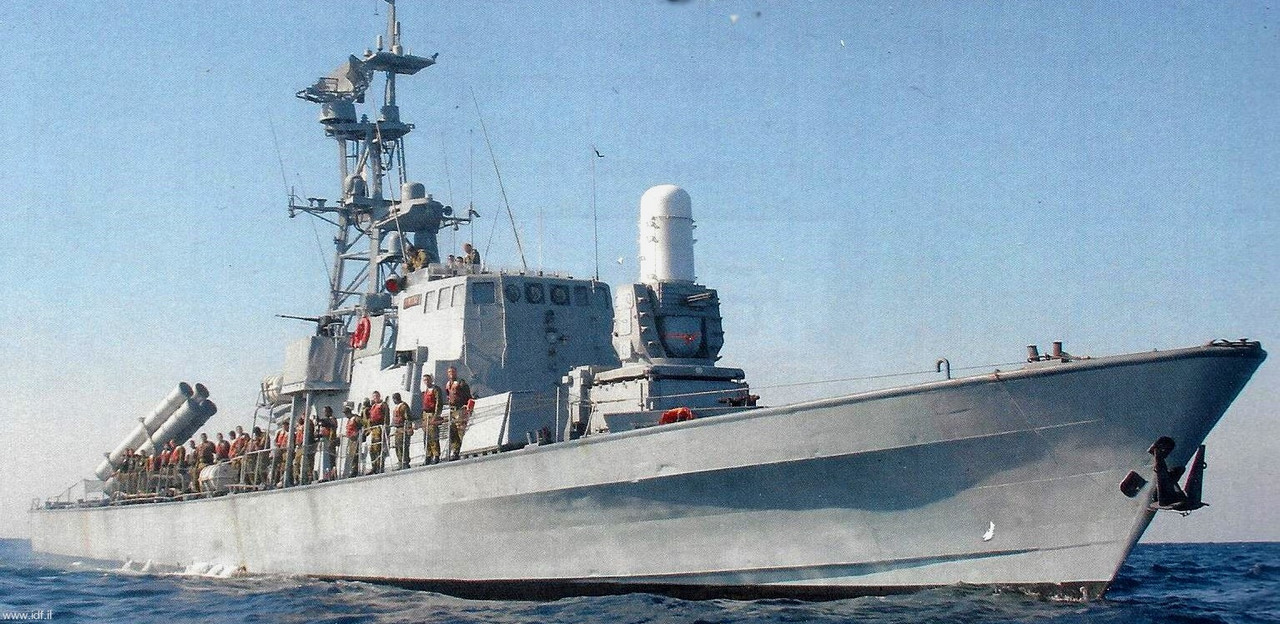
SAS Jan Smuts
SAS Hendrik Mentz
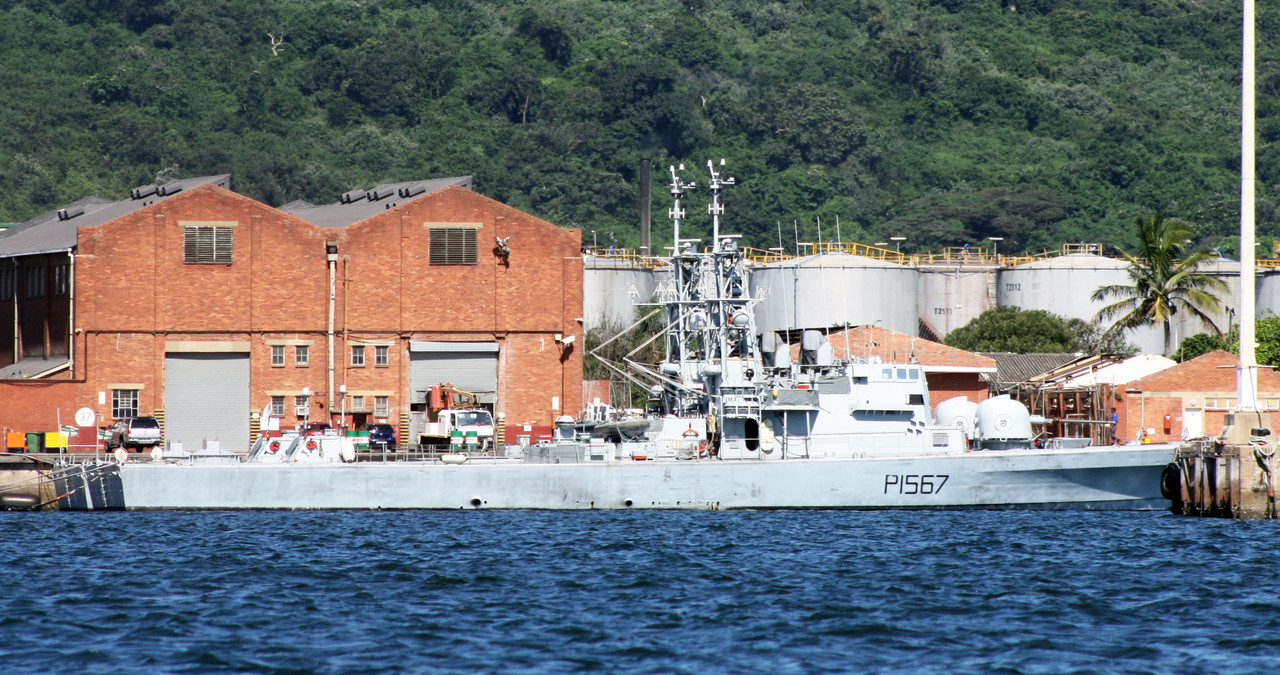
SAS Jim Fouche
These vessels became the true combat backbone of the South African Navy during the 1980s and 1990s.
Based on the Israeli Sa'ar 4 missile boat design, nine vessels entered service between 1977 and 1985. Originally called the Minister Class, they were renamed the Warrior Class after 1994.
Typical Ships
Before 1994:
SAS Jan Smuts
SAS Hendrik Mentz
SAS Jim Fouche
After 1994 many received new names reflecting South Africa's broader heritage.
Specifications
Characteristic Details
Length : 58m
Displacement : 450 tons
Speed : 30+ knots
Crew : Approximately 45
Weapons
The strike craft packed enormous firepower for their size:
OTO Melara 76 mm naval gun forward
Secondary 76 mm gun aft
Up to eight Skerpioen anti-ship missiles
20 mm cannon
Electronic warfare systems
These ships could launch devastating anti-ship missile attacks against larger warships.
Layout
The layout followed the classic missile boat concept:
Main gun on the bow
Bridge and mast amidships
Missile launchers along the sides
Rear gun mount
Compact engine rooms with high-speed diesel propulsion
Operational Importance
Throughout the 1980s and 1990s these vessels were:
The SAN's primary strike capability
Coastal patrol ships
Exercise participants
Diplomatic visitors
For nearly three decades they formed the Navy's frontline combat force.
The Daphné-Class Submarines
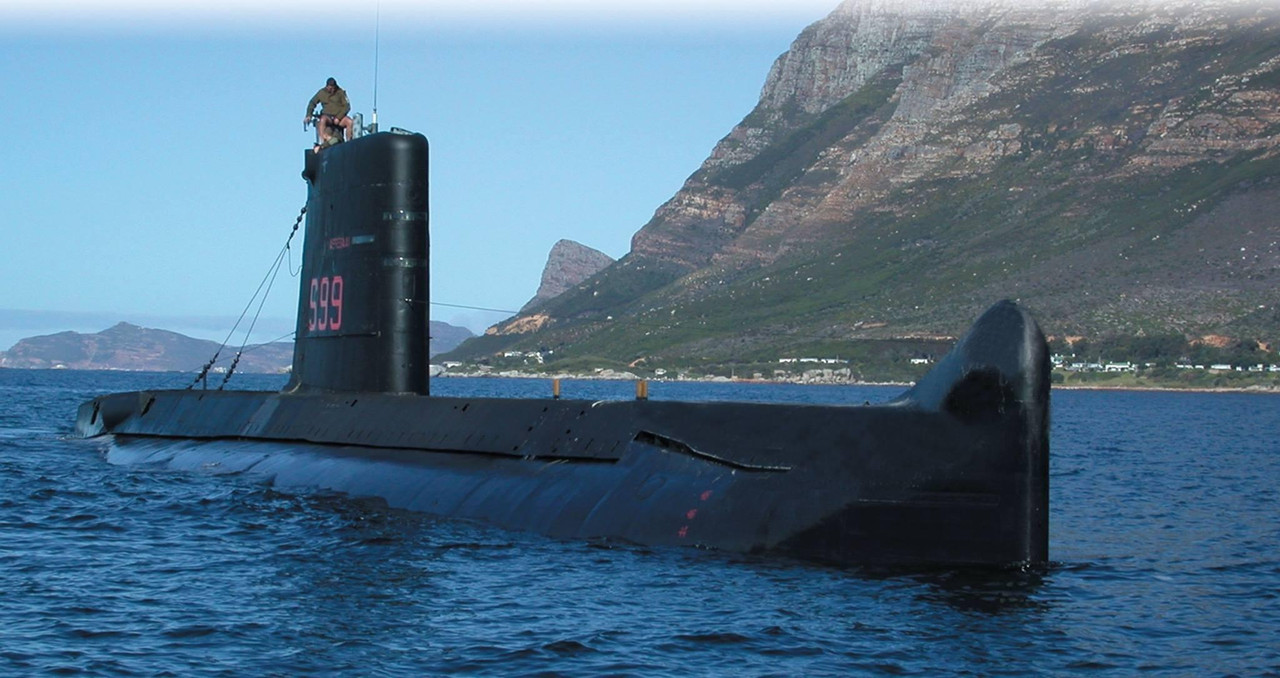
SAS Assegaai
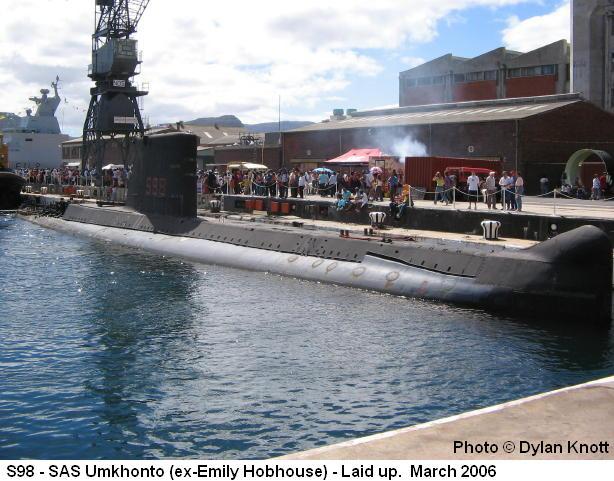
SAS Umkhonto
The SAN's underwater force during this period consisted of French-built Daphné-class submarines.
Boats
SAS Spear
SAS Assegaai
SAS Umkhonto
Specifications
Characteristic Details
Length : 57.75m
Submerged Displacement : ~1,000 tons
Speed : 16 knots submerged
Crew : 45–50
Armament
533 mm torpedoes
Anti-shipping capability
Intelligence gathering capability
Layout
The Daphné design featured:
Bow torpedo room
Central control room
Battery compartments
Diesel engines aft
Electric propulsion when submerged
Role
The submarines provided:
Strategic deterrence
Sea denial capability
Intelligence collection
Anti-shipping operations
Despite their age, they remained effective through the 1990s and were only replaced after 2000 by the German Type 209 submarines.
SAS Tafelberg – The Fleet's Workhorse
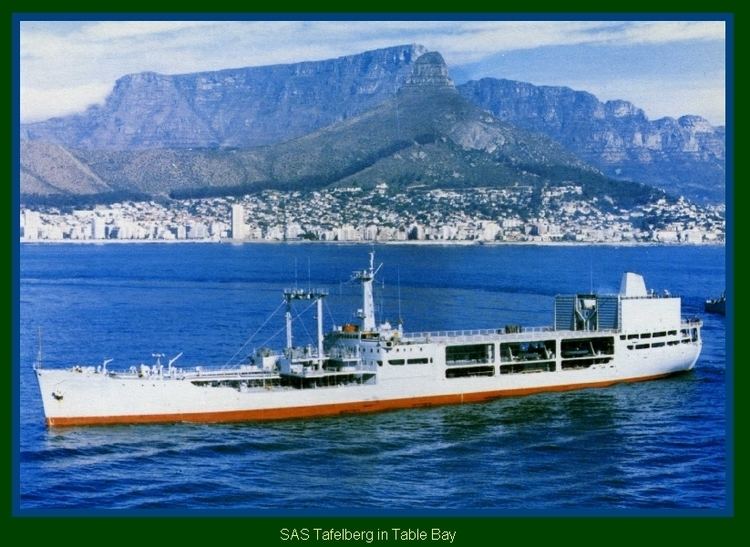
SAS Tafelberg
Before SAS Drakensberg entered service, the Navy relied heavily on:
SAS Tafelberg
Originally a commercial tanker, Tafelberg was converted into a replenishment vessel capable of supporting fleet operations at sea.
Functions
Refuelling warships at sea
Carrying stores and ammunition
Supporting amphibious operations
Helicopter operations
Interesting Features
Following a major rebuild in the 1980s she gained:
Two helicopter hangars
Marine accommodation
Hospital facilities
Landing craft capability
This effectively transformed her into a small amphibious support ship.
Nickname
Sailors affectionately called her: "Mama Tafies" because she supported almost every major fleet deployment.
End of Service
Tafelberg was scrapped in 1993 after almost three decades of service.
SAS Drakensberg – South Africa's Largest Warship
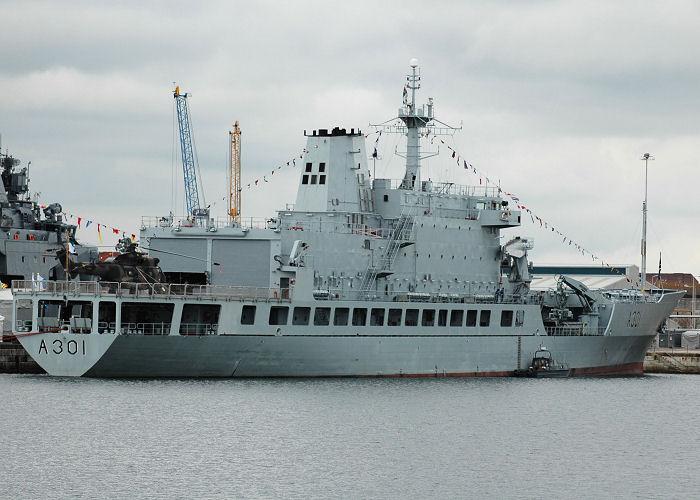
SAS Drakensberg
Commissioned in 1987, SAS Drakensberg became the pride of the South African Navy. It remains one of the most significant naval vessels ever built in South Africa.
Specifications
Characteristic Details
Length : 147m
Full Load Displacement : 12,500 tons
Speed : 21 knots
Helicopters : Two Oryx helicopters
Weapons
Four Oerlikon 20 mm cannon
Multiple Browning machine guns
Capacity
Drakensberg could carry:
5,500 tons of fuel
Fresh water
Food
Ammunition
Cargo containers
She was effectively a floating logistics base.
Layout
Large bridge forward
Extensive replenishment stations amidships
Twin helicopter hangars aft
Large cargo handling cranes
Diplomatic Missions
After sanctions eased, Drakensberg became a symbol of South Africa's return to the world.
She visited:
Taiwan
Zaire
United States
South America
These voyages became examples of "grey diplomacy"—using naval deployments to build international relationships.
SAS Protea – The Silent Specialist
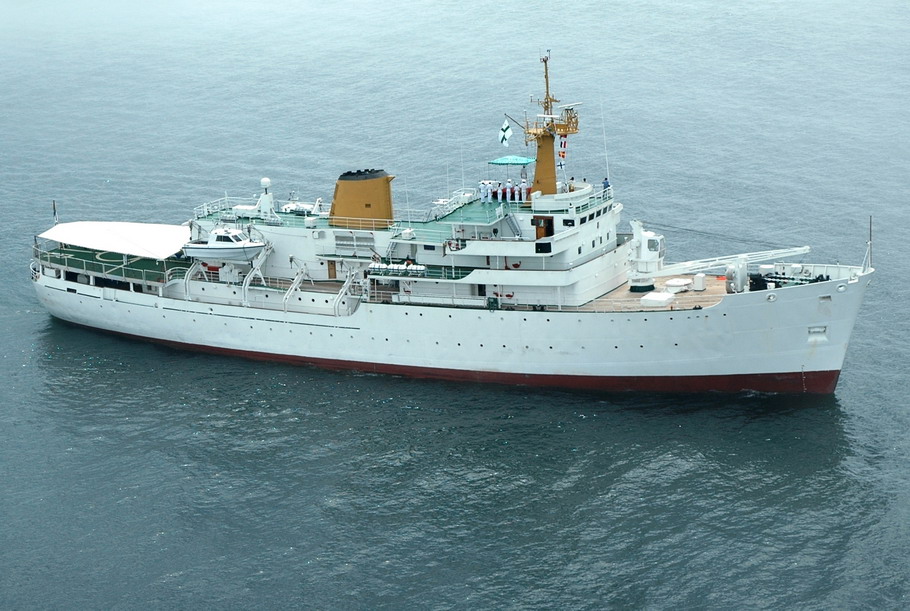
SAS Protea
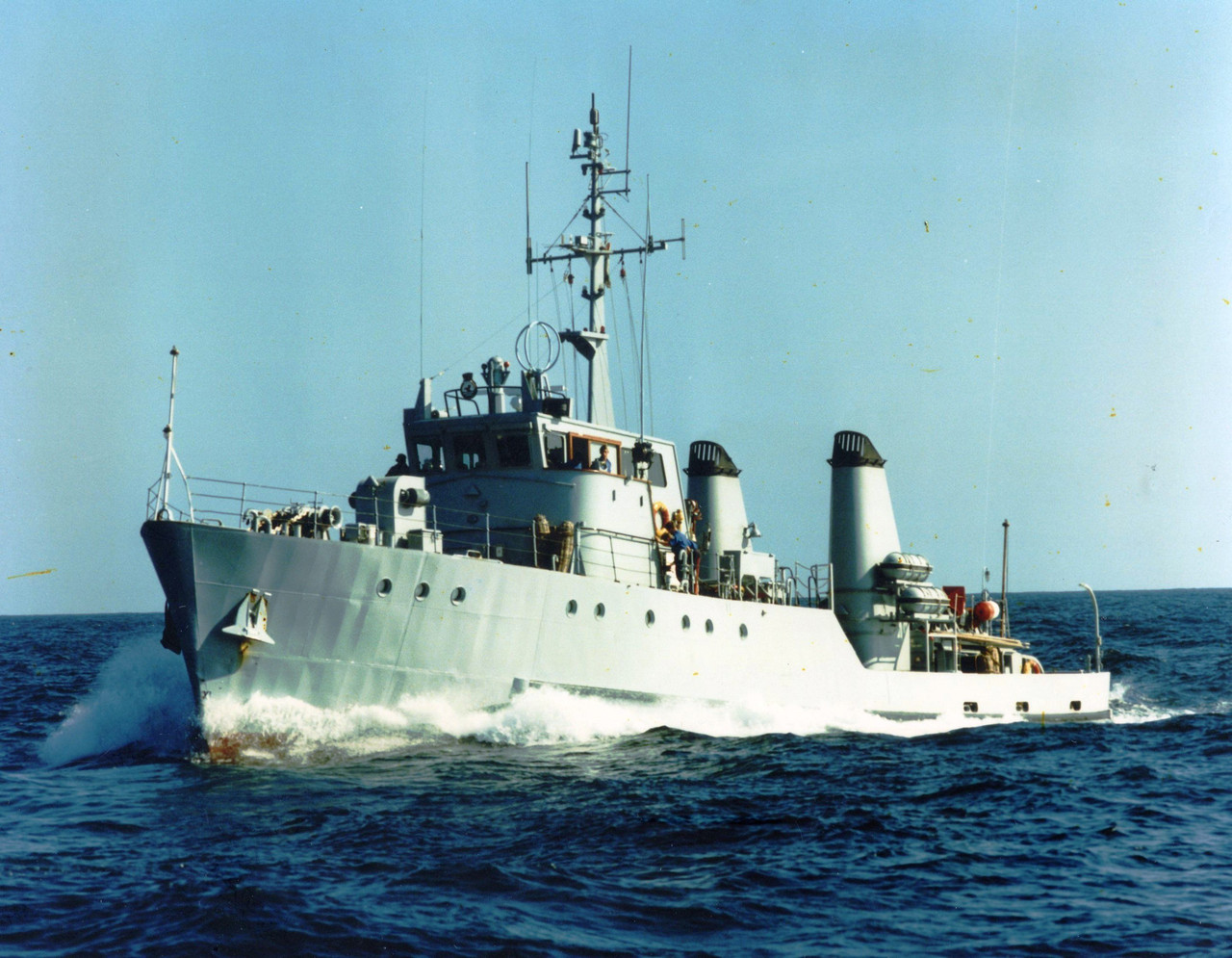
SAS Protea was perhaps the least glamorous but one of the most important ships in the fleet.
Commissioned in 1972, she spent the 1980–2000 period surveying South African waters and producing nautical charts.
Unique Characteristics
Painted white instead of naval grey
Ice-strengthened hull
Hydrographic survey equipment
Search and rescue capability
Importance
Without Protea, the Navy and merchant marine would lack accurate charting information for South African waters.
The Navy in Transition (1994–2000)
The end of apartheid dramatically changed the Navy's mission.
Instead of preparing primarily for coastal defence, the SAN began:
Participating in multinational exercises
Conducting diplomatic deployments
Cooperating with African nations
Planning fleet modernisation
The 1999 Strategic Defence Procurement Package ultimately led to:
MEKO A-200 frigates
Type 209 submarines
Both would enter service after 2000 and transform the Navy once again.
Legacy of the 1980–2000 Fleet
The South African Navy of this era was smaller than many Western navies but possessed several unique strengths:
Highly capable missile strike craft
Well-trained submarine crews
Long-range replenishment capability
Strong local shipbuilding expertise
Ability to operate despite international isolation
Perhaps the most remarkable aspect of the period was how the Navy maintained a credible maritime force despite sanctions, limited budgets, and political upheaval. By 2000, the SAN had successfully navigated the transition from an isolated Cold War navy to a modern regional maritime force—setting the stage for the advanced frigates and submarines that would follow in the 21st century.