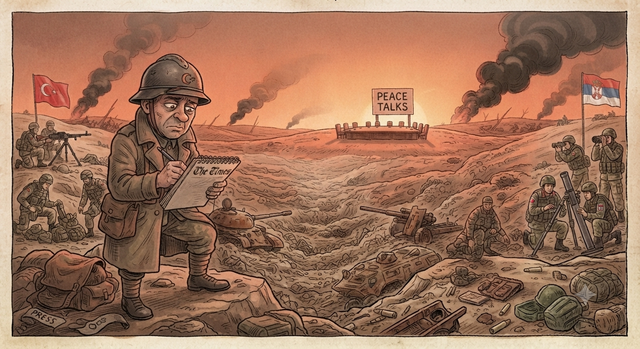
Turkey–Serbia War: Both Sides Defend Their Positions as Door to Negotiations Remains Open
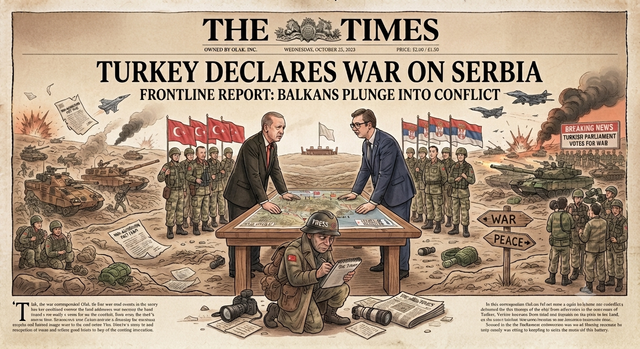
The latest conflict between Turkey and Serbia has intensified following Turkey's declaration of war, with leaders from both nations offering sharply different explanations for why fighting resumed. Interviews conducted with officials from both sides reveal competing narratives over diplomacy, security, and strategic interests, while both governments maintain that their actions were taken to protect national interests.
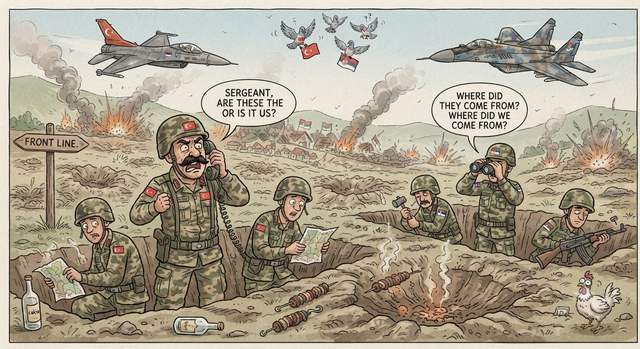
Turkey says the latest offensive was not launched to seize territory but to address what it viewed as a growing strategic imbalance. According to Turkish officials, Serbia's increasing economic strength was becoming a long-term security concern. They argued that delaying action would only allow Serbia to strengthen its position further, leaving Turkey at a greater disadvantage in the future.

Turkey also stated that it attempted to prevent the conflict through diplomacy before military action was taken. According to Turkish officials, they proposed a Non-Aggression Pact (NAP) designed to establish a fair balance between both nations. Turkey claims the proposal was rejected while Serbia continued to strengthen its military and economic position.

Serbia confirmed that Turkey presented a peace proposal but disputed Turkey's account of the negotiations. Serbian officials said they rejected the offer because its terms were unacceptable from the outset. However, when asked whether this meant Turkey had intended to go to war from the beginning, the Serbian leadership declined to make that accusation directly, saying they could not confirm it.
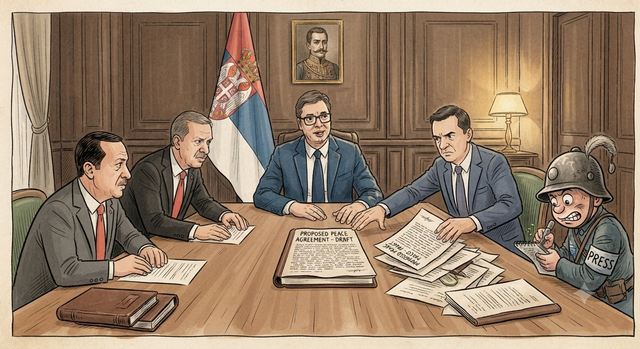
The two governments also disagree on what caused relations to deteriorate. Serbia argues that trust was broken when Turkey ended its alliance with Romania and launched attacks on Romanian territory. Turkish officials, meanwhile, maintain that their actions were driven by national security concerns and the need to prevent a growing strategic disadvantage.
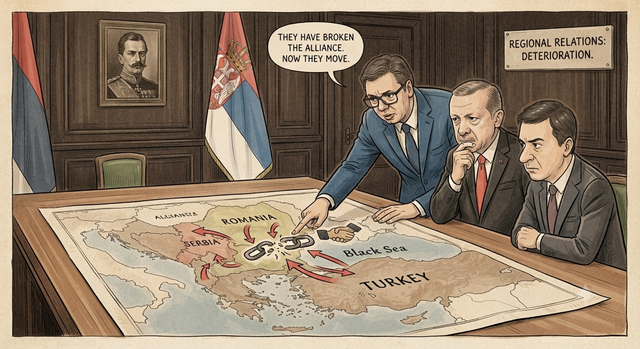
Despite their disagreements, both governments acknowledge that diplomacy remains possible. Turkey says it is willing to negotiate if there are credible guarantees for regional security and mutual respect. Serbia also maintains that it is prepared to participate in fair and honest negotiations if acceptable terms can be reached.
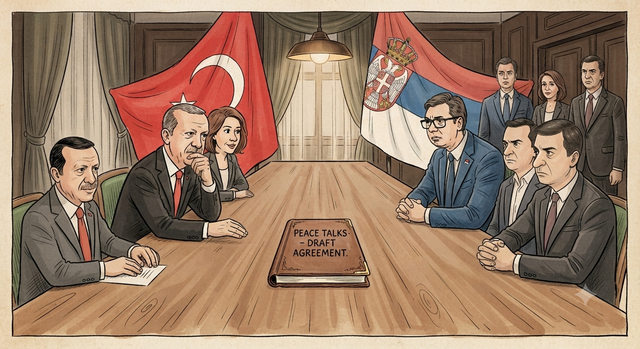
Turkey insists that its military campaign is aimed at protecting national security rather than expanding its territory. Officials say the objective is to eliminate perceived threats, restore regional stability, and ensure that future disputes can be resolved from a stronger strategic position.
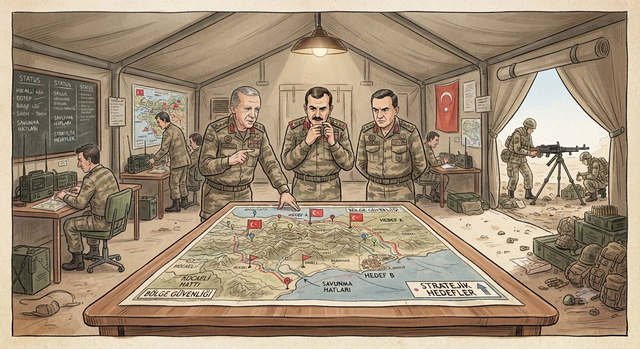
Serbian officials reject Turkey's justification for the conflict, arguing that previous Turkish actions damaged trust between the two nations. They believe lasting peace will only be possible if future agreements are respected and honoured by all parties.
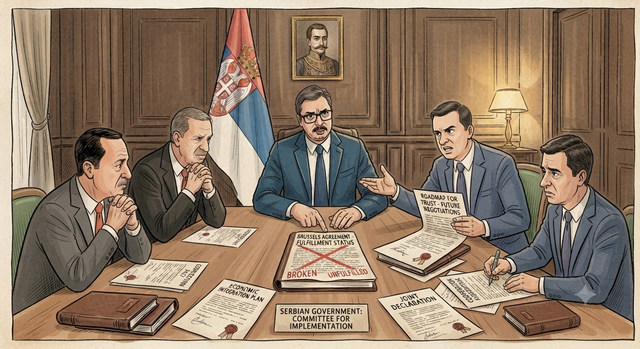
The interviews also revealed an important point of agreement. Although both governments blame each other for the deterioration in relations, neither side has ruled out diplomacy. Officials from Turkey and Serbia each stated that they remain open to negotiations under what they consider fair conditions.
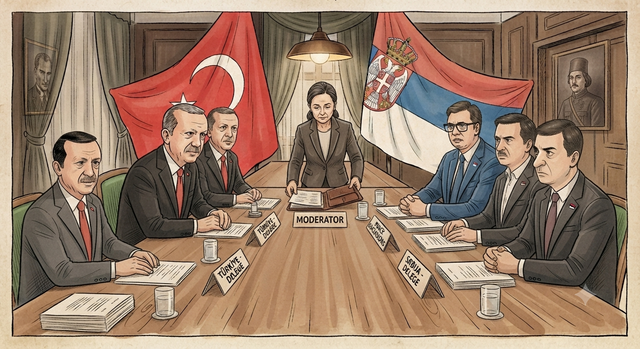
For now, fighting continues as both sides defend their military and political decisions. While the conflict remains active, statements from both governments suggest that the possibility of a negotiated settlement still exists if both nations can agree on mutually acceptable terms.
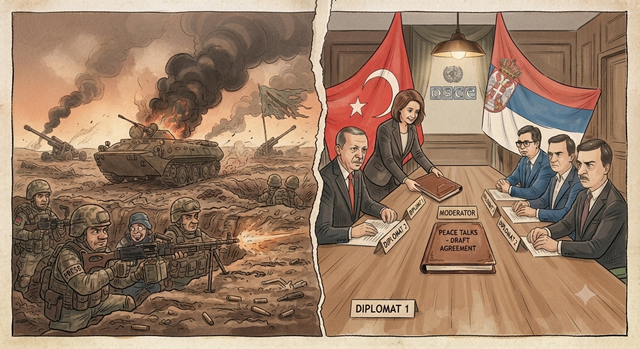
As the conflict enters its next phase, neither government appears willing to back down. Turkey maintains that its actions were necessary to protect its strategic interests, while Serbia insists that trust must first be restored before lasting peace can be achieved. For now, both sides remain committed to defending their positions on and off the battlefield.
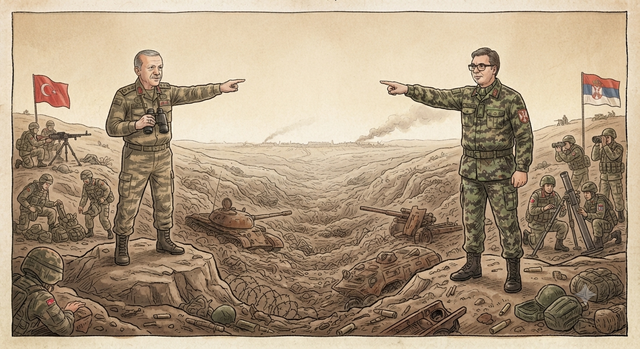
Whether this war ends through military victory or diplomatic compromise remains uncertain. What is clear, however, is that the conflict has become one of the defining confrontations of the current era. Until an agreement is reached, the region remains on edge, with every decision on the battlefield carrying consequences far beyond the front lines.