Two Models, One Continent: The Spanish Legacy vs. The English Model - English Ver
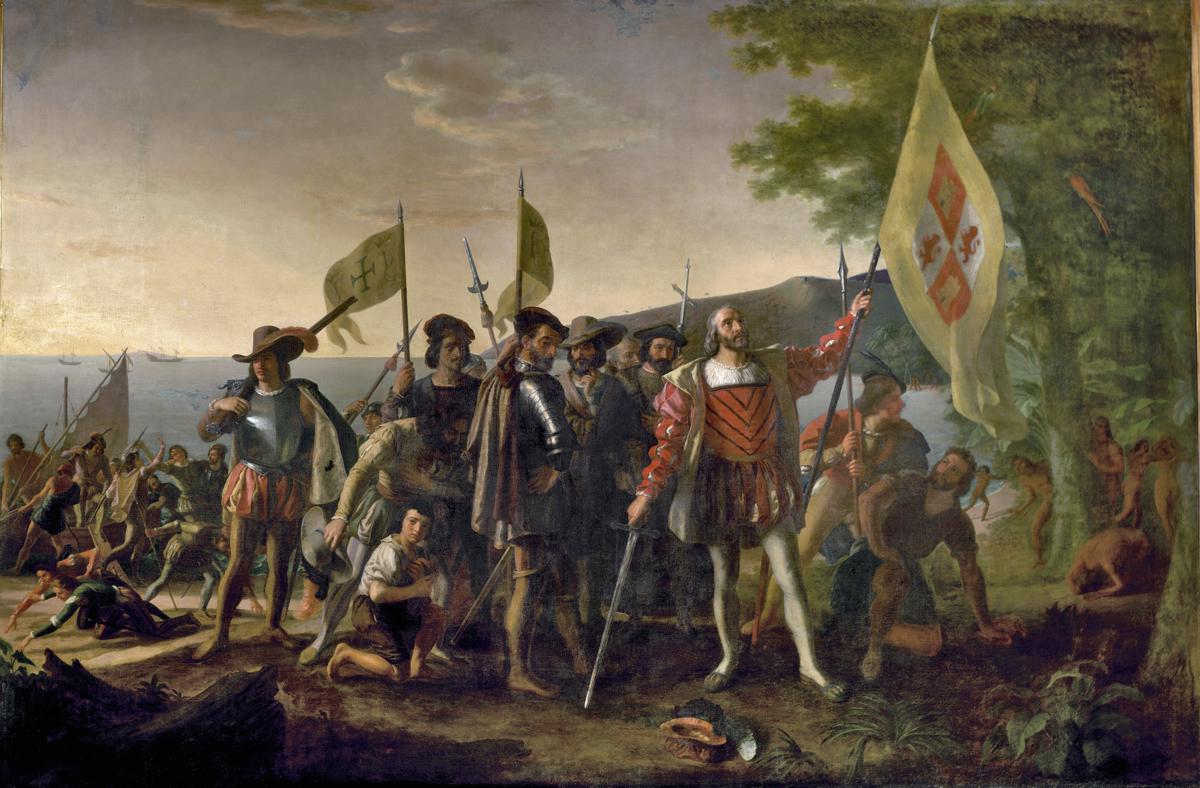
In the vast chessboard of history, few processes have been as misunderstood and shrouded in myth as the arrival of Europe in the Americas. For us, citizens of War Era—who understand strategy, expansion, and nation-building—it is vital to analyze the difference between a Generator Empire and a Predatory Empire.
Today, we are going to break the "Black Legend" and put on the table a truth that Anglo-Saxon textbooks often omit: while Spain was building an integrated civilization, others were merely occupying a territory.
1. Provinces, Not Colonies: The Concept of Empire
The first major difference lies in the political conception. From the will of Queen Isabella the Catholic, the American territories were not considered commercial factories or exploitation colonies, but Overseas Kingdoms on equal footing with Castile or Aragon.
Spain replicated its administrative, judicial, and social structure in the New World. It did not seek the extermination of the "other," but their incorporation into Christendom and the Crown. England, on the contrary, applied the model of the "moving frontier": the native was not a subject; he was an obstacle to be displaced westward to make room for colonial settlements.
2. Mestizaje: A Biological and Cultural Victory
If you want to know which empire was more humane, you only need to look at the faces of the people today.
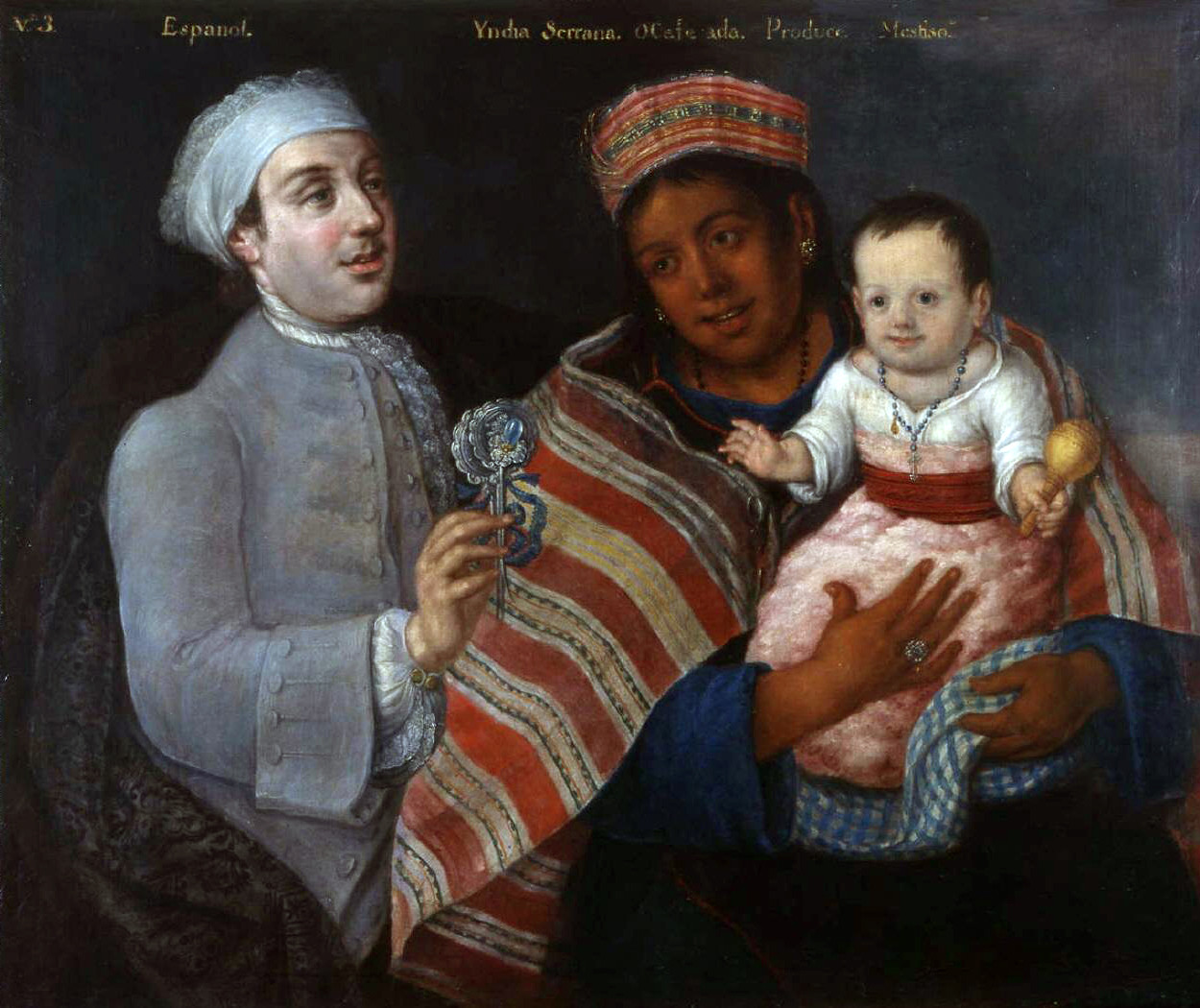
In Hispanic America: Mestizaje (miscegenation) was the norm. As early as 1514, King Ferdinand legalized marriages between Spaniards and indigenous people. Spain created a new race, a cultural synthesis that shines today from Mexico to Patagonia.
In English America: Contact was minimal and segregated. English Puritanism viewed the mixing of blood with horror. The result? Native populations in the North were confined to reservations or eliminated, while in the South, the indigenous and mestizo presence is the very foundation of society.
3. Universities vs. Trading Posts
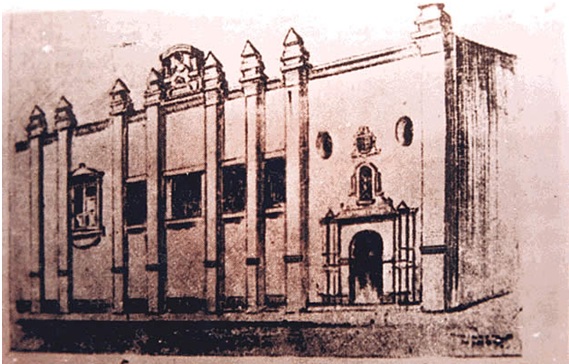
An empire that wants to exploit does not educate. An empire that wants to civilize builds classrooms. Spain founded the University of San Marcos in Lima (1551) and the Royal and Pontifical University of Mexico (1551) just decades after the conquest. By the time Harvard was founded (1636), Spain already had a network of higher learning centers across the continent, teaching law, theology, medicine, and indigenous languages.
To this, we must add the network of hospitals (free for both Indians and Spaniards), cathedrals, and cities laid out with Renaissance urbanism that are today World Heritage sites. England did not build cities; it built ports for the export of raw materials.
4. The Law of Nations: The School of Salamanca
It is essential to remember that Spain was the only empire that stopped itself to reflect on whether its actions were just. The Junta de Valladolid and figures like Francisco de Vitoria or Bartolomé de las Casas gave birth to what we now know as Human Rights.
The Laws of the Indies were the most advanced legislative body of their time, protecting the property rights of the natives and prohibiting their slavery (considering them free vassals). Were there abuses? Yes, as in any human endeavor, but the Spanish State prosecuted them legally. In the English model, abuse was the official policy of expansion.
5. Economy and Trade
We are often told that Spain "stole the gold." However, the Quinto Real (the 20% tax for the Crown) was the only thing that left for the peninsula. The remaining 80% of the wealth stayed in America, financing the maintenance of the viceroyalties, defense fleets, administration, and the infrastructures mentioned before. America was, in many ways, more prosperous and wealthier than European Spain itself during the 17th and 18th centuries.
Conclusion: The Mirror of History
When confronting both models, the conclusion is clear. Spain did not go to America to "have" colonies, but to "be" America. The Spanish footprint is a language shared by 600 million people, a common faith, and a vibrant culture that did not deny its pre-Hispanic roots but fused them into something new.
In War Era, where we fight for the prestige and glory of our nations, we must honor historical truth. The Spanish model was one of integration and civilization; the English, one of exclusion and extraction.
If you enjoyed this analysis and want more articles on historical geopolitics, don't forget to leave a tip and subscribe to the newspaper! Every coin helps to keep spreading the history that others want to hide.