🚨 WAR NEWS | ALASKA SOLD IN STRATEGIC TRANSFER 🚨
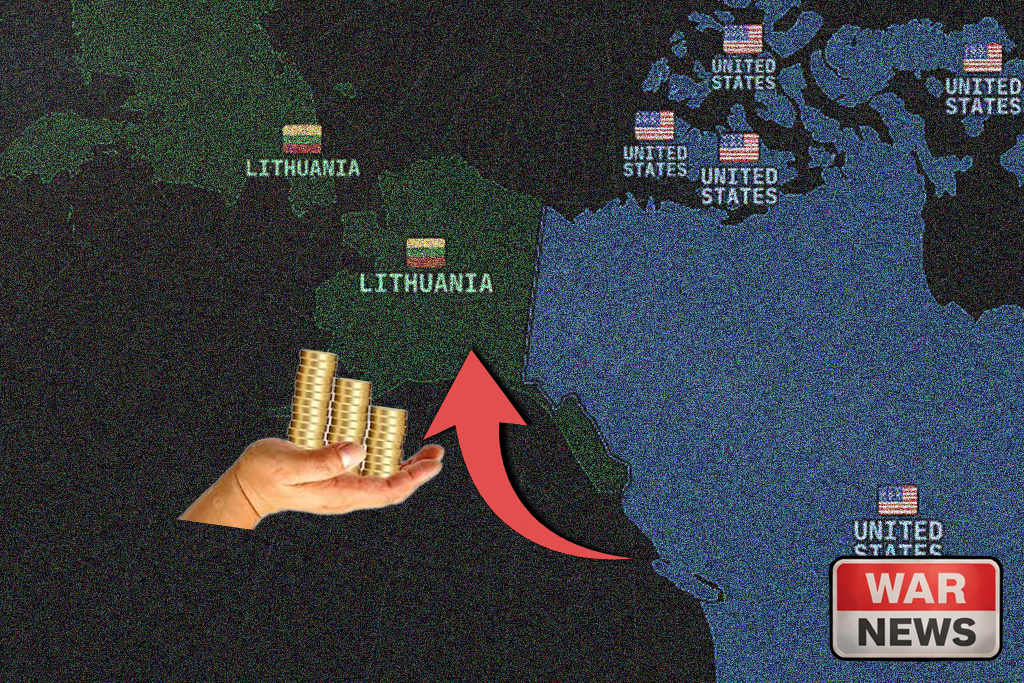
Lithuania has acquired Alaska from the United States, a quiet but far-reaching transaction that is already reshaping the strategic map. The deal hands Vilnius control over a vast northern territory long seen as a geopolitical buffer, now repositioned under a state with deep continental reach and growing global ambitions.
Lithuania enters the acquisition with notable capacity. Its active population stands at 129, development exceeds 163, and weekly damage output tops 22 million, backed by a 20.5 percent production bonus. The government led by President Beitsas, with Vice President Ern16, Defense Minister RytisT, Economy Minister Babun, and Foreign Affairs Minister Deci, has framed the move as a long-term strategic investment rather than a short-term gain.
Alaska’s transfer places Lithuania directly across North America, while also linking it to regions shaped by former Russian and Mongolian influence. With Lithuania already spanning much of northern Eurasia and maintaining a strong Asian footprint, the acquisition tightens a transcontinental arc that could alter trade routes, military posture, and diplomatic leverage. For Washington, the sale raises questions about retrenchment and resource prioritization as pressure mounts elsewhere.
The broader implication is hard to ignore. Does this signal Lithuania’s emergence as a true cross-continental power, and has the United States just ceded a key piece of strategic depth in exchange for short-term relief?
Your subscriptions and tips directly fund further independent journalism. Thank you.