When Politics Logs In: How WarEra Mirrors Real Geopolitics
"அழிவதூஉம் ஆவதூஉம் ஆகி வழிபயக்கும்
ஊதியமும் சூழ்ந்து செயல்."
Thirukkural 467
"Think before acting; consider what may be gained, what may be lost, and what consequences may follow."
For centuries, this advice was meant for kings, ministers, and governments.
When we hear the word geopolitics, we usually think of world leaders discussing borders, alliances, resources, and conflicts. Gaming communities seem far from that world. One is reality, while the other is just a game.
But after spending time in WarEra, we start noticing something interesting.
WarEra begins with a world we already recognize.
The same continents.
The same countries.
Yet once players enter, history begins writing itself.
Resources Create Influence
When people think about geopolitics, they often think about armies and wars.
But resources quietly influence many political decisions.
A country does not simply look at land and ask:
"How large is it?"
It asks:
"What strategic value does it provide?"
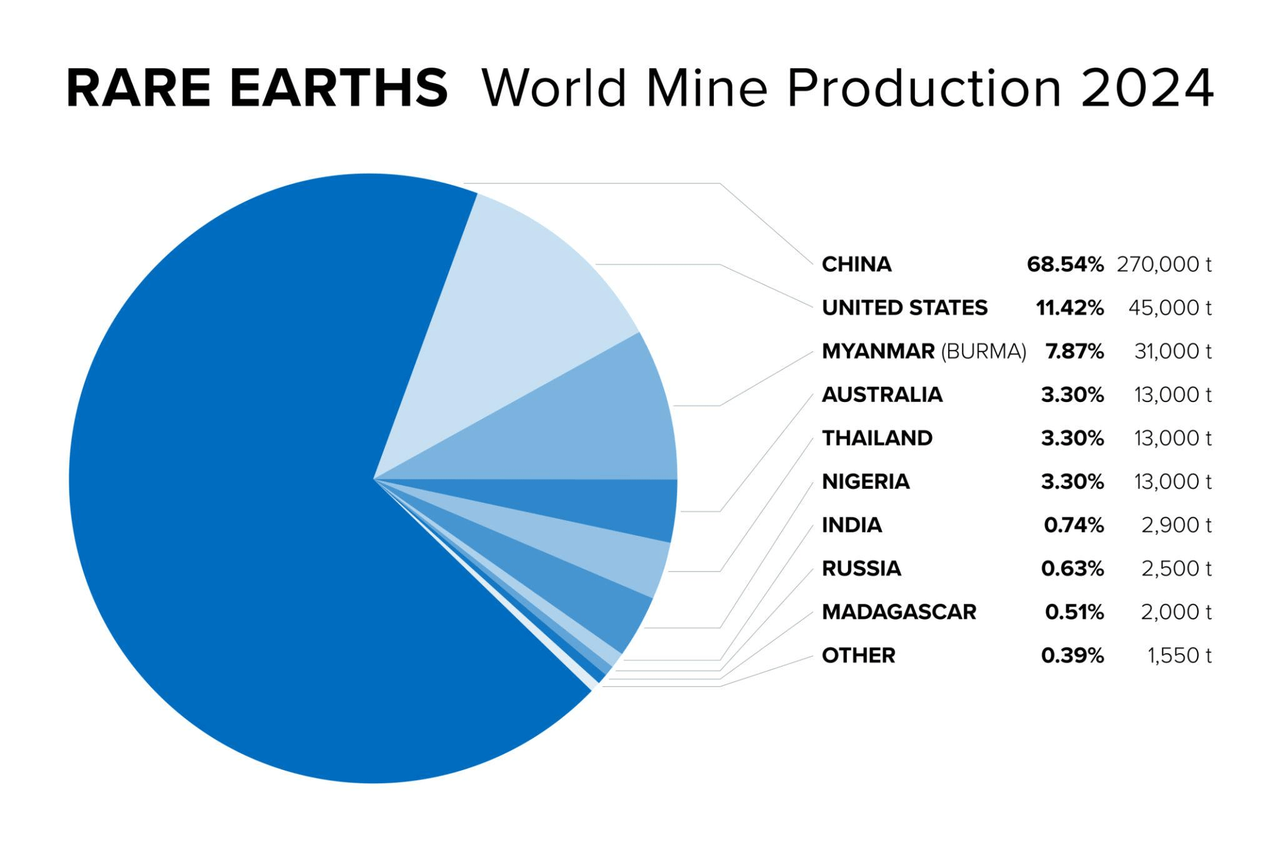
China is one of the clearest examples of this. Over the years, it built major influence around rare-earth elements and critical mineral supply chains. These materials are important for electronics, batteries, industries, and modern technology.
Its influence was not built only through military strength or territorial expansion. Resources themselves became a strategic advantage
A country does not need to control the entire world to have influence.
Sometimes controlling resources is enough.
WarEra creates a similar situation through Strategic Resources.
Each country contains Strategic Resource regions: Uranium, Lithium, Gold, Diamond, Coal, and Rare Earths.
Individually they provide production bonuses, but collecting different resources creates much larger advantages over time.
A region stops being just land on a map.
It becomes production power.
It becomes influence.
Players are no longer thinking:
"How much land can we take?"
Instead they think:
"How much value does that region create?"
India is an interesting example inside WarEra because of the concentration of Strategic Resources under its control and the production advantages they provide.

Just like in real-world geopolitics, resources do not only create wealth.
They create influence.
And influence often creates politics.
Alliances and Mutual Benefits
Alliances in geopolitics are rarely built on friendship alone.
WarEra follows a similar pattern. As power shifts and situations change, alliances change too.
Strategic Resources create another interesting dynamic.
Smaller regions may possess valuable SRs but lack the strength to defend them. Instead of entering direct conflict, they may rent or share those regions in exchange for protection or coins.
One side gains security.
The other gains strategic value a simple piece of land becomes more than territory, it becomes politics.
And perhaps this brings us back to the Thirukkural:
"அழிவதூஉம் ஆவதூஉம் ஆகி வழிபயக்கும்
ஊதியமும் சூழ்ந்து செயல்."
Whether it is a country securing critical resources, forming alliances, or protecting strategic interests, every move involves balancing gains, losses, and consequences.
WarEra may be virtual, but the political moves within it feel surprisingly familiar.
The map may already exist.
But history?
We write it ourselves.
Thank you for reading.
Have you seen similar political patterns inside WarEra