World Ocean Day: Of Turtles - Malacca Straits Times
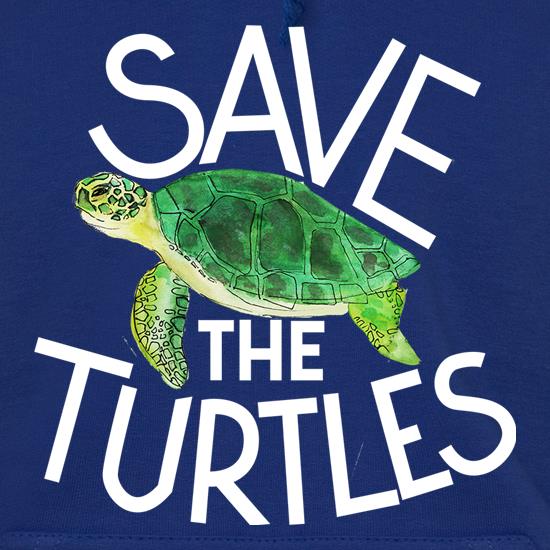
In conjunction with World Ocean Day (8 June) yesterday as well as a belated World Turtle Day (23 May), we would like to bring your attention to the following slogan, which has been parroted time and time again until already seemingly stale, yet the message remains very relevant and important till this day:
Malaysia's shores and islands play host to 4 out of 7 of the world's sea turtle species:
Hawksbill Turtle
Leatherback Turtle
Olive Ridley Turtle
Green Turtle
Of the 4 species above, the Hawksbill Turtle was last listed as Critically Endangered by the ICUN, while the Leatherback and Olive Ridley Turtles are listed as Vulnerable.
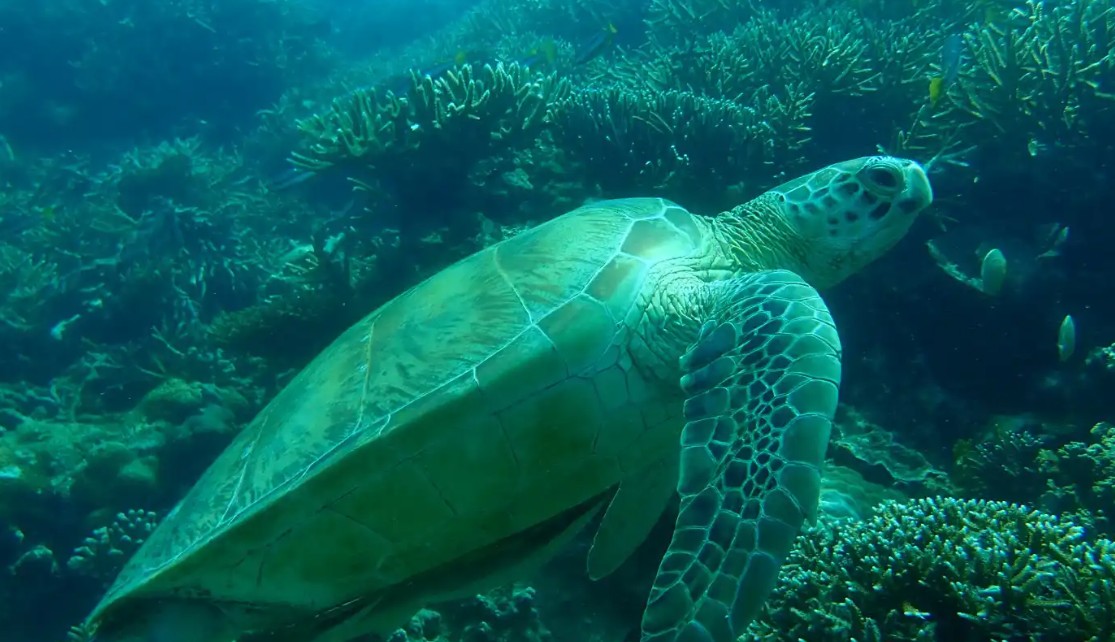
The Green Turtle was previously listed as Endangered but had recently improved to Least Concern in 2024 after tireless conservation efforts being carried out worldwide, Malaysia included. However, the species may return to Endangered status in the future, as some sub-species remain threatened in places such as Costa Rica and Hawaii.
As an ethical and environmental tourism highlight, you can visit the following places in Malaysia to catch a view of as well as learning further about these laidback and deceptively slow (spoiler: they aren't) creatures:
Pulau Redang & Pulau Perhentian, Terengganu
Cherating Turtle Sanctuary, Cherating https://app.warera.io/region/683ddd3e36dbc90b7804750a
Juara Turtle Project, Pulau Tioman https://app.warera.io/region/683ddd3e36dbc90b7804750a
Pulau Selingan & Pulau Mabul, https://app.warera.io/region/683ddd3e36dbc90b7804750d
To take note:
Nesting seasons - April to September
Hatchling releases - June to November
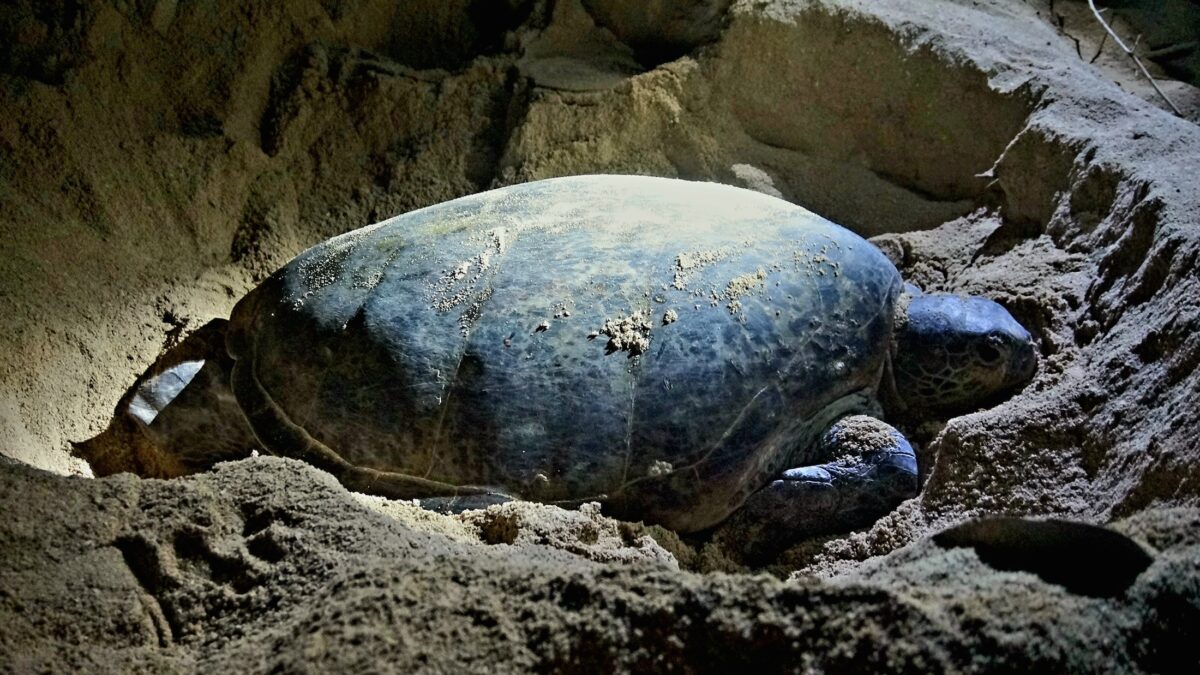
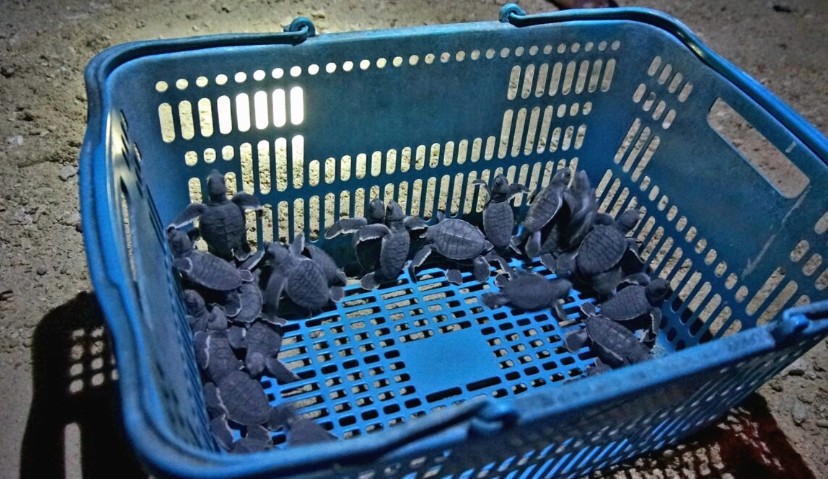
- Pictured, conservation efforts for turtles alongside ecotourism at Pulau Selingan
The leading causes of decline in populations include:
Habitat loss, due to uncontrolled development in coastal areas
Poaching, with high demand for their meat, eggs, skin, shells
Unethical and uncontrolled fishing; thousands of turtles are caught unintentionally in fishing nets every year
Vessel strikes; becoming ocean roadkill under heavy ship traffic in their own coastal habitats and migration corridors
Climate change, global warming:
rising sea levels, causing nesting sites to be flooded or washed out
warming sand temperatures, creating an imbalance in sex ratios (more females)
change in ocean currents, disrupting migration patterns and hatching seasons
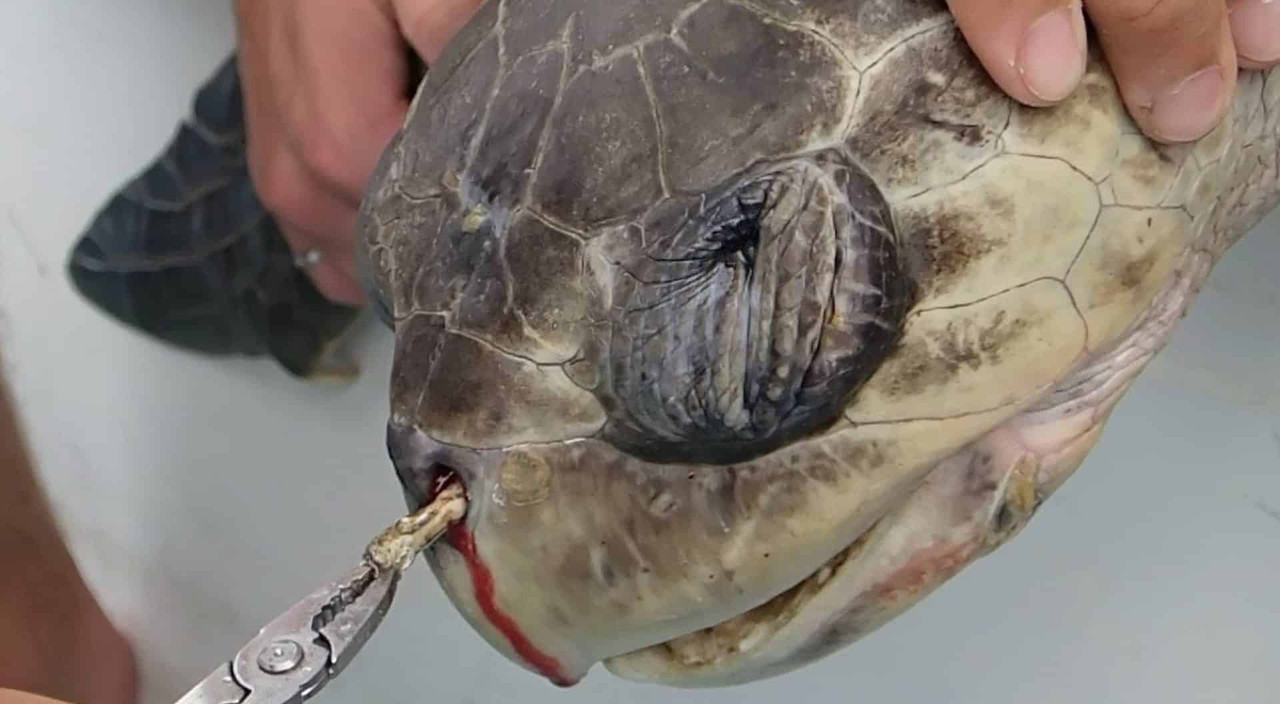
POLLUTION; I don't think I need to elaborate on this.
So, what does this mean for you? Since all the big corpos are killing the turtles anyway, your plastic straws and 6-pack rings and other trash don't matter? Well maybe? Maybe, we will only start to care when this happens to our children?
- Cws1996, sub-writer for the Malacca Straits Times