VE Day 9 - Facts about the World
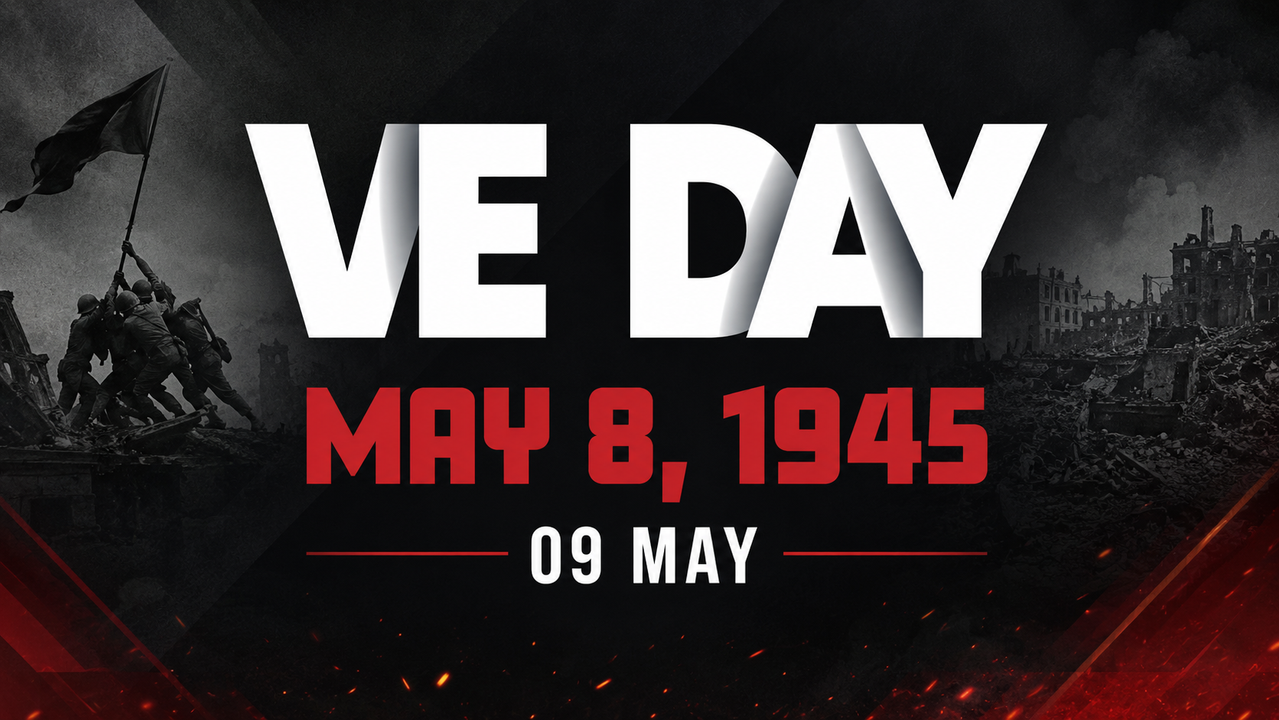
Eighty years after the end of the Second World War, the smoke of conflict still remains alive in humanity’s memory. No matter how many decades pass, war continues to be remembered through monuments, the memories of descendants from destroyed families, forgotten soldiers, and flags raised in the name of a nation’s survival. Victory Day, celebrated in Russia at Red Square and across various parts of Europe, does not represent merely a military demonstration or a display of power. It represents memory. It represents resistance. It represents the price paid by millions so that the world would not be consumed by absolute destruction.
The Russian people transformed May 9th into a national landmark precisely because the former Soviet Union suffered one of the greatest human losses of the Second World War. Cities were destroyed, families were separated, and generations were marked by pain. The celebration of Victory Day goes beyond patriotism: it is an attempt to keep alive the memory of those who fell against the Nazi advance.
Across many regions of Europe, the date also carries deep significance. Nations commemorate the end of one of the darkest periods in modern history, when totalitarian regimes, ethnic persecution, and large-scale wars plunged the European continent into suffering. The so-called “Victory in Europe Day,” known as VE Day, became a symbol of the end of a cycle of destruction and the beginning of Europe’s reconstruction.
It is impossible to speak about Victory Day without understanding that war leaves scars. Monuments are erected, anthems are sung, and parades are broadcast on television, yet no celebration can completely erase the horrors faced by those who lived through the conflict. Perhaps this is why such ceremonies are so grand: because humanity fears forgetting. And to forget would be to allow the same mistakes to return under new names, new flags, and new justifications.
Victory Day also encourages reflection on sovereignty, national unity, and the duty to protect one’s homeland without abandoning humanity itself. Thus, both in Red Square and in European public squares, Victory Day commemorations remain a historical reminder — not only of a nation’s military strength, but of the resilience of peoples who survived chaos. A collective memory carried through time to remind us that, regardless of differences between cultures and borders, peace remains one of the greatest victories humanity can achieve.
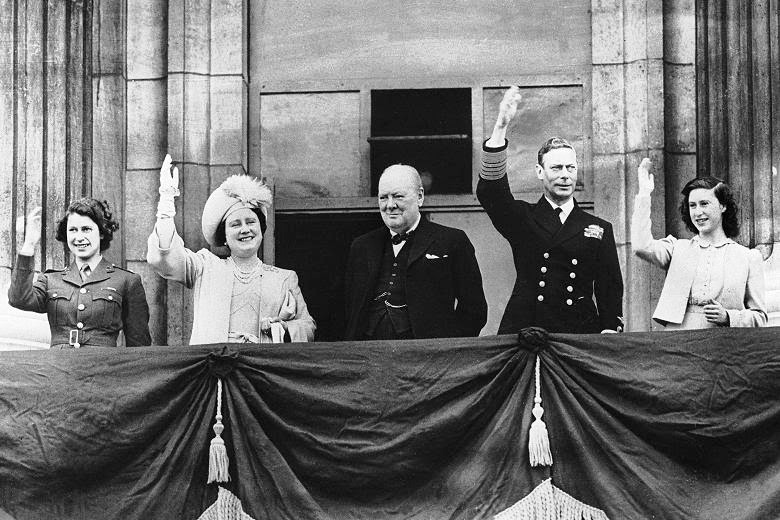
Спустя восемьдесят лет после окончания Второй мировой войны дым конфликтов всё ещё живёт в памяти человечества. Сколько бы десятилетий ни прошло, война продолжает жить в памятниках, в воспоминаниях потомков разрушенных семей, в забытых солдатах и в знамёнах, поднятых во имя выживания нации. День Победы, отмечаемый в России на Красной площади и во многих частях Европы, представляет собой не только военную демонстрацию или парад силы. Это память. Это сопротивление. Это цена, которую заплатили миллионы людей, чтобы мир не был поглощён абсолютным разрушением.
Русский народ превратил 9 Мая в национальный символ именно потому, что тогдашний Советский Союз понёс одни из самых тяжёлых человеческих потерь во Второй мировой войне. Были разрушены города, разделены семьи, а целые поколения оказались отмечены болью. Празднование Дня Победы выходит далеко за рамки патриотизма: это попытка сохранить память о тех, кто пал перед лицом нацистского наступления.
Во многих регионах Европы эта дата также имеет глубокое значение. Страны отмечают окончание одного из самых мрачных периодов современной истории, когда тоталитарные режимы, этнические преследования и масштабные войны погрузили европейский континент в страдания. Так называемый “День Победы в Европе”, известный как VE Day, стал символом завершения цикла разрушения и начала восстановления Европы.
Невозможно говорить о Дне Победы, не понимая, что война оставляет шрамы. Возводятся памятники, звучат гимны, по телевидению транслируются парады, но ни одно празднование не способно полностью стереть ужасы, пережитые теми, кто прошёл через этот конфликт. Возможно, именно поэтому подобные церемонии столь масштабны: потому что человечество боится забыть. А забыть — значит позволить тем же ошибкам вернуться под новыми именами, новыми флагами и новыми оправданиями.
День Победы заставляет задуматься о суверенитете, национальном единстве и долге защищать свою родину, не теряя человечности. Поэтому как на Красной площади, так и на европейских площадях празднование Дня Победы остаётся историческим напоминанием — не только о военной силе нации, но и о стойкости народов, переживших хаос. Это коллективная память, проходящая сквозь время, чтобы напомнить: независимо от различий между культурами и границами, мир остаётся одной из величайших побед, которых может достичь человечество.
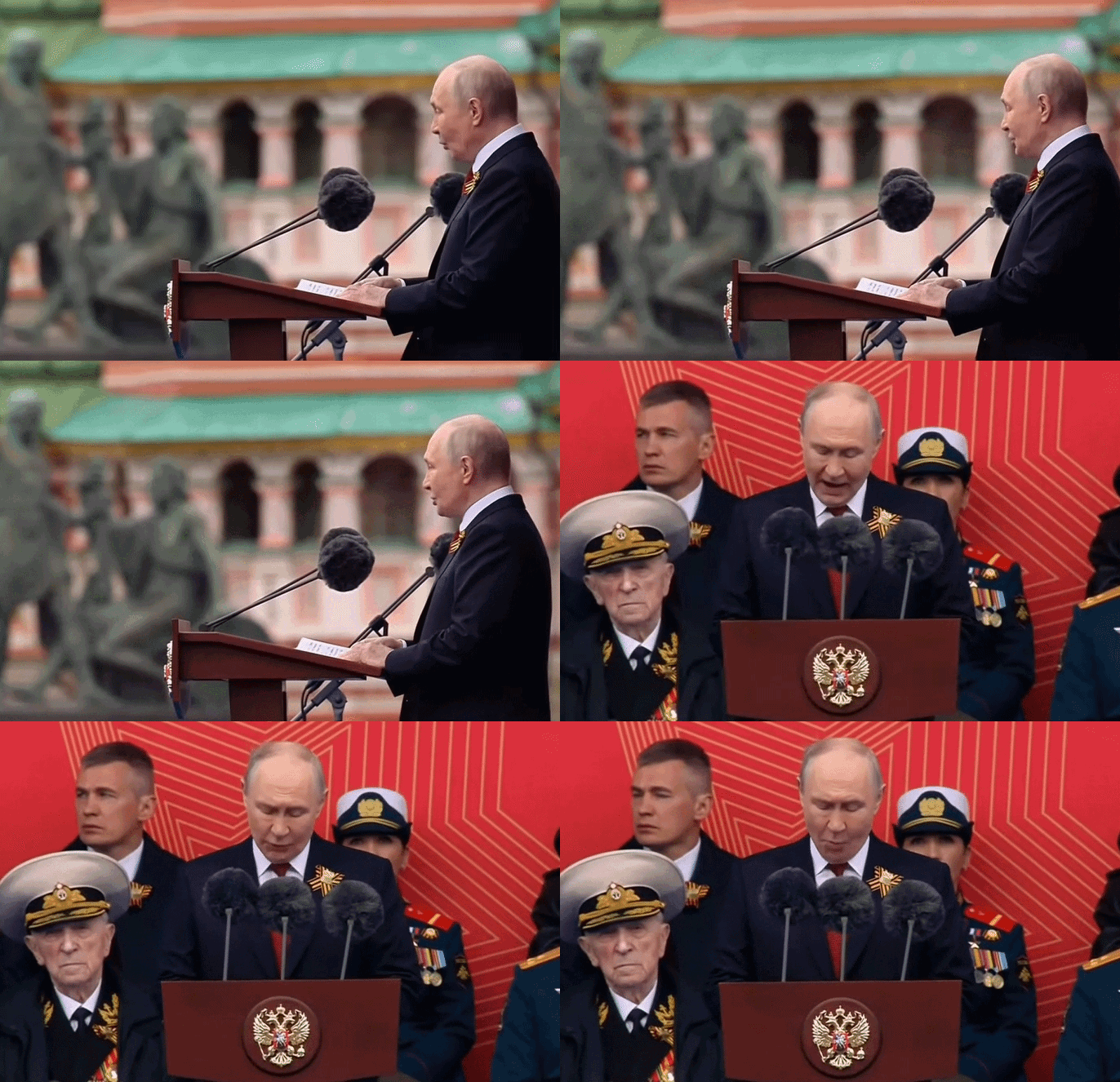
Oitenta anos após o fim da Segunda Grande Guerra, e fumaça dos conflitos ainda permanece viva na memória da humanidade. Não importa quantas décadas se passem, a guerra continua lembrada entre monumentos, memórias de descentes de famílias destruídas, soldados esquecidos e bandeiras erguidas em nome da sobrevivência de uma nação. O Dia da Vitória, celebrado na Rússia na Praça Vermelha e em diversas partes da Europa, não representa apenas uma demonstração militar ou um desfile de poder. Representa memória. Representa resistência. Representa o preço pago por milhões para que o mundo não fosse consumido pela destruição absoluta.
O povo russo transformou o 9 de Maio em um marco nacional justamente porque a então União Soviética sofreu uma das maiores perdas humanas da Segunda Guerra Mundial. Foram cidades destruídas, famílias separadas e gerações marcadas pela dor. A comemoração do Dia da Vitória está além de patriotismo: é uma tentativa de manter viva a lembrança daqueles que tombaram diante do avanço nazista.
Em diversas regiões da Europa, a data carrega profundo significado. Países celebram o fim de um dos períodos mais sombrios da história moderna, quando regimes totalitários, perseguições étnicas e guerras em larga escala mergulharam o continente europeu em sofrimento. O chamado “Victory in Europe Day”, conhecido como VE Day, tornou-se símbolo do encerramento de um ciclo de destruição e do início da reconstrução europeia.
É impossível falar sobre o Dia da Vitória sem compreender que a guerra deixa marcas. Monumentos são erguidos, hinos são cantados e desfiles são televisionados, mas nenhuma celebração apaga completamente os horrores enfrentados por aqueles que viveram o conflito. Talvez por isso tais cerimônias sejam tão grandiosas: porque a humanidade teme esquecer. E esquecer seria permitir que os mesmos erros retornassem com novos nomes, novas bandeiras e novas justificativas.
O Dia da Vitória faz refletir sobre soberania, união nacional e o dever de proteger uma pátria sem abandonar a humanidade. Assim, tanto na Praça Vermelha quanto nas praças europeias, as comemorações do Dia da Vitória permanecem como um lembrete histórico. Não apenas da força militar de uma nação, mas da resistência de povos que sobreviveram ao caos. Uma memória coletiva através do tempo para dizer que, independentemente das diferenças entre culturas e fronteiras, a paz continua sendo uma das maiores vitórias que a humanidade pode alcançar.
Autor: Braboss.
12h10 - May 09/2026
The information presented above is intended solely to report world events and does not reflect the author’s personal opinions or views.
Вышеизложенная информация предназначена исключительно для освещения мировых событий и не отражает личного мнения или взглядов автора.